Hong Kong's Surplus: A Call for Sustainable Financial Practices
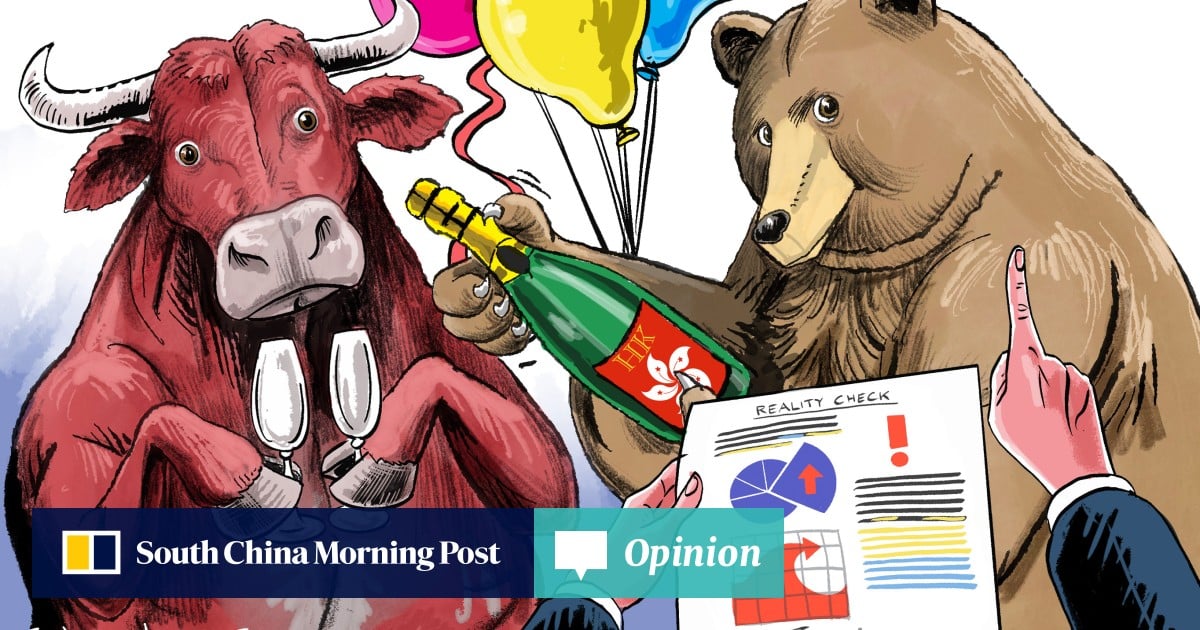
As Hong Kong celebrates its recent budget surplus, experts urge the government to focus on sustainable financial practices. The need for long-term planning and investment in public services is more crucial than ever.
Hong Kong's Financial Triumph
Hong Kong has recently announced a budget surplus, a significant achievement for the city as it navigates the post-pandemic economic landscape. The surplus, amounting to billions of dollars, has sparked celebrations among officials and the public alike, showcasing the resilience of the territory's economy. However, amidst the jubilation, experts are cautioning against complacency, emphasizing the importance of sustainable financial practices to ensure long-term stability.
The Importance of Sustainability
While the surplus is a positive indicator, it is essential for the Hong Kong government to focus on how to sustain this financial health in the years to come. Economists argue that the surplus should not merely be seen as a windfall but rather as an opportunity to invest in critical areas that will bolster the economy in the future. This includes enhancing public services, improving infrastructure, and addressing social issues that have been exacerbated by the pandemic.
Investing in Public Services
One of the most pressing areas for investment is public services. The pandemic has highlighted significant gaps in healthcare, education, and social welfare systems. With the surplus, the government has a unique chance to enhance these services, ensuring that they are robust enough to handle future crises. Experts suggest that a portion of the surplus should be allocated to healthcare improvements, including mental health services, which have seen a surge in demand.
Infrastructure Development
Infrastructure is another critical area where the surplus can be effectively utilized. Hong Kong's aging infrastructure requires substantial investment to meet the demands of a growing population and to support economic activities. By channeling funds into infrastructure projects, the government can stimulate job creation and foster economic growth, while simultaneously improving the quality of life for residents.
Addressing Social Inequality
Moreover, the surplus presents an opportunity to tackle social inequality, which has been a persistent issue in Hong Kong. The gap between the rich and the poor has widened, and the pandemic has only exacerbated these disparities. Experts recommend using part of the surplus to implement social programs aimed at supporting low-income families and vulnerable groups, thereby promoting a more equitable society.
Long-Term Fiscal Planning
Beyond immediate investments, experts emphasize the need for long-term fiscal planning. The government should develop a comprehensive strategy that outlines how to manage its finances sustainably. This includes setting aside reserves for future economic downturns, diversifying revenue sources, and ensuring that fiscal policies are adaptable to changing economic conditions.
Conclusion: A Balanced Approach
As Hong Kong celebrates its budget surplus, the focus must shift towards creating a balanced approach to financial management. The surplus should not be viewed as a one-time achievement but rather as a stepping stone towards a more sustainable economic future. By investing in public services, infrastructure, and social equity, the government can ensure that Hong Kong remains resilient in the face of future challenges, ultimately benefiting all its residents.