Hong Kong's Struggle for Democracy: A Year After the National Security Law
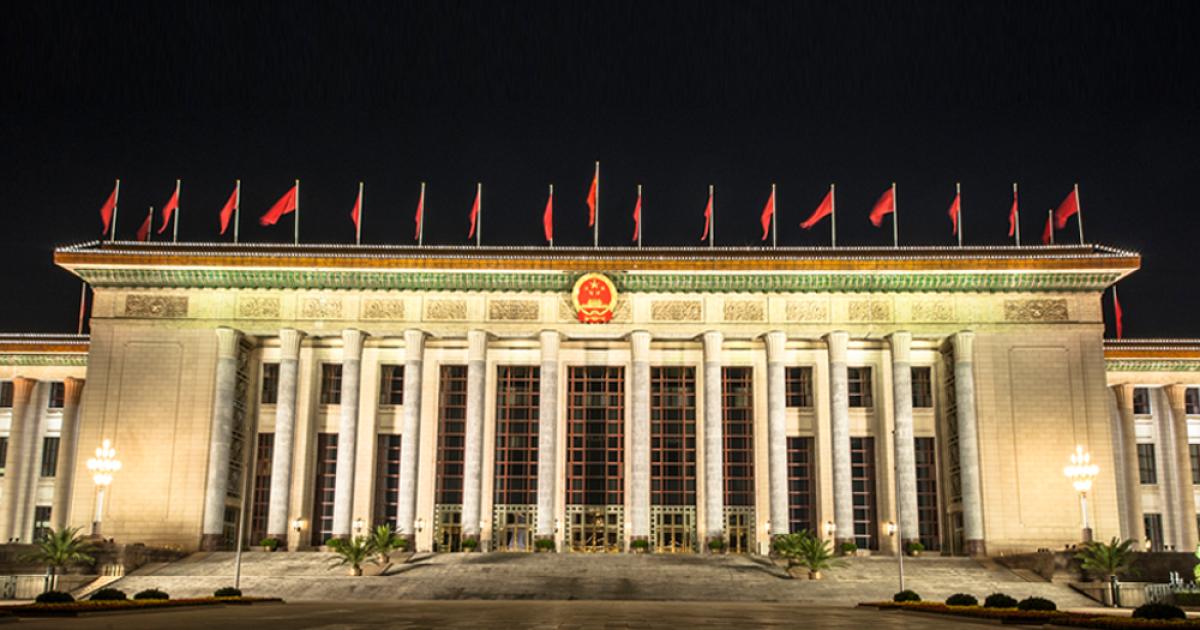
As Hong Kong marks a year since the implementation of the controversial National Security Law, the city grapples with the implications for its democratic aspirations. Activists and citizens reflect on the changes and the fight for freedom in a rapidly transforming landscape.
Introduction
One year has passed since the Chinese government enacted the National Security Law (NSL) in Hong Kong, a move that has profoundly altered the city's political landscape. Initially intended to curb dissent, the law has instead sparked a renewed commitment among activists to fight for democratic freedoms, even as the risk of severe repercussions looms large.
The Impact of the National Security Law
Implemented on June 30, 2020, the NSL criminalizes acts of secession, subversion, terrorism, and collusion with foreign forces. Since its enactment, more than 100 individuals have been arrested, including prominent pro-democracy figures and activists. The law has effectively silenced dissent, with many civil society organizations disbanding under pressure, and media outlets facing stringent restrictions.
Voices from the Ground
Despite the oppressive atmosphere, many residents remain undeterred. Activist groups continue to organize underground meetings, and social media platforms have become vital tools for sharing information and mobilizing support. "We cannot let fear dictate our actions," says a young activist who wishes to remain anonymous. "Our fight for democracy is far from over; it has only just begun."
International Response
The international community has responded with a mix of condemnation and support. Countries like the United States and the United Kingdom have imposed sanctions on Hong Kong officials, citing human rights violations. Meanwhile, global organizations such as Amnesty International have called for the immediate repeal of the NSL, labeling it a tool of oppression. However, the Chinese government has dismissed these criticisms, asserting that the law is essential for national security.
Economic Ramifications
The law's implications extend beyond politics; they also impact Hong Kong's economy. Once a thriving hub for international business, the city now faces challenges as companies reconsider their presence due to concerns over stability and transparency. A recent survey revealed that nearly 40% of businesses are contemplating relocating their operations elsewhere, fearing the long-term consequences of the NSL.
Future Prospects
As Hong Kong navigates this turbulent period, questions about its future remain. Will the spirit of resistance continue to flourish despite the risks? Or will the weight of the NSL extinguish the aspirations for a more democratic society? Activists emphasize the importance of solidarity and resilience. "We must remember that history is on our side. The fight for freedom is universal, and we will not give up," states another activist.
Conclusion
As the anniversary of the National Security Law approaches, Hong Kong stands at a crossroads. The struggle for democracy continues, fueled by the courage of its citizens. While the path ahead is fraught with challenges, the commitment to freedom and justice remains unwavering in the hearts of many. The world watches as Hong Kong's narrative unfolds, a testament to the enduring human spirit in the face of adversity.