Hong Kong's Struggle for Autonomy Amidst Rising Tensions
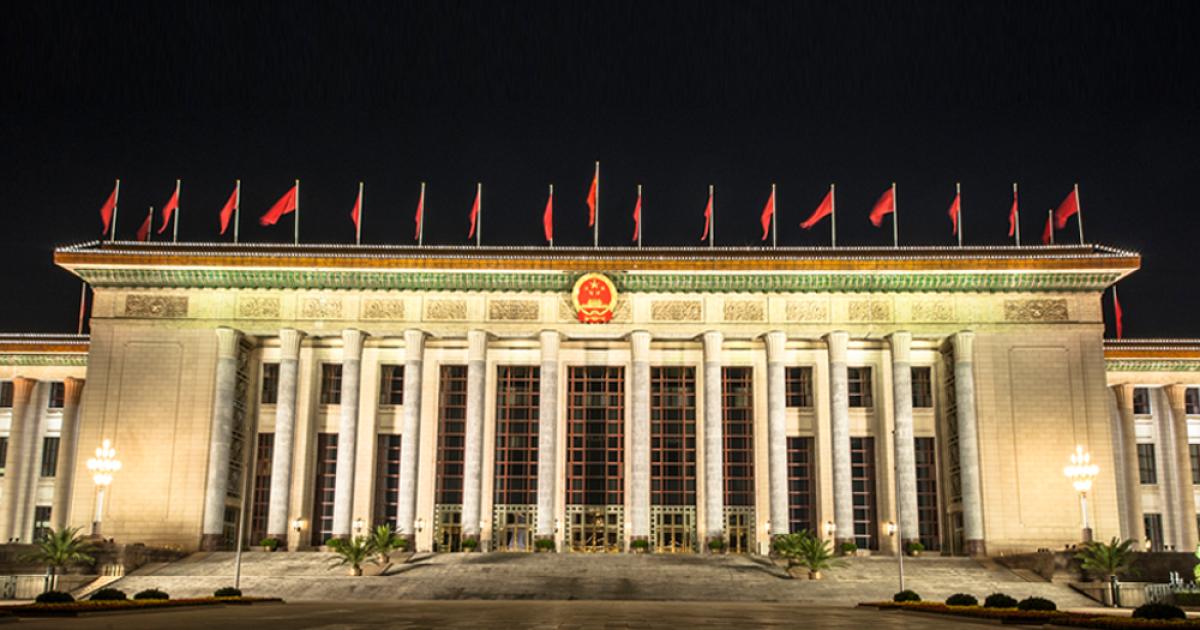
As Hong Kong grapples with its identity and autonomy, the implications of recent protests and government actions continue to unfold. This report delves into the socio-political landscape of the region and the international response to its challenges.
Introduction
Hong Kong, a city known for its vibrant culture and unique blend of Eastern and Western influences, is currently navigating a turbulent political landscape. The struggle for autonomy has intensified in recent years, marked by widespread protests and a tightening grip from the Beijing government. This report examines the ongoing tensions, the impact on local citizens, and the international community's response.
The Protests: A Call for Democracy
Since 2019, Hong Kong has witnessed a series of protests advocating for greater democratic freedoms and opposition to perceived encroachments by the Chinese government. The movement gained momentum following the introduction of the controversial extradition bill, which many viewed as a threat to the region's judicial independence. Despite the government's eventual withdrawal of the bill, protests have persisted, evolving into a broader call for democratic reforms.
Government Response and National Security Law
In response to the unrest, the Hong Kong government, backed by Beijing, enacted the National Security Law in June 2020. This legislation criminalizes secession, subversion, terrorism, and collusion with foreign forces. Critics argue that the law has been used to stifle dissent and curtail freedoms, leading to the arrest of numerous activists, journalists, and opposition figures. The chilling effect of this law has raised concerns about the future of civil liberties in the region.
Impact on Society and Economy
The socio-political climate in Hong Kong has had profound implications for its citizens. Many young people, disillusioned by the lack of political representation and the erosion of freedoms, have chosen to emigrate, seeking a more democratic environment. This brain drain poses a challenge for Hong Kong's economy, traditionally a hub for finance and innovation. Businesses are also feeling the effects, with increased scrutiny and pressure leading to a more cautious investment climate.
International Reaction
The international community has responded with a mix of condemnation and support for the pro-democracy movement. Several Western nations, including the United States and the United Kingdom, have criticized China's actions in Hong Kong, imposing sanctions on officials deemed responsible for undermining the region's autonomy. However, the effectiveness of these measures remains debated, as China continues to assert its authority over Hong Kong.
The Future of Hong Kong
As Hong Kong navigates this complex landscape, the future remains uncertain. The resilience of its citizens and their commitment to advocating for democratic values continue to inspire hope amid adversity. However, with the government's firm stance and the international community's limited leverage, the path forward is fraught with challenges. The ongoing struggle for autonomy in Hong Kong serves as a crucial reminder of the importance of democratic freedoms and the lengths to which individuals will go to protect their rights.
Conclusion
Hong Kong's journey is emblematic of a broader global struggle for democracy and human rights. As the city faces increasing pressures from both local authorities and the Chinese government, the resilience of its people will be tested. The international community must continue to advocate for the rights of Hong Kong citizens and support their quest for autonomy and democratic governance.