Hong Kong's Proposal to Empower City Leader in Defining National Security Offenses Sparks Controversy
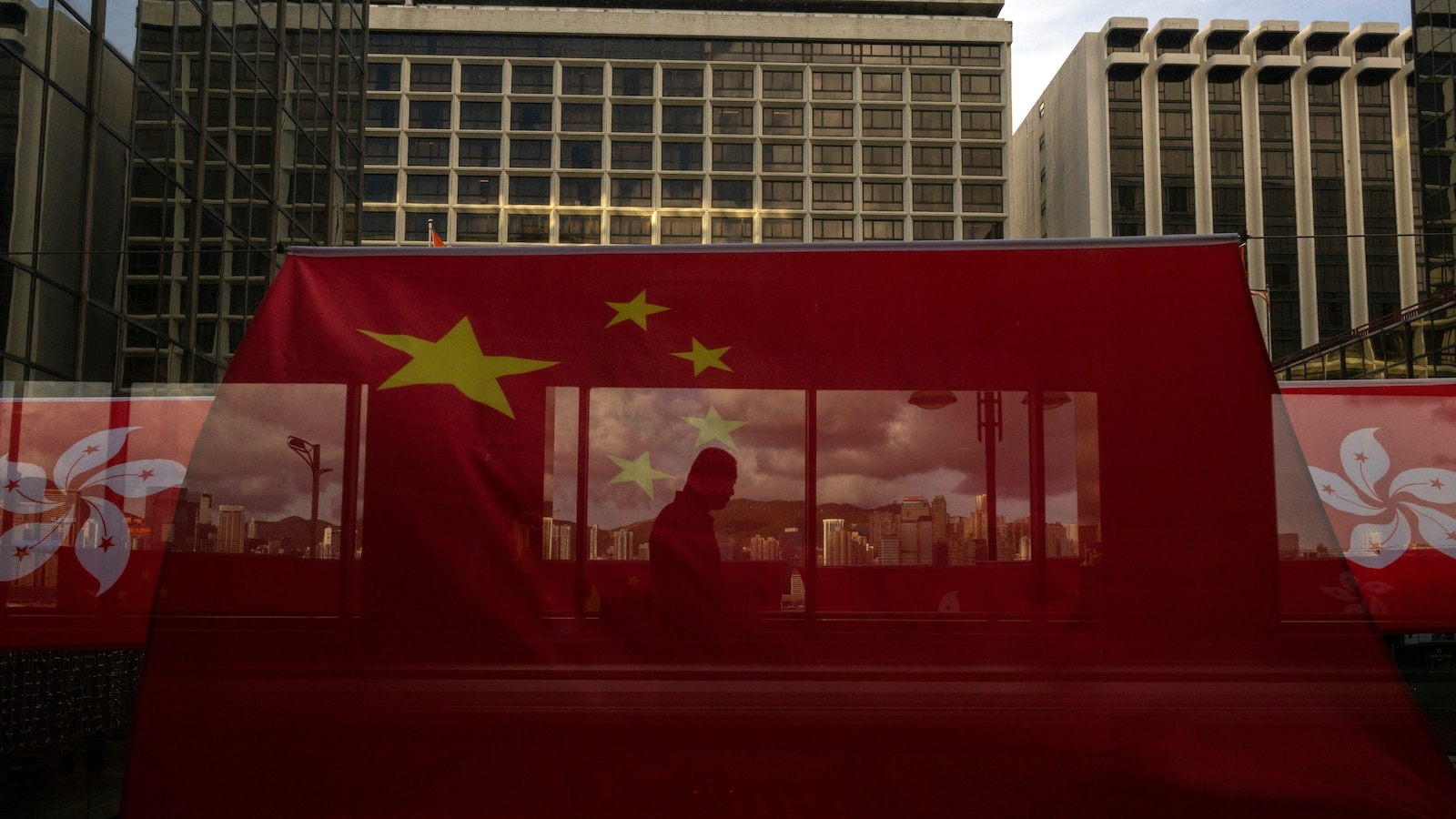
Hong Kong's government has put forth a proposal allowing the Chief Executive to determine what constitutes a national security offense. Critics argue this move could further erode civil liberties and judicial independence in the region.
Introduction
In a move that has raised alarms among human rights advocates and legal experts, the Hong Kong government has proposed a significant change to its national security legislation. The new proposal would empower the Chief Executive to unilaterally decide what constitutes a national security offense, a shift that critics argue could undermine the rule of law and civil liberties in the region.
Details of the Proposal
According to reports from ABC News, the proposal is part of a broader effort by the Hong Kong government to tighten its grip on national security following the 2019 protests that shook the city. Under the proposed changes, the Chief Executive would have the authority to classify offenses without the need for legislative approval, effectively centralizing power in the hands of the city's leader.
This move comes in the wake of the controversial national security law enacted in 2020, which has been criticized for its vague definitions and broad scope, allowing for the prosecution of a wide range of activities deemed threatening to national security. The new proposal appears to build on this framework, potentially expanding the scope of what could be classified as a security offense.
Reactions from the Public and Experts
The proposal has been met with widespread condemnation from civil society groups, legal experts, and opposition politicians. Many fear that granting the Chief Executive such sweeping powers could lead to arbitrary arrests and further stifle dissent in a city that has long prided itself on its freedoms and judicial independence.
“This is a dangerous precedent that could lead to the abuse of power,” said a spokesperson for the Hong Kong Alliance in Support of Patriotic Democratic Movements of China. “It effectively allows the government to label any form of dissent as a national security threat, which could have chilling effects on free speech and assembly.”
Government's Justification
In defense of the proposal, government officials argue that it is necessary to ensure national security in an increasingly volatile geopolitical climate. They claim that empowering the Chief Executive to define offenses will streamline the decision-making process and allow for a more agile response to perceived threats.
“National security is of utmost importance, and we must ensure that our laws are effective in protecting the city,” said a government spokesperson during a press briefing. “This proposal will help us respond more quickly to any potential threats.”
International Implications
The implications of this proposal extend beyond Hong Kong, as it raises questions about the future of the 'one country, two systems' principle that has governed the relationship between Hong Kong and Mainland China since the 1997 handover. International observers have expressed concern that such moves could further alienate Hong Kong from the global community and diminish its status as a financial hub.
Several foreign governments have already voiced their apprehension regarding the erosion of freedoms in Hong Kong. The United States, in particular, has been vocal in its criticism, warning that it may impose further sanctions on individuals involved in undermining the autonomy and freedoms guaranteed to the people of Hong Kong.
Conclusion
As the Hong Kong government moves forward with its proposal, the eyes of the world will be watching closely. The potential ramifications of allowing the Chief Executive to define national security offenses could have lasting effects on the city’s legal landscape, civil liberties, and its relationship with the international community. With public outcry growing, the future of Hong Kong’s autonomy hangs in the balance.