Hong Kong's Political Landscape: The Impact of Xi Jinping's Policies
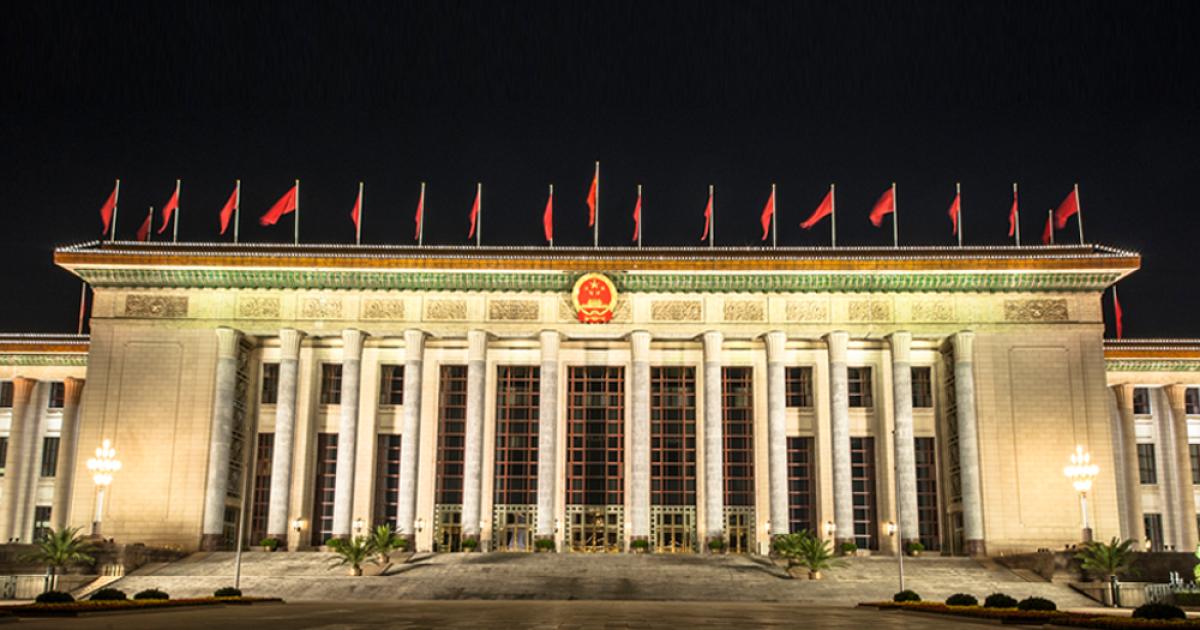
The political landscape in Hong Kong continues to evolve under Xi Jinping's leadership, with significant implications for its autonomy and civil liberties. As tensions rise between pro-democracy activists and the Chinese government, the future of the region remains uncertain.
Introduction
Hong Kong, once a beacon of freedom and economic prosperity, is undergoing a seismic shift under the influence of Xi Jinping's policies. The region, which was promised a high degree of autonomy following its handover from British rule in 1997, is now grappling with increasing control from Beijing, leading to widespread concerns about civil liberties and the future of its political landscape.
The Rise of Authoritarianism
Since Xi Jinping assumed power in 2012, the Chinese Communist Party (CCP) has intensified its grip on Hong Kong. The implementation of the National Security Law in 2020 marked a turning point, criminalizing acts of secession, subversion, and collusion with foreign forces. This law has been widely criticized for stifling dissent and curbing freedoms that were once taken for granted in the semi-autonomous region.
Impact on Civil Liberties
The repercussions of Xi's policies are evident in the suppression of pro-democracy movements. Prominent activists, such as Jimmy Lai, the founder of the Apple Daily newspaper, have been imprisoned, and many opposition figures have fled into exile. The media landscape has also faced significant changes, with numerous outlets shutting down or self-censoring to avoid repercussions from the authorities.
Economic Consequences
Hong Kong's economy, traditionally characterized by its openness and global connectivity, is also feeling the strain of these political changes. The imposition of strict security measures has led to a decline in foreign investment and a growing sense of uncertainty among businesses. Many companies are reevaluating their presence in the region, which could have long-term implications for Hong Kong's status as a financial hub.
International Reactions
The international community has responded with a mix of condemnation and sanctions against Chinese officials deemed responsible for undermining Hong Kong's autonomy. The United States, for instance, has imposed economic sanctions and revoked Hong Kong's special trading status, further straining relations between Washington and Beijing. Meanwhile, countries like Japan have expressed concern over human rights violations, calling for a diplomatic approach to address the crisis.
The Future of Hong Kong
As the political climate continues to evolve, the future of Hong Kong remains uncertain. The ongoing crackdown on dissent raises questions about the region's ability to maintain its unique identity and freedoms. While some residents remain hopeful for a return to a more democratic system, others fear that the CCP's influence will only deepen in the coming years.
Conclusion
In conclusion, Hong Kong's political landscape is at a crossroads, shaped by Xi Jinping's policies and the resulting pushback from both local and international communities. As the situation continues to unfold, the implications for civil liberties, economic stability, and international relations will be closely watched by observers around the world. The resilience of Hong Kong's citizens and their commitment to preserving their rights will be crucial in determining the region's future.