Hong Kong's Landfill Waste Data Gaps Undermine Green Initiatives
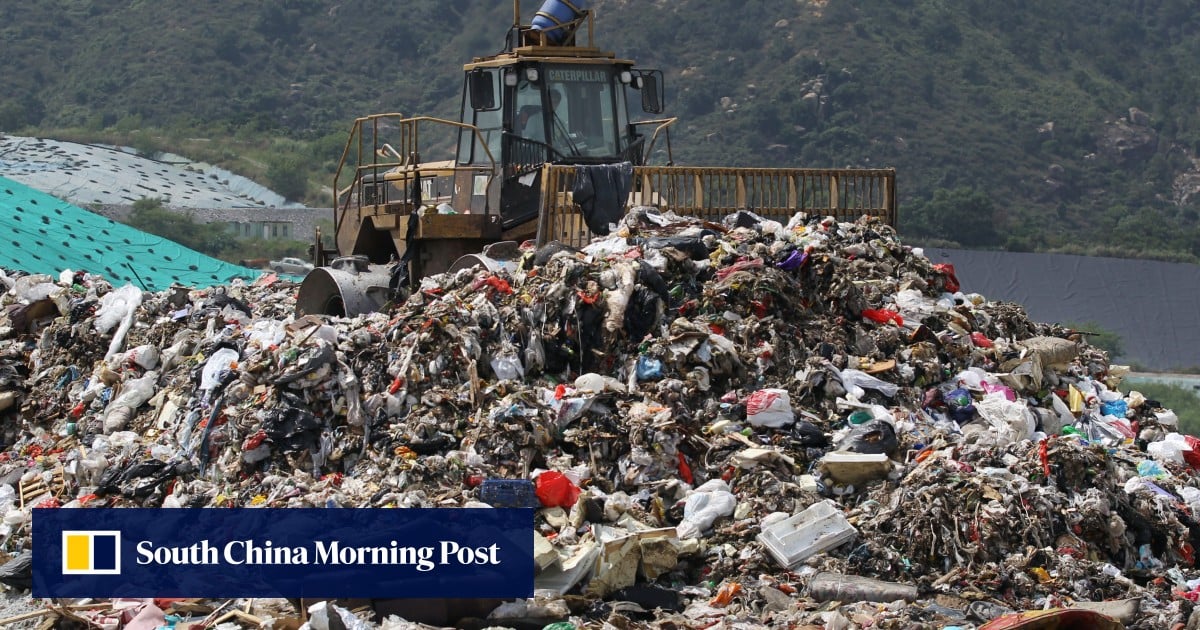
Recent reports reveal significant gaps in Hong Kong's landfill waste data, raising concerns about the effectiveness of the city's green initiatives. Experts argue that without accurate data, sustainable waste management strategies are compromised.
Introduction
Hong Kong, a bustling metropolis known for its skyscrapers and vibrant culture, is facing a significant challenge in its quest for sustainability. Recent findings have highlighted alarming gaps in the city's landfill waste data, which experts warn could undermine the effectiveness of its green initiatives. As the government pushes for more sustainable practices, the lack of reliable data poses a serious obstacle in understanding and managing waste effectively.
Data Gaps and Their Implications
According to a report published by Post Magazine, the unclassified landfill waste data in Hong Kong is not only incomplete but also inconsistent. This data is crucial for assessing the volume and types of waste generated in the city, which is essential for developing targeted waste management strategies. Without accurate data, policymakers and environmentalists struggle to identify key areas for improvement and innovation.
Experts argue that the gaps in data hinder the ability to formulate effective recycling programs and waste reduction strategies. For instance, if the types of waste being generated are not accurately classified, it becomes challenging to implement recycling initiatives tailored to specific materials. Consequently, this could lead to an increase in landfill waste, further exacerbating the environmental crisis.
Government Response
In response to these concerns, the Hong Kong government has acknowledged the need for improved waste management practices. However, critics argue that actions taken so far have been insufficient. The government has launched various campaigns aimed at promoting recycling and reducing waste, yet the lack of reliable data continues to undermine these efforts.
Environmental activists have called for a comprehensive review of the waste data collection processes. They emphasize the importance of transparency and accuracy in data reporting, which they believe is essential for building public trust and encouraging community participation in sustainability efforts. Without this, the government’s initiatives may be perceived as mere public relations exercises rather than genuine efforts to tackle the waste crisis.
Community Involvement and Education
Community involvement is another crucial element in addressing the waste management issues in Hong Kong. Several grassroots organizations have been working tirelessly to promote recycling and waste reduction at the local level. These groups often rely on anecdotal evidence and community surveys to fill in the gaps left by the government’s data shortcomings.
Education plays a vital role in fostering a culture of sustainability. Many organizations are focusing on educating the public about the importance of reducing waste and recycling. Workshops, seminars, and community clean-up events are being organized to engage residents and raise awareness about the environmental impact of waste.
Looking Ahead
The future of Hong Kong’s waste management hinges on the government’s ability to address the data gaps that currently exist. As the city continues to grapple with its waste crisis, stakeholders are urging for immediate action. This includes investing in better waste tracking systems, enhancing data collection methods, and ensuring that the information gathered is made accessible to the public.
Ultimately, the success of Hong Kong's green initiatives will depend on the collaboration between the government, businesses, and the community. By working together and prioritizing accurate data collection, Hong Kong can move towards a more sustainable future, reducing its landfill waste and improving its environmental footprint.