Hong Kong's Independent Bookstores: A Last Bastion for Forbidden Literature
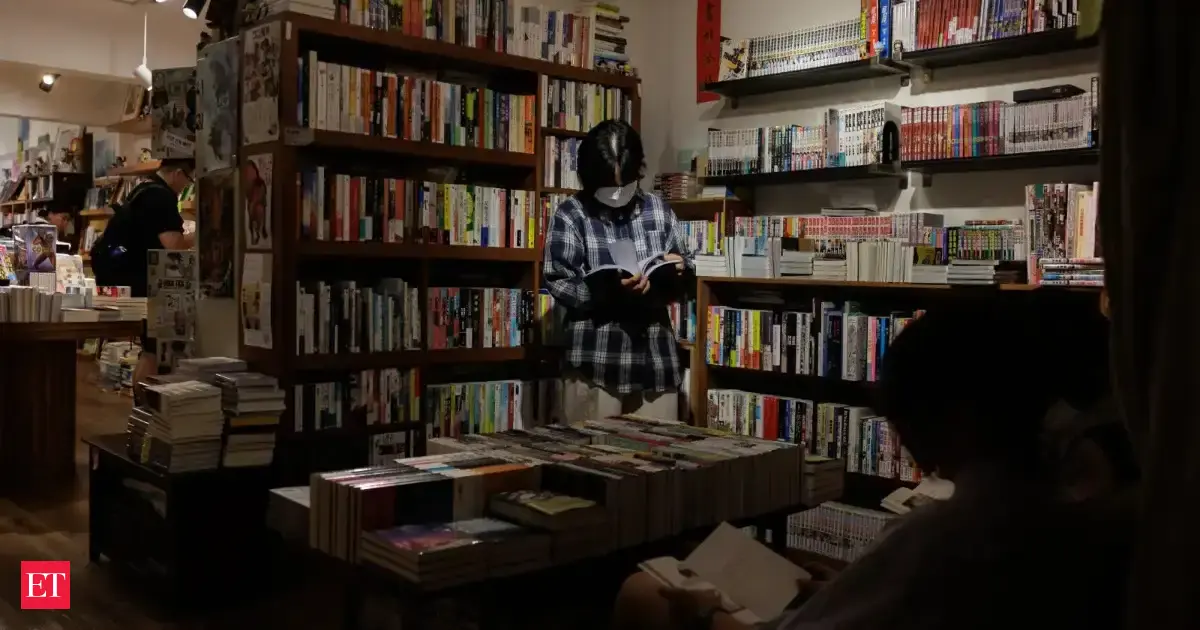
As censorship intensifies in Hong Kong, independent bookstores are becoming the last refuge for forbidden books. This report explores the challenges faced by these cultural hubs and their role in preserving literary freedom.
The Cultural Landscape of Hong Kong Under Pressure
In recent years, Hong Kong has witnessed a significant transformation in its cultural landscape, particularly in the realm of literature. The tightening grip of censorship has raised alarms among book lovers and literary activists, pushing independent bookstores to the forefront of the fight for literary freedom. These bookstores are not just retail spaces; they are sanctuaries for forbidden literature, offering a glimpse into the narratives that challenge the status quo.
The Rise of Censorship
Following the implementation of the National Security Law in 2020, numerous authors, publishers, and booksellers have faced increased scrutiny and pressure. The law has created an environment where the freedom to express dissenting views is severely limited, leading to a chilling effect on the publishing industry. Many titles that once graced the shelves are now deemed too controversial, forcing bookstores to navigate a precarious path between survival and censorship.
Independent Bookstores as Cultural Hubs
Despite the challenges, independent bookstores in Hong Kong have emerged as critical players in the preservation of literary diversity. These establishments, often run by passionate individuals, have become safe havens for readers seeking works that reflect a range of perspectives, including those that are politically sensitive or socially provocative. Bookstores like Bookazine and The Bookshop are not just selling books; they are fostering a community of readers who value the power of literature to inspire change and provoke thought.
Community Engagement and Resistance
Many independent bookstores are actively engaging with their communities through events, readings, and discussions that promote literary culture and encourage dialogue. These initiatives serve as a form of resistance against censorship, allowing readers to explore ideas that may be silenced elsewhere. For instance, recent book launches have featured authors whose works challenge the narrative imposed by the authorities, drawing in crowds eager to engage with these critical voices.
The Impact of Online Sales
The rise of online shopping has provided a lifeline for some bookstores, allowing them to reach a broader audience beyond the confines of physical locations. However, this shift also presents challenges, as many independent bookstores struggle to compete with larger e-commerce platforms that dominate the market. The balance between maintaining a physical presence and adapting to digital sales strategies is a constant struggle, with many owners expressing concern about the future of their businesses.
Support from the Global Community
Internationally, there has been a growing movement to support Hong Kong's independent bookstores. Literary festivals, online campaigns, and social media initiatives have rallied readers and authors worldwide to raise awareness about the plight of these cultural institutions. This global solidarity highlights the importance of independent bookstores as not only local treasures but also vital components of the global literary ecosystem.
The Future of Independent Bookstores in Hong Kong
As censorship continues to loom over Hong Kong, the future of independent bookstores remains uncertain. However, the resilience and dedication of bookstore owners and their communities offer a glimmer of hope. By championing literary freedom and fostering a culture of open dialogue, these bookstores are not merely surviving; they are thriving as beacons of resistance against oppression.
Conclusion
In a time when the written word faces unprecedented challenges, Hong Kong's independent bookstores stand as a testament to the enduring power of literature. They remind us that even in the face of adversity, the human spirit's quest for knowledge and expression cannot be easily extinguished. The fight for literary freedom continues, and these cultural hubs are at the heart of that struggle.