Hong Kong's First Five-Year Plan Aims to Boost Job Creation and Housing
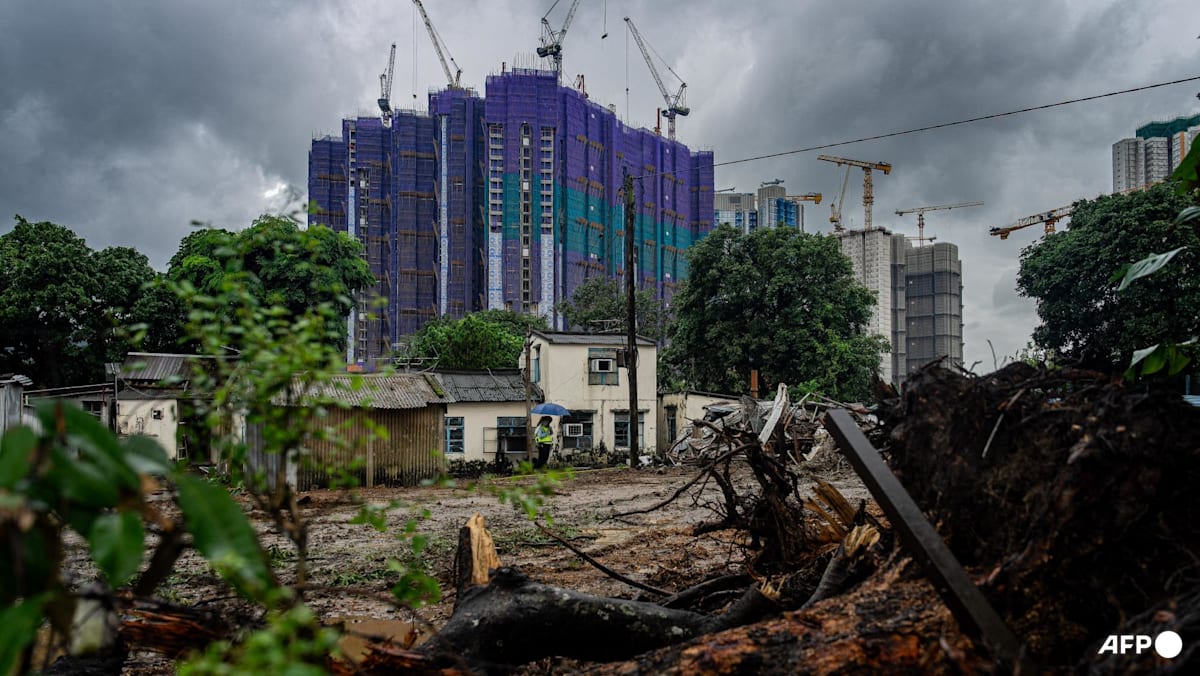
Hong Kong's inaugural five-year plan outlines ambitious goals to enhance job opportunities and address the housing crisis. The plan seeks to integrate economic development with social welfare initiatives.
Introduction
In a significant step towards revitalizing its economy and improving living conditions, Hong Kong has unveiled its first five-year plan aimed at job creation and housing development. This initiative comes in response to the ongoing challenges posed by the COVID-19 pandemic and the city's pressing housing crisis.
Objectives of the Five-Year Plan
The plan, which spans from 2023 to 2028, outlines a strategic approach to enhance employment opportunities across various sectors while simultaneously addressing the acute shortage of affordable housing. The government has pledged to create over 100,000 new jobs by the end of the five-year period, focusing on key industries such as technology, healthcare, and green energy.
Job Creation Initiatives
To achieve its ambitious job creation goals, the Hong Kong government will invest in training programs aimed at equipping the workforce with the necessary skills to thrive in a rapidly evolving job market. These initiatives will also target young people and underrepresented groups, ensuring that all segments of society benefit from the economic recovery. Furthermore, partnerships with private enterprises and educational institutions will be fostered to create a more dynamic job market.
Housing Development Plans
Alongside job creation, the five-year plan addresses one of Hong Kong's most pressing issues: the housing crisis. With property prices soaring and a significant portion of the population living in inadequate conditions, the government has committed to building at least 50,000 new housing units annually. This will include a mix of public and private housing developments, with an emphasis on affordability.
Community Engagement and Feedback
The government has emphasized the importance of community engagement in the planning process. Public consultations will be held to gather feedback from residents, ensuring that the housing projects meet the needs of the community. This participatory approach aims to foster a sense of ownership among residents and to create developments that are not only functional but also enhance the quality of life.
Integration of Economic and Social Policies
This five-year plan marks a paradigm shift in Hong Kong's approach to governance, integrating economic development with social welfare policies. By focusing on job creation and housing, the government aims to create a more sustainable and equitable society. This holistic approach is expected to stimulate economic growth while addressing the social disparities that have widened in recent years.
Challenges Ahead
Despite the optimistic outlook, the plan is not without its challenges. The government will need to navigate bureaucratic hurdles, secure funding, and ensure that the projects are completed on time. Additionally, the ongoing impact of the COVID-19 pandemic poses uncertainties that could affect both job creation and housing development.
Conclusion
Hong Kong's first five-year plan represents a crucial step towards addressing the dual challenges of job creation and housing shortages. As the government embarks on this ambitious journey, the success of the plan will largely depend on effective implementation, community involvement, and the ability to adapt to unforeseen challenges. The coming years will be critical in determining whether these initiatives can bring about meaningful change in the lives of Hong Kong's residents.