Hong Kong's Evolving Political Landscape: A Year After the National Security Law
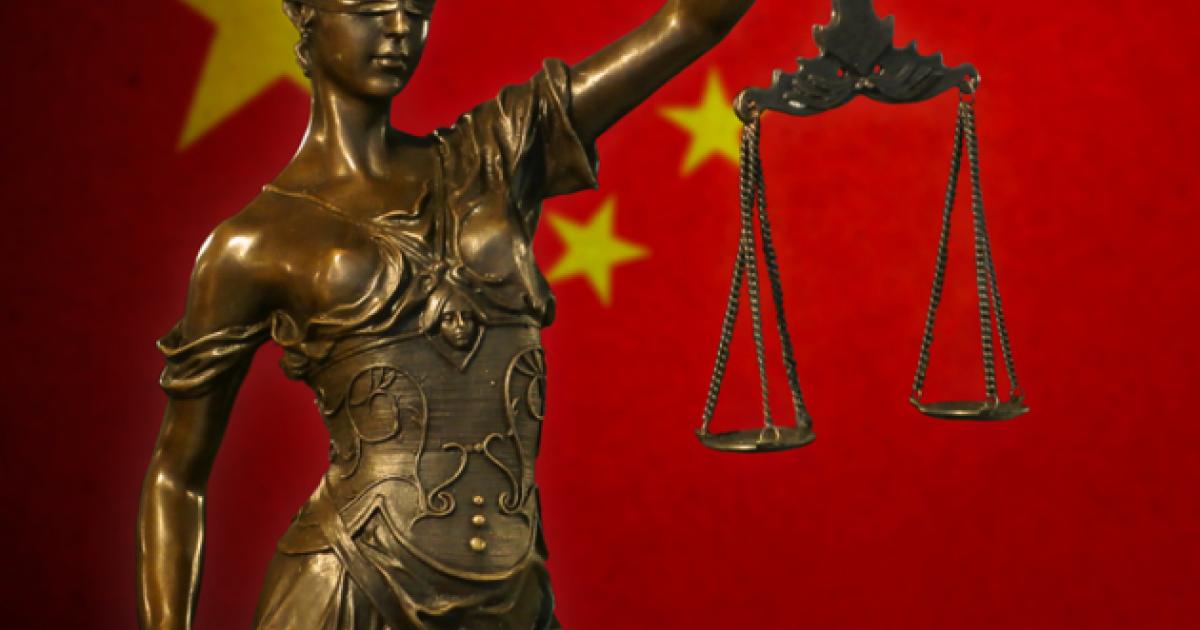
As Hong Kong marks a year since the implementation of the National Security Law, the city faces profound changes in its political atmosphere and civil liberties. This report delves into the implications of the law on society, governance, and international relations.
Introduction
One year after the controversial National Security Law (NSL) was enacted in Hong Kong, the city has witnessed a dramatic transformation in its political landscape. The law, which was introduced by Beijing in June 2020, aimed to curb dissent and restore stability following months of pro-democracy protests. However, its implications have extended far beyond its stated objectives, raising questions about civil liberties, governance, and the future of Hong Kong's unique status.
Impact on Civil Liberties
The NSL has had a chilling effect on free speech and assembly in Hong Kong. Activists, journalists, and ordinary citizens have faced increased scrutiny and repression. High-profile arrests of pro-democracy figures, including media mogul Jimmy Lai and numerous activists, have sent a clear message: dissent will not be tolerated. The once-vibrant landscape of protests and public demonstrations has been largely silenced, with many activists opting for exile or self-censorship.
Changes in Governance
The implementation of the NSL has also led to significant changes in Hong Kong's governance. The local government, now seen as an extension of Beijing's authority, has shifted its focus from maintaining the city’s autonomy to enforcing loyalty to the central government. This shift has resulted in the disbanding of numerous civil society organizations and the reorganization of educational curricula to align with Beijing’s narrative.
International Relations and Economic Implications
Internationally, the NSL has strained Hong Kong's relations with Western countries, many of whom have condemned the law as a violation of the Sino-British Joint Declaration. In response, countries like the United States and the United Kingdom have imposed sanctions on Hong Kong officials and offered refuge to those fleeing repression. Economically, while Hong Kong remains a global financial hub, concerns over its stability and the erosion of the rule of law have prompted some businesses to reconsider their operations in the city.
Public Sentiment
Public sentiment in Hong Kong is increasingly polarized. While some residents support the NSL as a necessary measure for restoring order, a significant portion of the population feels disillusioned and fearful of the future. Surveys indicate a growing sense of hopelessness among younger generations, who worry about their ability to express themselves and participate in the political process.
Conclusion
As Hong Kong navigates this new reality, the implications of the National Security Law continue to unfold. The city’s unique identity and freedoms are under unprecedented threat, raising critical questions about its future. The international community watches closely, as the balance between maintaining stability and upholding human rights hangs in the balance. The coming years will be crucial in determining whether Hong Kong can reclaim its status as a beacon of freedom in Asia or if it will succumb to an era of authoritarianism.