Hong Kong's Education System: A Call for Reform to Nurture Future Generations
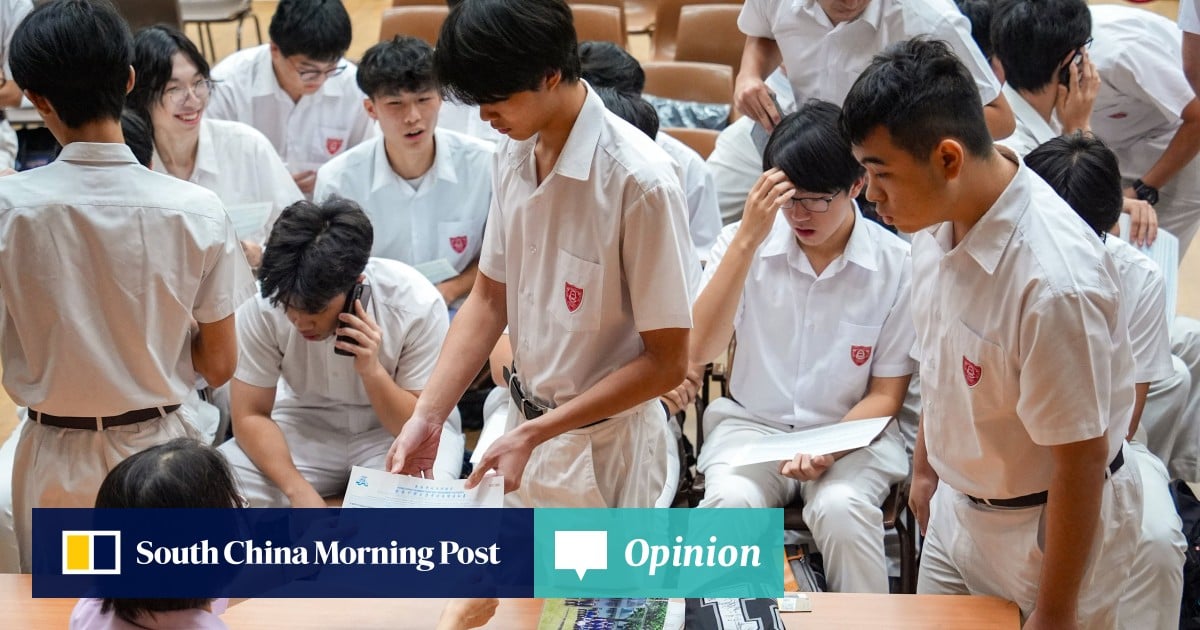
Hong Kong's education system faces significant challenges that hinder the development of its youth. Experts argue that substantial reforms are necessary to transform the city into a true education hub and better serve its children.
Introduction
As Hong Kong positions itself as a potential education hub in Asia, the urgent need for reform in its education system has come to the forefront. Recent discussions highlight the critical challenges faced by students and educators alike, emphasizing that improvements must be made to ensure that the city's youth are adequately prepared for the future.
The Current State of Education in Hong Kong
Hong Kong's education system is often lauded for its rigorous academic standards and high-stakes examinations. However, this focus on academic achievement has led to a narrow definition of success that overlooks the holistic development of children. A significant number of students experience immense pressure to perform, leading to mental health issues and a lack of engagement with learning.
Challenges Faced by Students
Reports indicate that many students in Hong Kong are struggling with anxiety and stress due to the competitive nature of the educational environment. The relentless pursuit of grades often sidelines creativity, critical thinking, and emotional intelligence—skills that are increasingly essential in today's rapidly changing world. Furthermore, the existing curriculum has been criticized for being overly rigid, failing to accommodate diverse learning styles and interests.
The Need for Holistic Development
Experts argue that a shift towards a more holistic approach to education is necessary. This includes fostering not only academic excellence but also social, emotional, and physical well-being. Initiatives that encourage creativity, collaboration, and critical thinking should be integrated into the curriculum to better prepare students for the complexities of modern life.
Proposed Reforms
To address these challenges, several reforms have been proposed by educators and policymakers. These include revising the curriculum to incorporate more interdisciplinary learning, reducing the emphasis on rote memorization, and implementing programs that support mental health and well-being. Additionally, there is a call for increased investment in teacher training to equip educators with the skills needed to adapt to a changing educational landscape.
The Role of the Government
The Hong Kong government plays a pivotal role in shaping the future of education in the region. By prioritizing educational reform and actively engaging with stakeholders—including teachers, parents, and students—the government can create a more inclusive and supportive environment for learning. This collaborative approach is essential for fostering a culture of innovation and resilience among students.
Conclusion
As Hong Kong strives to become an education hub, it must first address the pressing issues within its current system. By embracing a holistic approach to education and prioritizing the well-being of its children, the city can cultivate a generation of learners who are not only academically proficient but also equipped with the skills necessary to thrive in an ever-evolving world. The time for reform is now, and the future of Hong Kong's youth depends on it.