Hong Kong's Cultural Landscape: Navigating Tradition and Modernity
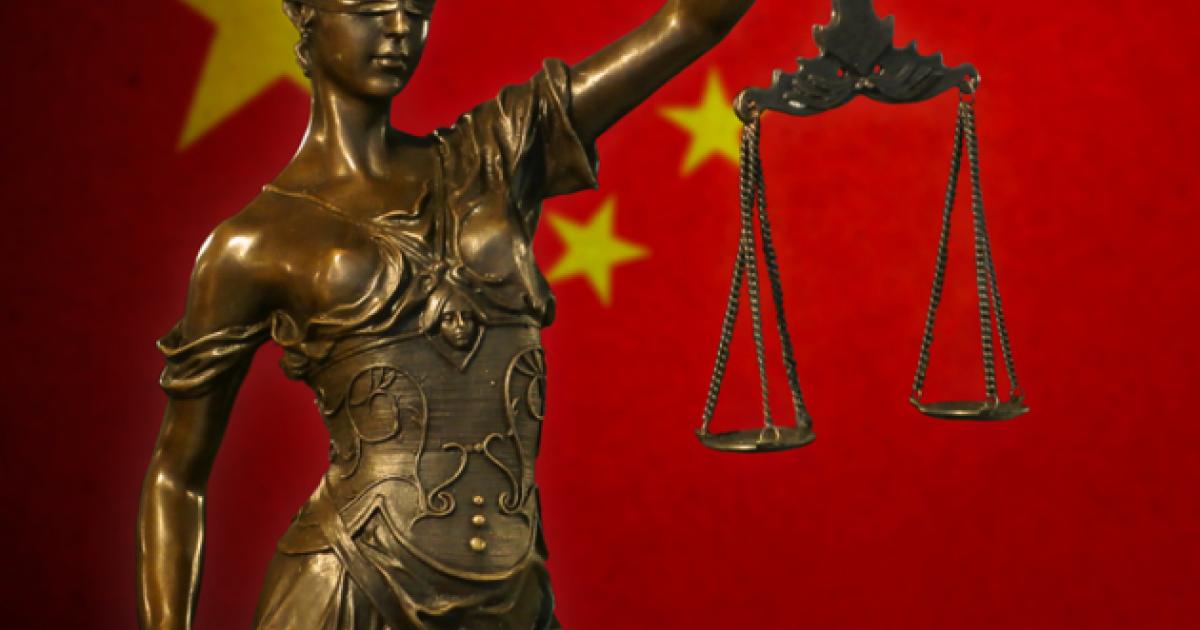
Hong Kong's rich cultural tapestry is being tested by rapid modernization and political changes. As the city grapples with its identity, the balance between preserving tradition and embracing contemporary influences becomes increasingly complex.
Introduction
Hong Kong, a vibrant metropolis known for its unique blend of Eastern and Western cultures, stands at a crossroads. The city's cultural landscape is undergoing significant transformation, influenced by rapid modernization, political shifts, and the ongoing struggle for identity amidst external pressures. As residents navigate these changes, the question arises: how can Hong Kong preserve its rich cultural heritage while adapting to the demands of a modern world?
The Historical Context
Since its establishment as a British colony in the 19th century, Hong Kong has been a melting pot of cultures. The fusion of Chinese traditions with Western influences has created a distinctive identity that is both unique and complex. However, the 1997 handover to China marked a new chapter in Hong Kong's history, bringing with it challenges related to governance, freedom of expression, and cultural preservation.
Modernization and Its Impact
The rapid pace of urban development in Hong Kong has led to the demolition of historical sites and neighborhoods, raising concerns among residents and cultural advocates. Iconic landmarks such as the Star Ferry and traditional markets face threats from real estate development, which prioritizes profit over heritage. This trend has sparked protests and a growing movement among locals who seek to protect their cultural legacy.
Political Pressures
In recent years, the political landscape in Hong Kong has become increasingly fraught, particularly following the 2019 protests against the extradition bill. The government's response to dissent has raised alarms about freedom of expression and the preservation of cultural practices. Artists, musicians, and writers find themselves navigating a precarious environment where their work may be scrutinized or censored. This climate has prompted many to explore themes of identity, resistance, and resilience in their art.
Community Initiatives
Despite the challenges, grassroots movements and community initiatives are emerging to celebrate and preserve Hong Kong's cultural heritage. Local organizations are working tirelessly to document oral histories, revive traditional crafts, and promote local artists. Events such as the Hong Kong Arts Festival and the Hong Kong International Film Festival showcase the city's diverse artistic expressions and provide platforms for dialogue about cultural identity.
The Role of Education
Education plays a crucial role in shaping the future of Hong Kong's cultural landscape. Schools and universities are beginning to incorporate local history and cultural studies into their curricula, fostering a sense of pride among younger generations. By instilling an appreciation for their heritage, educators hope to empower students to become advocates for cultural preservation and innovation.
Conclusion
As Hong Kong continues to evolve, the interplay between tradition and modernity will define its cultural identity. The city's residents face the challenge of navigating a rapidly changing environment while holding onto the values and practices that make their culture unique. Through community efforts, artistic expression, and educational initiatives, there is hope that Hong Kong can find a harmonious balance that honors its past while embracing the future.