Hong Kong's Commitment to Digital Assets Amidst Rising Competition from UAE
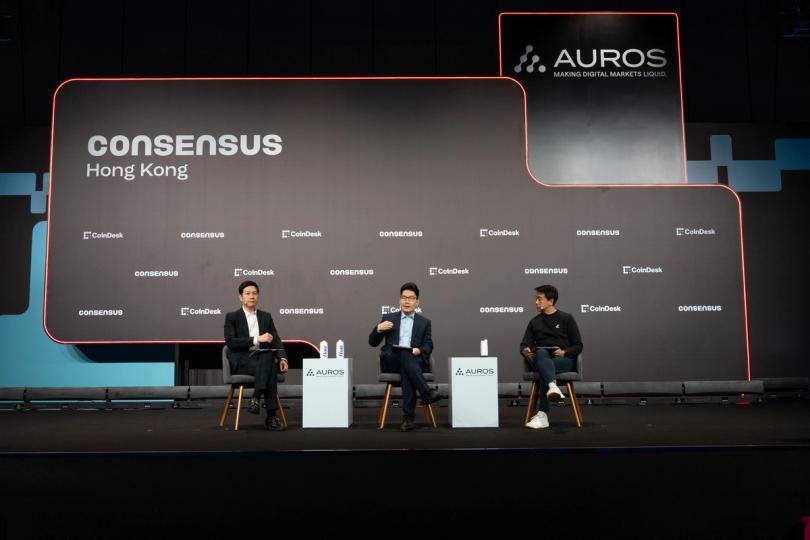
Hong Kong is reaffirming its commitment to becoming a global hub for digital assets, even as it faces stiff competition from the UAE's aggressive approach. The city's regulatory framework aims to attract innovative blockchain projects and cryptocurrency firms.
Hong Kong's Digital Asset Landscape
In a rapidly evolving financial landscape, Hong Kong has made significant strides in establishing itself as a global hub for digital assets. The city's government and regulatory bodies have been proactive in creating a favorable environment for blockchain innovation and cryptocurrency trading. However, recent developments have highlighted the growing competition from the United Arab Emirates (UAE), which has adopted an aggressive stance in attracting digital asset businesses.
Regulatory Framework and Initiatives
Hong Kong's commitment to digital assets is evident through its comprehensive regulatory framework, which aims to balance innovation with investor protection. The Hong Kong Monetary Authority (HKMA) has introduced guidelines for cryptocurrency exchanges and Initial Coin Offerings (ICOs), ensuring that these entities operate within a structured environment. This regulatory clarity has been a significant factor in attracting both local and international blockchain firms to set up operations in the city.
UAE's Aggressive Strategy
On the other hand, the UAE has emerged as a formidable competitor in the digital asset space. With initiatives like the Dubai Multi Commodities Centre (DMCC) Crypto Centre and the Abu Dhabi Global Market (ADGM), the UAE is positioning itself as a leading destination for cryptocurrency businesses. The government's proactive approach, including tax incentives and a streamlined licensing process, has drawn numerous firms away from traditional markets, including Hong Kong.
Investment and Innovation
As Hong Kong navigates this competitive landscape, it continues to attract significant investment in the digital asset sector. The city has seen a surge in venture capital funding directed towards blockchain startups, with investors keen on tapping into the region's potential for innovation. The Hong Kong government is also actively promoting research and development in blockchain technology, fostering partnerships between academic institutions and private enterprises.
Challenges Ahead
Despite its advantages, Hong Kong faces several challenges in maintaining its status as a digital asset hub. The increasing regulatory scrutiny from global authorities, particularly concerning anti-money laundering (AML) and combating the financing of terrorism (CFT), poses a significant hurdle. Additionally, the ongoing geopolitical tensions in the region may impact investor confidence and the overall business climate.
Future Outlook
Looking ahead, Hong Kong's ability to adapt to the rapidly changing landscape of digital assets will be crucial. The city must continue to refine its regulatory framework, ensuring it remains competitive while safeguarding investors. Furthermore, fostering a collaborative environment between regulators, industry stakeholders, and academia will be essential in driving innovation and attracting talent.
Conclusion
In conclusion, Hong Kong's commitment to digital assets remains strong, even in the face of growing competition from the UAE. As the city strives to solidify its position as a global leader in the digital economy, it will need to navigate various challenges while capitalizing on its unique strengths. The coming years will be pivotal in determining whether Hong Kong can maintain its edge in the dynamic world of digital assets.