Hong Kong's Budget Surplus: A Call for Sustainable Economic Strategies
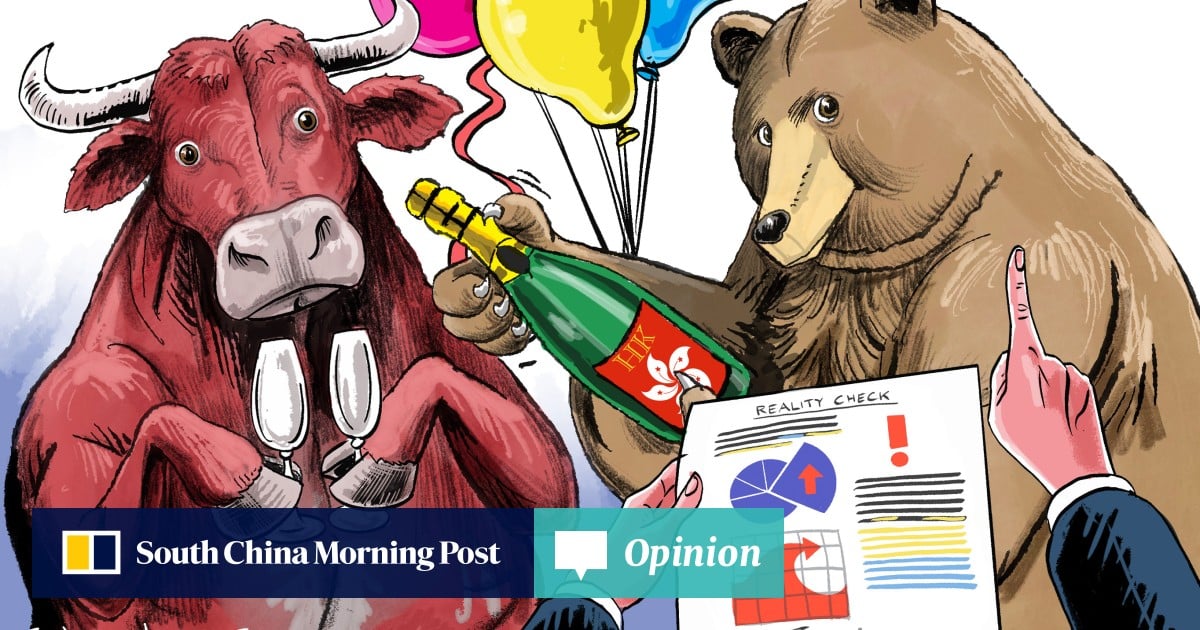
After celebrating a significant budget surplus, experts urge Hong Kong to focus on sustainable economic growth. The city must navigate its financial future carefully to maintain stability and prosperity.
Hong Kong's Budget Surplus: A Call for Sustainable Economic Strategies
Hong Kong recently celebrated a remarkable budget surplus, marking a significant achievement in its financial management amidst global economic uncertainties. However, as the city revels in this fiscal success, experts emphasize the urgent need for sustainable economic strategies to ensure long-term stability and growth.
The surplus, which amounted to billions of Hong Kong dollars, has been attributed to various factors, including a rebound in tourism and increased government revenues from taxes. This financial windfall presents an opportunity for the city to invest in critical areas such as infrastructure, education, and healthcare, which have suffered during the pandemic. However, the question remains: how can Hong Kong sustain this surplus and turn it into a catalyst for future growth?
Understanding the Context
Hong Kong's economy has been on a rollercoaster ride in recent years, with the COVID-19 pandemic severely impacting its financial landscape. The recent surplus is a welcome development, but it also highlights the challenges the city faces in maintaining economic momentum. Experts warn that relying solely on short-term gains from tourism and trade is not a sustainable strategy. Instead, a comprehensive approach that addresses underlying economic vulnerabilities is essential.
Investing in Future Growth
To leverage the current surplus, the Hong Kong government must prioritize investments in sectors that promise long-term benefits. Infrastructure development, for instance, is crucial for enhancing connectivity and supporting economic activities. The city’s aging public transport system and housing shortages require immediate attention. By investing in modern infrastructure, Hong Kong can not only improve the quality of life for its residents but also attract foreign investment.
Moreover, education and workforce development should be at the forefront of the government’s agenda. As industries evolve, there is a growing need for a skilled workforce that can adapt to new technologies and market demands. The surplus could be channeled into educational programs and vocational training, ensuring that the next generation is equipped to thrive in a competitive global economy.
Addressing Social Inequality
Another critical area that demands attention is social inequality. The pandemic has exacerbated existing disparities, with lower-income families bearing the brunt of economic hardships. The government must consider using part of the surplus to support social welfare programs that provide assistance to those in need. By addressing inequality, Hong Kong can foster a more inclusive society, which is vital for long-term stability.
Environmental Sustainability
In addition to economic and social considerations, environmental sustainability should be a key focus. The effects of climate change pose significant risks to Hong Kong’s future, and the government has a responsibility to invest in green initiatives. By allocating funds from the surplus to renewable energy projects, waste management improvements, and urban greening efforts, Hong Kong can position itself as a leader in sustainability while also creating new job opportunities.
Conclusion: A Balanced Approach
While the recent budget surplus is a reason for celebration, it is crucial for Hong Kong to adopt a balanced approach to its economic future. Sustainable growth requires strategic investments across various sectors, addressing social inequality, and prioritizing environmental sustainability. As the city moves forward, the lessons learned from past challenges must inform a comprehensive strategy that not only sustains the surplus but also ensures a prosperous future for all its residents.