Hong Kong's Battle Against Cancer: Progress and Challenges in Late Diagnosis
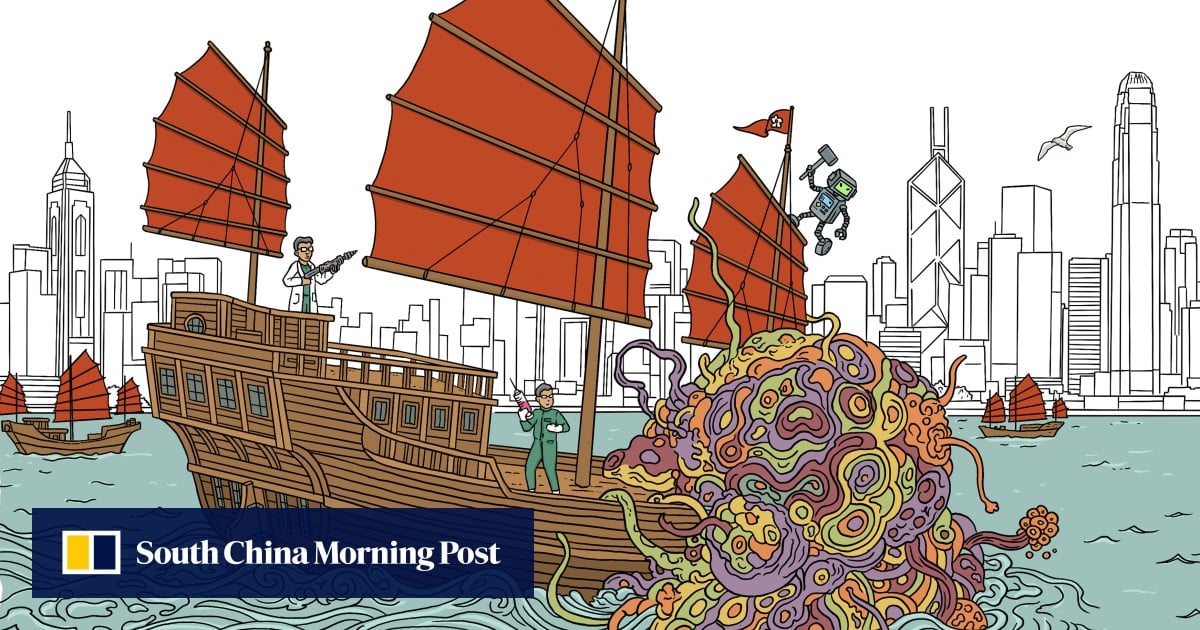
Hong Kong has made significant strides in cancer treatment and awareness, yet the city faces a growing challenge with late diagnoses. Experts warn that while advancements are promising, the need for early detection remains critical to improving survival rates.
Introduction
In recent years, Hong Kong has emerged as a leader in cancer treatment and research, showcasing remarkable advancements in medical technology and patient care. However, despite these strides, health professionals are increasingly concerned about the rising number of late cancer diagnoses, which could undermine the progress made in combating the disease.
Progress in Cancer Treatment
Hong Kong's healthcare system has invested heavily in cancer treatment, with a focus on precision medicine and targeted therapies. The establishment of specialized cancer centers and the integration of cutting-edge technologies such as immunotherapy have significantly improved treatment outcomes. According to the Hong Kong Cancer Registry, the five-year survival rate for many common cancers, including breast and colorectal cancer, has steadily increased over the past decade.
The Challenge of Late Diagnosis
Despite these advancements, a troubling trend has emerged: an increasing number of patients are being diagnosed at later stages of cancer. Experts attribute this phenomenon to various factors, including a lack of awareness about cancer symptoms, the stigma surrounding cancer diagnoses, and the impact of the COVID-19 pandemic on routine health screenings. Many individuals are delaying medical consultations due to fear of hospital visits or misinterpreting early symptoms as benign.
Statistics Highlighting the Issue
Recent studies indicate that approximately 40% of cancer patients in Hong Kong are diagnosed at an advanced stage, which significantly reduces their chances of survival. For instance, late-stage breast cancer patients have a five-year survival rate of only 27%, compared to 98% for those diagnosed at an early stage. These statistics highlight the urgent need for improved public awareness campaigns and early screening initiatives.
Public Awareness and Education Initiatives
In response to the rising concern about late diagnoses, various health organizations and non-profits in Hong Kong have ramped up efforts to educate the public about cancer risks and the importance of early detection. Campaigns focusing on common cancers, such as breast, cervical, and colorectal cancers, aim to inform residents about the signs and symptoms to watch for, as well as the importance of regular health check-ups.
Government and Healthcare System Response
The Hong Kong government has also recognized the need for a multi-faceted approach to tackle the issue of late cancer diagnosis. Initiatives such as subsidized screening programs and public health seminars are being implemented to encourage residents to seek medical advice promptly. Additionally, healthcare providers are being trained to better communicate with patients about the importance of early detection and to create a supportive environment for those facing a cancer diagnosis.
Looking Ahead
As Hong Kong continues to advance in cancer treatment and research, the challenge of late diagnosis remains a critical issue that requires immediate attention. Experts emphasize that a collaborative approach involving healthcare providers, government agencies, and community organizations is essential to promote early detection and improve survival rates. With continued efforts in public education and healthcare accessibility, there is hope that Hong Kong can turn the tide in the fight against cancer.
Conclusion
While Hong Kong has made commendable progress in the battle against cancer, the rising trend of late diagnoses poses a significant threat to the city's achievements. By prioritizing early detection and fostering a culture of awareness, Hong Kong can ensure that its advancements in cancer treatment translate into better outcomes for all residents.