Hong Kong's Bad-Debt Bankers Ramp Up Fire Sales and Liquidations
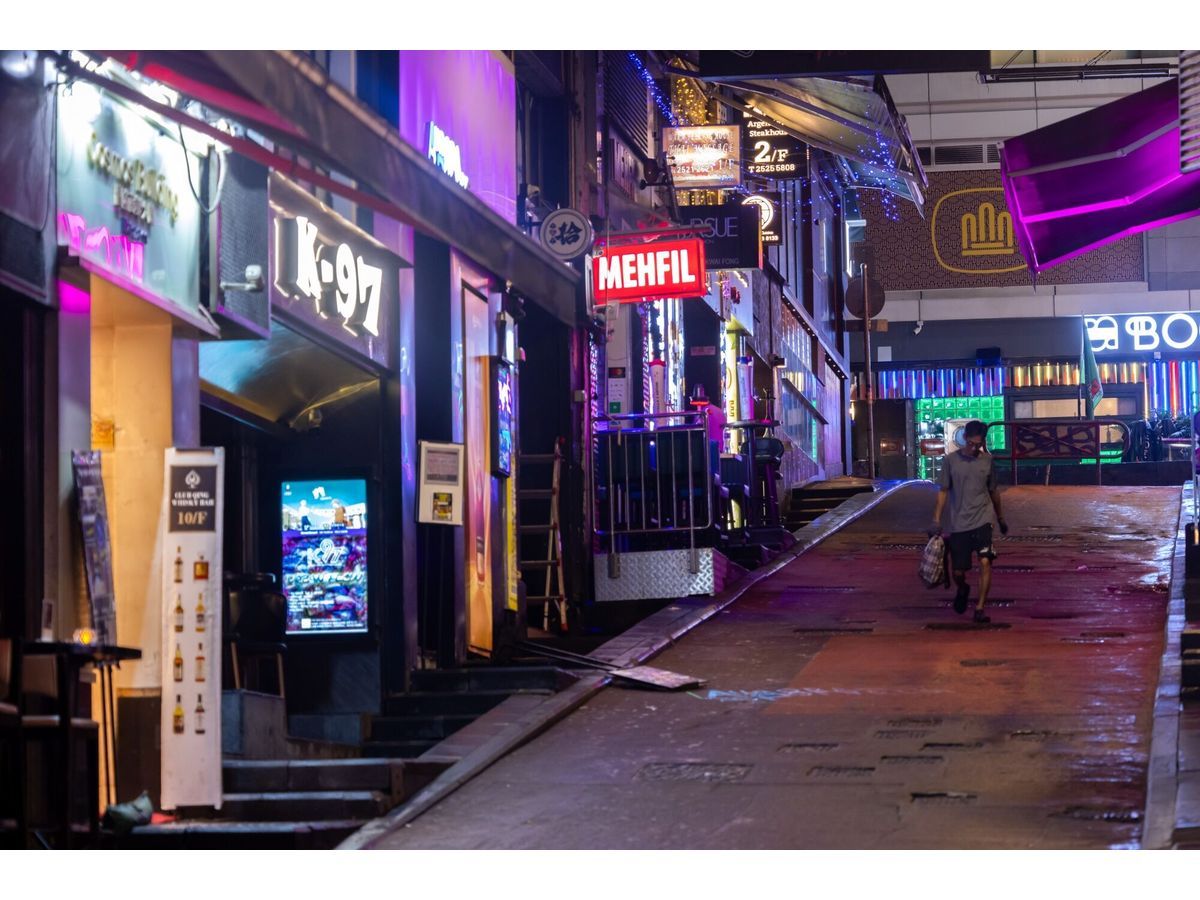
As Hong Kong's economy continues to grapple with challenges, the rise in bad-debt bankers is leading to increased fire sales and liquidations. This trend reflects the broader financial struggles faced by the region amidst a post-pandemic recovery.
Introduction
Hong Kong's financial landscape is undergoing a significant transformation as bad-debt bankers intensify their fire sales and liquidations. This trend is indicative of the broader economic challenges the region faces, particularly in the wake of the COVID-19 pandemic and ongoing geopolitical tensions.
Background
Hong Kong has long been regarded as a financial hub in Asia, attracting global investors and businesses. However, the city has been experiencing a downturn, exacerbated by the pandemic's economic fallout and a series of political protests. As a result, many businesses are struggling to stay afloat, leading to an increase in bad debts and the emergence of specialized bankers focused on liquidating distressed assets.
Rise of Bad-Debt Bankers
According to recent reports, bad-debt bankers in Hong Kong are ramping up their activities as the number of distressed companies rises. These bankers specialize in acquiring non-performing loans and distressed assets, often at steep discounts. With many businesses unable to recover from the pandemic's economic impact, these bankers are seizing opportunities to liquidate assets quickly, often through fire sales.
Impact on the Market
The increase in fire sales is creating a ripple effect throughout Hong Kong's economy. While some investors view these sales as opportunities to acquire undervalued assets, others are concerned about the long-term implications for the market. The aggressive liquidation of assets can lead to a decrease in property values and overall market confidence, further complicating the recovery process.
Case Studies
Several high-profile cases have emerged, highlighting the extent of the issue. For instance, a prominent retail chain recently announced its decision to liquidate several of its stores, resulting in significant discounts on inventory. Similarly, commercial properties that once commanded high prices are now being sold at a fraction of their original value.
Government Response
In response to the growing crisis, the Hong Kong government has implemented various measures aimed at stabilizing the economy. These include financial support for struggling businesses and initiatives to boost consumer spending. However, critics argue that more needs to be done to address the root causes of the economic downturn, including the need for structural reforms.
Looking Ahead
As Hong Kong navigates these turbulent waters, the role of bad-debt bankers will likely become even more pronounced. Their activities could shape the future of the city’s financial landscape, influencing both investment strategies and market dynamics. While some may see these bankers as opportunists, others view them as necessary players in the market, facilitating the reallocation of resources in a time of crisis.
Conclusion
In conclusion, the rise of bad-debt bankers and the increase in fire sales and liquidations in Hong Kong reflect the broader economic challenges the region faces. As the city strives for recovery, the actions of these bankers will play a crucial role in determining the future of its financial landscape. Stakeholders across the board must remain vigilant and adaptable as they navigate this evolving situation.