Hong Kong Regulators Impose Record Fine on PwC Over Evergrande Audit Failures
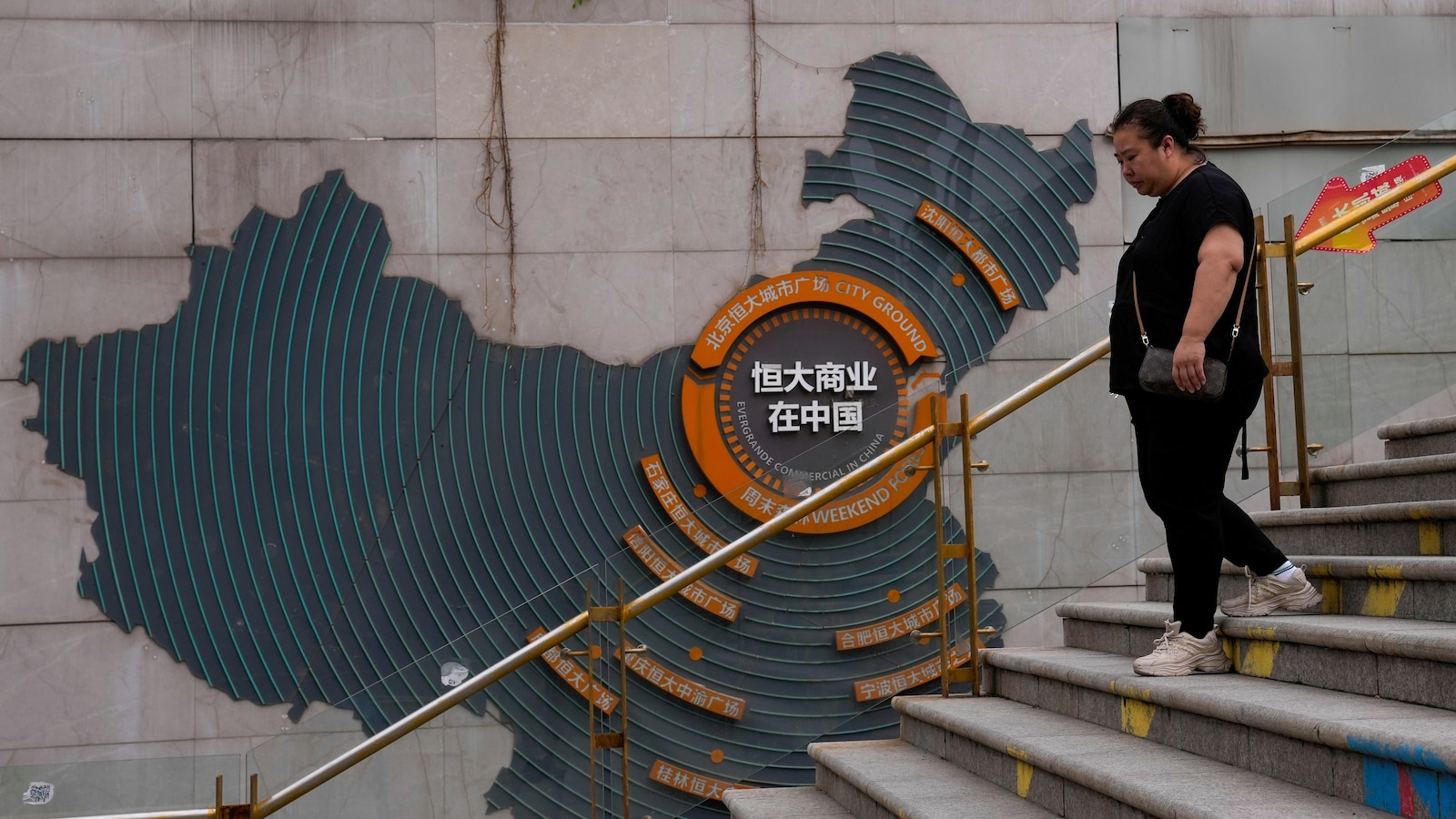
Hong Kong's financial regulators have levied a staggering $166 million fine on PwC for its inadequate auditing practices related to China Evergrande Group. This unprecedented penalty highlights the increasing scrutiny of auditors in the wake of corporate governance failures.
Introduction
In a landmark decision, Hong Kong's financial regulators have imposed a hefty fine of $166 million on PricewaterhouseCoopers (PwC), one of the world's leading auditing firms. This significant penalty stems from the firm's failure to conduct proper audits for China Evergrande Group, a property giant that has been at the center of a financial crisis affecting millions of stakeholders.
The Context of the Fine
China Evergrande Group, once the largest property developer in China, has faced severe financial distress, culminating in its default on debt obligations exceeding $300 billion. The company's collapse has raised alarms about the broader implications for the Chinese economy and the global financial system. As a result, regulatory bodies in Hong Kong have intensified their scrutiny of auditing practices, particularly those involving high-profile companies like Evergrande.
Details of the Regulatory Action
The Hong Kong Institute of Certified Public Accountants (HKICPA) initiated the investigation into PwC's auditing practices following allegations of negligence and misconduct. The regulators found that PwC failed to identify significant risks and irregularities in Evergrande's financial statements over several years, which contributed to the misleading portrayal of the company's financial health.
This fine marks one of the largest penalties ever imposed on an auditing firm in Hong Kong, signaling a shift towards greater accountability in the auditing profession. The HKICPA emphasized that the fine serves as a warning to other firms about the importance of maintaining rigorous auditing standards and ethical practices.
PwC's Response
In response to the fine, PwC expressed its disappointment and stated that it is committed to improving its auditing processes. The firm acknowledged the findings of the regulators and emphasized its dedication to upholding the highest standards of professionalism and integrity in its operations. PwC also indicated that it would review the implications of the fine and implement necessary changes to prevent similar occurrences in the future.
Implications for the Auditing Industry
This unprecedented fine against PwC is likely to have far-reaching implications for the auditing industry, particularly in Hong Kong and Mainland China. Analysts predict that this action may lead to increased regulatory scrutiny of other auditing firms, as well as a push for reforms in auditing standards and practices across the region.
Furthermore, the fine may influence how investors perceive the reliability of financial statements issued by companies in distress, particularly in sectors known for high leverage and risk. As the fallout from Evergrande continues to unfold, stakeholders are likely to demand greater transparency and accountability from auditors and companies alike.
Conclusion
The $166 million fine imposed on PwC serves as a critical reminder of the vital role auditors play in ensuring corporate governance and financial integrity. As the repercussions of the Evergrande crisis continue to resonate, the auditing profession in Hong Kong faces a pivotal moment, with calls for reform and greater oversight likely to shape its future. The decision by regulators underscores the importance of ethical auditing practices and the need for firms to prioritize accuracy and diligence in their financial assessments.