Hong Kong Records Largest Trade Deficit Since 1952 Amidst AI Boom
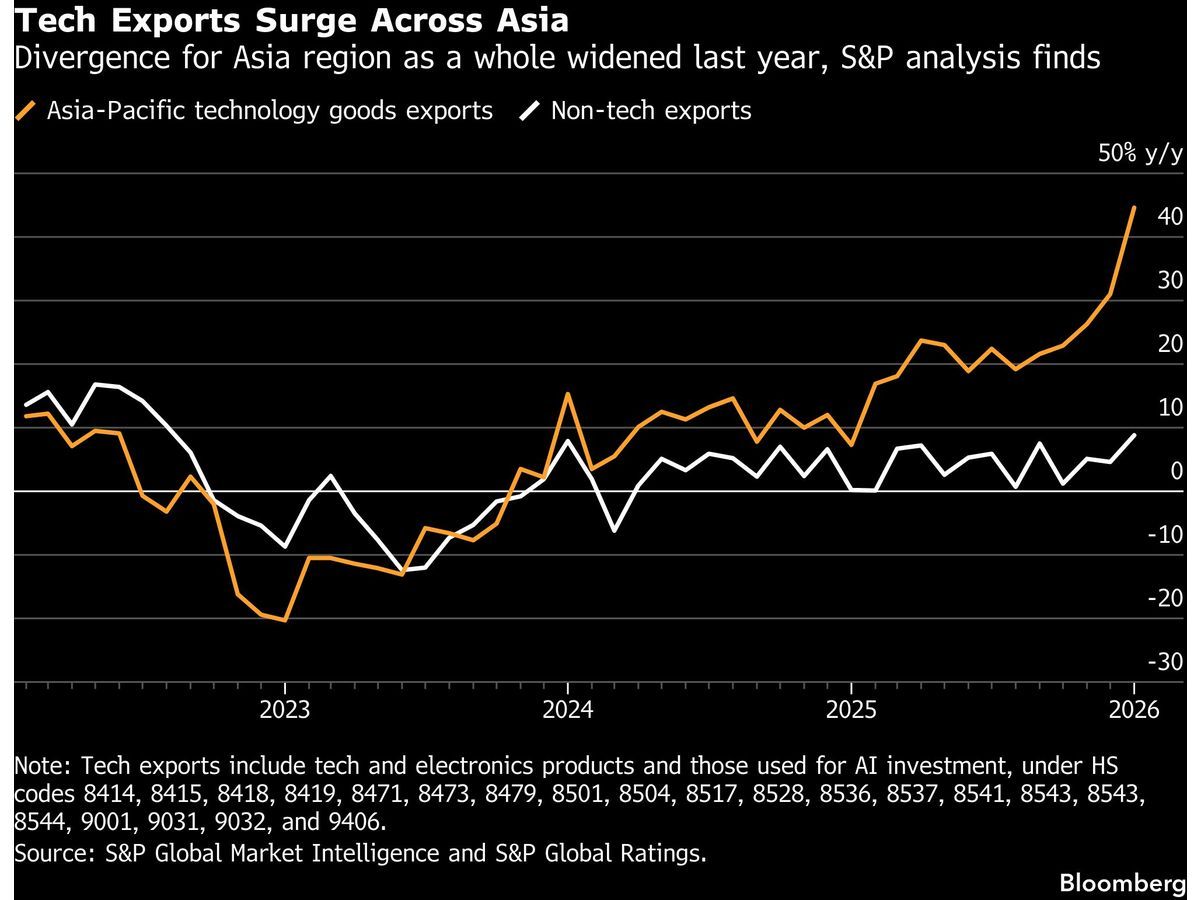
Hong Kong has reported its widest trade deficit in over seven decades, primarily driven by the surge in artificial intelligence technologies. This unprecedented economic shift raises questions about the city's trade dynamics and future economic strategies.
Hong Kong's Trade Deficit Hits Record Levels
In a striking economic development, Hong Kong has recorded its largest trade deficit since 1952, a staggering $67.7 billion for the first half of 2023. This alarming figure has drawn attention to the city's evolving trade landscape, particularly in light of the booming artificial intelligence (AI) sector.
Impact of the AI Boom
The trade deficit has been largely attributed to the rapid growth of AI technologies, which have transformed global markets and supply chains. As companies worldwide invest heavily in AI, Hong Kong, traditionally a hub for trade and finance, finds itself grappling with the consequences of this technological revolution. The city has seen a significant increase in imports of AI-related products and components, while local exports have struggled to keep pace.
Shifting Trade Dynamics
According to the Financial Post, the AI boom has led to a surge in demand for electronic components, machinery, and technology services from overseas. However, Hong Kong's export market has not adapted quickly enough to capitalize on these trends, resulting in a widening trade gap. The city's reliance on imports for high-tech goods has become more pronounced, raising concerns about its long-term economic sustainability.
Government Response and Economic Strategies
In response to the growing trade deficit, Hong Kong's government has initiated discussions on enhancing its economic strategies. Officials are exploring ways to bolster local production capabilities and improve the export of high-value goods. Additionally, there is a push to attract foreign investment in the technology sector, aiming to create a more balanced trade environment.
Concerns Over Economic Stability
The record trade deficit has sparked concerns among economists and business leaders about Hong Kong's economic stability. With the global economy still recovering from the pandemic and geopolitical tensions affecting trade routes, the city's position as a leading financial center is under scrutiny. Analysts warn that without significant changes, Hong Kong may struggle to maintain its competitive edge in the evolving global landscape.
Future Outlook
Looking ahead, the future of Hong Kong's economy will largely depend on its ability to adapt to the changing dynamics of international trade. The government must prioritize investments in technology and innovation to foster a more resilient economy. As the AI boom continues to reshape industries, Hong Kong has the potential to emerge as a leader in this field, provided it can effectively navigate the challenges posed by its current trade deficit.
Conclusion
Hong Kong's record trade deficit serves as a wake-up call for policymakers and business leaders alike. As the city grapples with the implications of the AI boom, it is imperative to develop strategies that not only address the immediate economic challenges but also position Hong Kong for future growth in an increasingly competitive global marketplace.