Hong Kong Protests Panama's Control Over Canal Ports Amid Growing Tensions
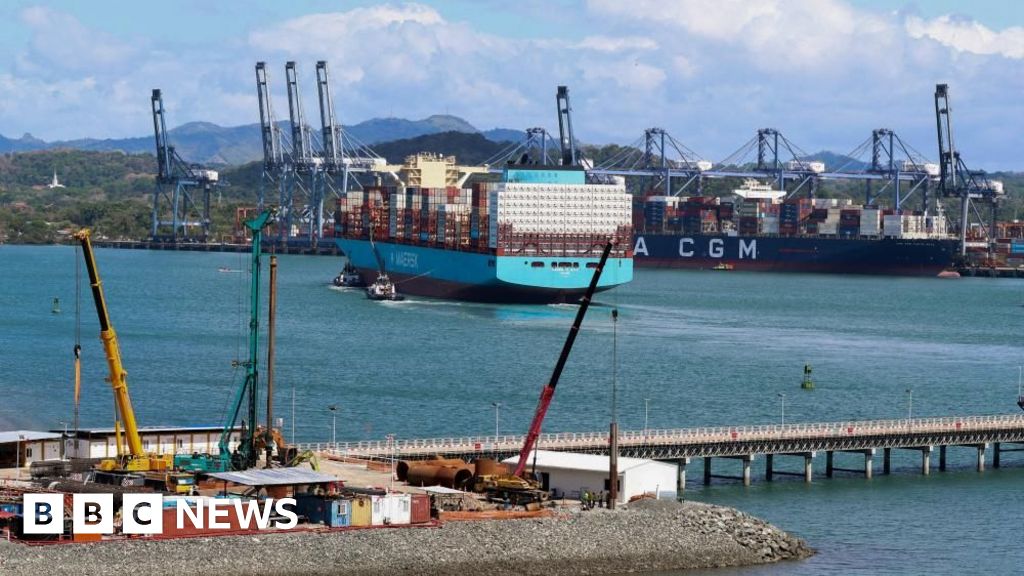
Hong Kong has lodged a strong protest against Panama's recent decision to take control of key canal ports, escalating diplomatic tensions. This move raises concerns about regional trade and geopolitical stability in an increasingly complex international landscape.
Hong Kong Protests Panama's Control Over Canal Ports
In a significant escalation of diplomatic tensions, Hong Kong has lodged a strong protest against Panama's recent decision to take control of key ports along the Panama Canal. This move has raised alarms not only within the territory but also across the international community, as it could have far-reaching implications for global trade routes and geopolitical dynamics.
Background of the Dispute
The Panama Canal, a critical maritime route that connects the Atlantic and Pacific Oceans, has long been a focal point of international trade. The canal allows ships to save time and distance, making it a vital artery for global commerce. Recently, Panama's government announced plans to take control over several ports that are strategically located along this crucial waterway, citing national security and economic interests.
Hong Kong's Response
In response to this decision, the Hong Kong government expressed its strong disapproval, stating that the move undermines the principles of free trade and could disrupt established shipping routes. A spokesperson for the Hong Kong government emphasized the importance of maintaining open and fair access to international trade channels, stating, "We believe that any unilateral action that jeopardizes the stability of global trade should be met with serious concern."
Implications for Trade and Diplomacy
The implications of Panama's control over these ports could be profound. Hong Kong, as a major global trading hub, relies heavily on the smooth operation of maritime routes for its economy. The potential for increased tariffs, shipping delays, and other trade barriers could significantly impact the territory's economic stability.
Moreover, this incident comes at a time when tensions between China and the United States are already high, with both nations vying for influence in various regions around the world. Analysts suggest that Panama's decision may be influenced by broader geopolitical considerations, as it seeks to strengthen its ties with China, which has been investing heavily in infrastructure projects throughout Latin America.
International Reactions
Reactions from the international community have been mixed. While some nations have expressed support for Panama's right to manage its own ports, others have sided with Hong Kong, emphasizing the need for cooperative approaches to international trade. The United States has called for dialogue between the two parties to resolve the dispute amicably, urging both sides to prioritize stability and mutual benefit.
Future Prospects
As the situation develops, the potential for further diplomatic fallout remains high. Analysts are closely monitoring how both Hong Kong and Panama will navigate this complex issue, particularly in light of the ongoing tensions between China and the West. The resolution of this dispute could set a precedent for how similar conflicts are handled in the future, particularly in regions where trade and national interests intersect.
Conclusion
The ongoing situation between Hong Kong and Panama highlights the intricate web of international relations that governs global trade. As both parties grapple with the implications of Panama's control over canal ports, the world watches closely, aware that the outcomes could reverberate far beyond the immediate region.