Hong Kong Proposes New National Security Offense Framework Under Chief Executive's Authority
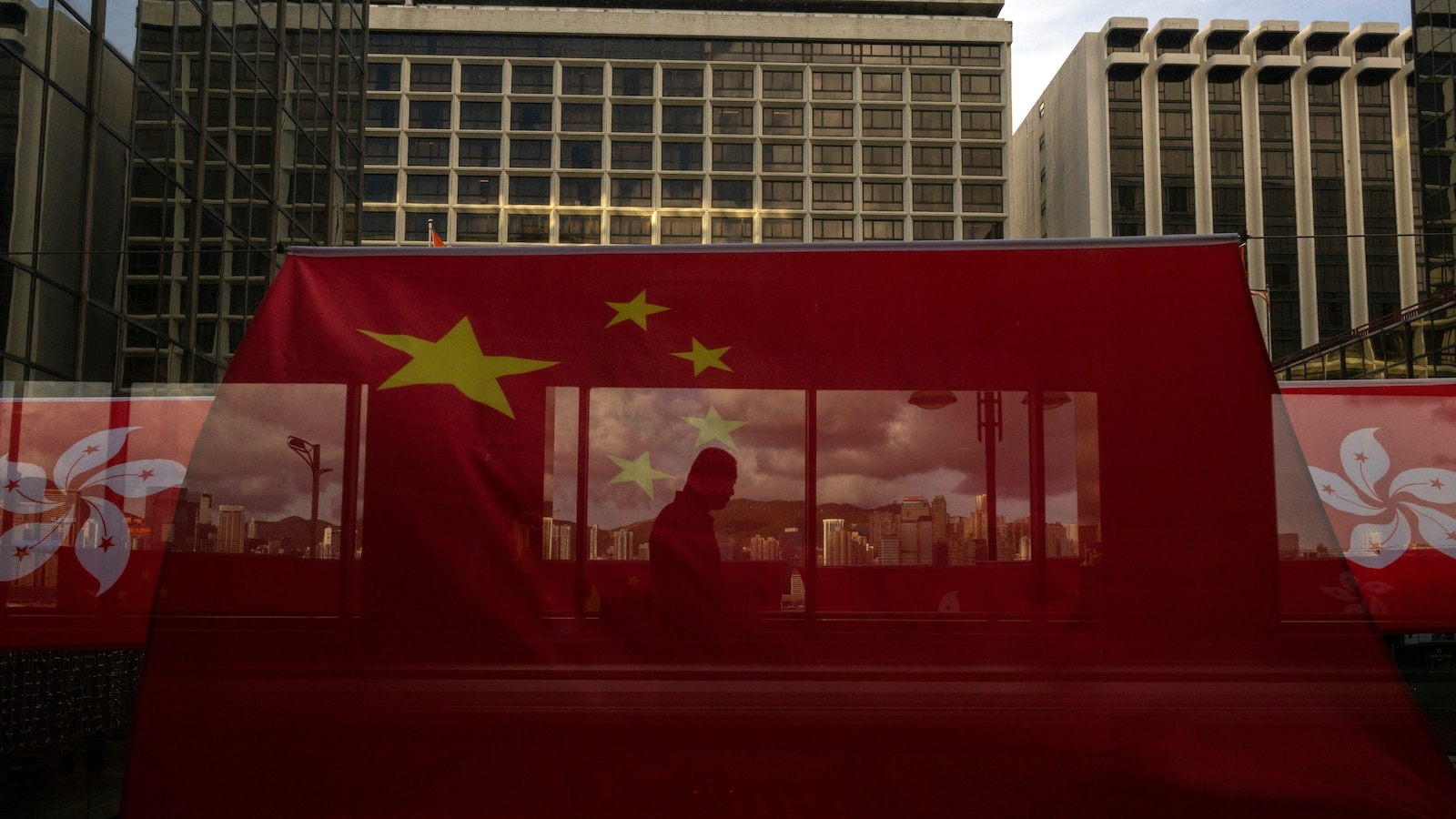
Hong Kong's government has introduced a controversial proposal allowing the Chief Executive to determine what constitutes a national security offense. Critics warn that this move could further erode civil liberties and judicial independence in the region.
Introduction
In a significant development that has raised concerns among human rights advocates and legal experts, the Hong Kong government has proposed a new framework that would empower the Chief Executive to decide what qualifies as a national security offense. This move comes in the wake of the controversial National Security Law implemented in 2020, which has already led to a crackdown on dissent and a chilling effect on free speech.
Details of the Proposal
The proposal, announced by the government earlier this week, seeks to amend existing laws to grant the Chief Executive broad discretion in defining national security offenses. This includes potential actions that could be perceived as endangering national security, a term that has been widely criticized for its vagueness and broad application.
According to government officials, the intention behind this proposal is to enhance the efficiency of law enforcement in addressing threats to national security. However, critics argue that it undermines the rule of law and could lead to arbitrary enforcement against political opponents, activists, and ordinary citizens.
Concerns Over Civil Liberties
Legal experts and human rights organizations have expressed alarm over the implications of this proposal. They argue that granting such powers to the Chief Executive could lead to a further erosion of judicial independence and civil liberties in Hong Kong. The National Security Law has already been criticized for its broad definitions and lack of due process, and this new proposal is seen as a step further in consolidating power within the executive branch.
“This proposal is a dangerous precedent that could allow the government to silence dissent under the guise of national security,” said a spokesperson for a prominent human rights organization. “It is essential that the rule of law is upheld and that citizens are protected from arbitrary actions by the state.”
Background Context
The National Security Law, enacted in June 2020, was introduced by Beijing as a response to the pro-democracy protests that rocked Hong Kong in 2019. The law has been used to target activists, journalists, and political figures, leading to arrests and convictions that many view as politically motivated.
Since its implementation, the law has been criticized both locally and internationally for its potential to stifle free speech and dissent. The new proposal to allow the Chief Executive to define national security offenses is seen as an extension of this trend, raising fears about the future of democracy and civil rights in the city.
International Reactions
Internationally, the proposal has drawn condemnation from various governments and human rights organizations. The United States, the United Kingdom, and the European Union have all expressed concerns over the erosion of freedoms in Hong Kong and have called for the protection of human rights and democratic values.
“The international community is watching closely,” said a representative from the U.S. State Department. “We urge the Hong Kong government to uphold its commitments to the rule of law and to respect the rights of its citizens.”
Conclusion
As the Hong Kong government moves forward with this controversial proposal, the implications for civil liberties and the rule of law in the region remain uncertain. Activists and legal experts continue to advocate for the protection of fundamental rights, warning that the proposed changes could mark a further decline in the freedoms that have long been a hallmark of Hong Kong’s identity.
With public sentiment increasingly polarized, the coming weeks will be crucial in determining how this proposal unfolds and what it means for the future of governance and civil rights in Hong Kong.