Hong Kong Proposes Easing Rules for Dual-Class Share Listings in Competitiveness Push
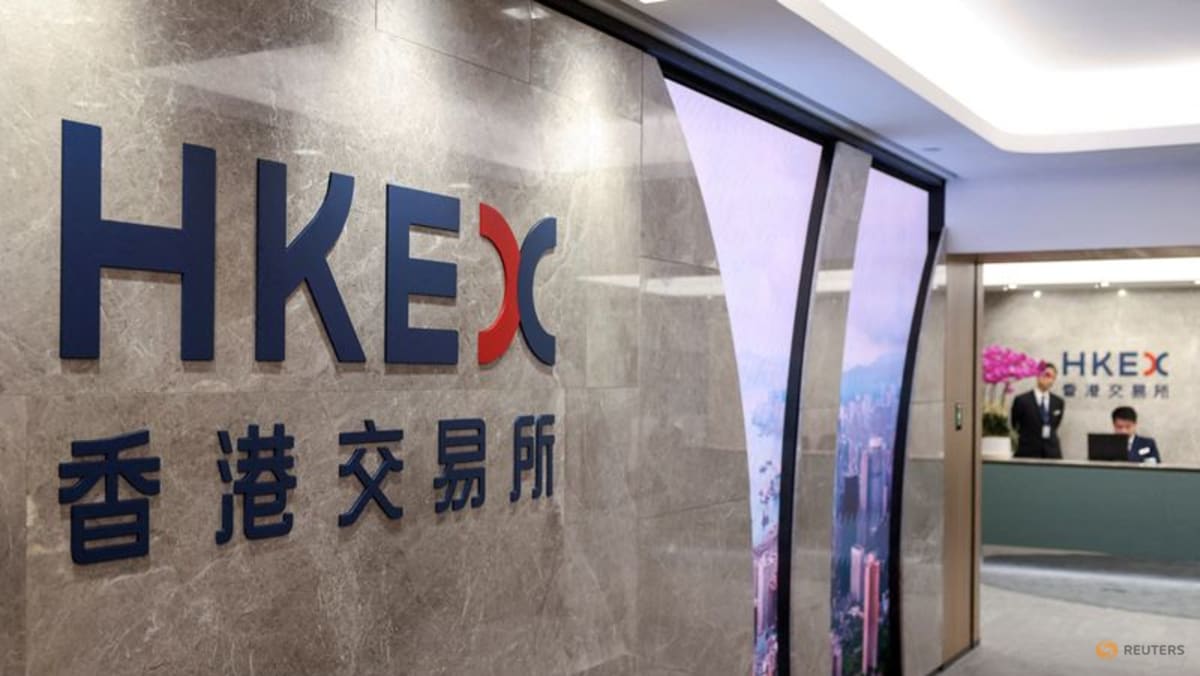
Hong Kong's financial regulators are considering relaxing restrictions on dual-class share listings to enhance the city's competitiveness as a global financial hub. This move aims to attract more technology firms and startups, aligning with global trends in capital markets.
Introduction
In a bid to bolster its status as a leading global financial center, Hong Kong's financial regulators have proposed easing rules surrounding dual-class share listings. This initiative is part of a broader strategy to attract technology firms and startups, which have increasingly favored markets that allow such structures, notably the United States.
Understanding Dual-Class Share Structures
Dual-class share structures allow companies to issue two classes of shares, typically granting one class more voting rights than the other. This arrangement is particularly appealing to founders and executives who wish to maintain control over their companies while still accessing public capital. In recent years, many high-profile tech companies, such as Google and Facebook, have adopted this model, leading to a significant shift in investor preferences.
Current Regulatory Framework
Currently, Hong Kong's stock exchange has stringent rules regarding dual-class listings, primarily aimed at protecting minority shareholders. These regulations have deterred some technology companies from listing in Hong Kong, pushing them to consider other markets, such as the New York Stock Exchange, which has more flexible rules. The proposed changes aim to align Hong Kong's regulations with international standards, making it a more attractive destination for tech firms.
Proposed Changes and Their Implications
The Hong Kong Stock Exchange (HKEX) has indicated that it is reviewing its policies and may introduce new guidelines that would allow dual-class share structures under specific conditions. This could include requirements for companies to maintain a minimum market capitalization or to have a certain percentage of shares available to the public. By relaxing these restrictions, Hong Kong hopes to create a more favorable environment for startups and tech companies looking to raise capital.
Global Trends and Competition
The push to ease dual-class share regulations comes at a time when global competition among financial markets is intensifying. Other financial hubs, such as New York and London, have already embraced dual-class structures, leading to a significant influx of tech listings. Hong Kong's regulators are keenly aware that failing to adapt could result in a continued exodus of high-profile companies seeking more favorable conditions elsewhere.
Responses from Industry Stakeholders
Industry stakeholders have largely welcomed the proposed changes, emphasizing the need for Hong Kong to remain competitive in attracting innovative companies. Many believe that allowing dual-class shares could encourage more tech startups to consider Hong Kong as a viable option for their initial public offerings (IPOs). However, some investor advocacy groups have expressed concerns about the potential risks associated with dual-class structures, arguing that they could undermine shareholder rights and corporate governance.
Conclusion
As Hong Kong seeks to enhance its appeal as a global financial hub, the proposed easing of dual-class share listing rules represents a significant shift in regulatory policy. If implemented, these changes could pave the way for a new wave of technology firms to enter the Hong Kong market, fostering innovation and economic growth. However, the balance between attracting investment and protecting shareholder interests will be crucial as regulators move forward with these proposals.