Hong Kong Proposes Eased Regulations for Major Deals and Spin-Offs
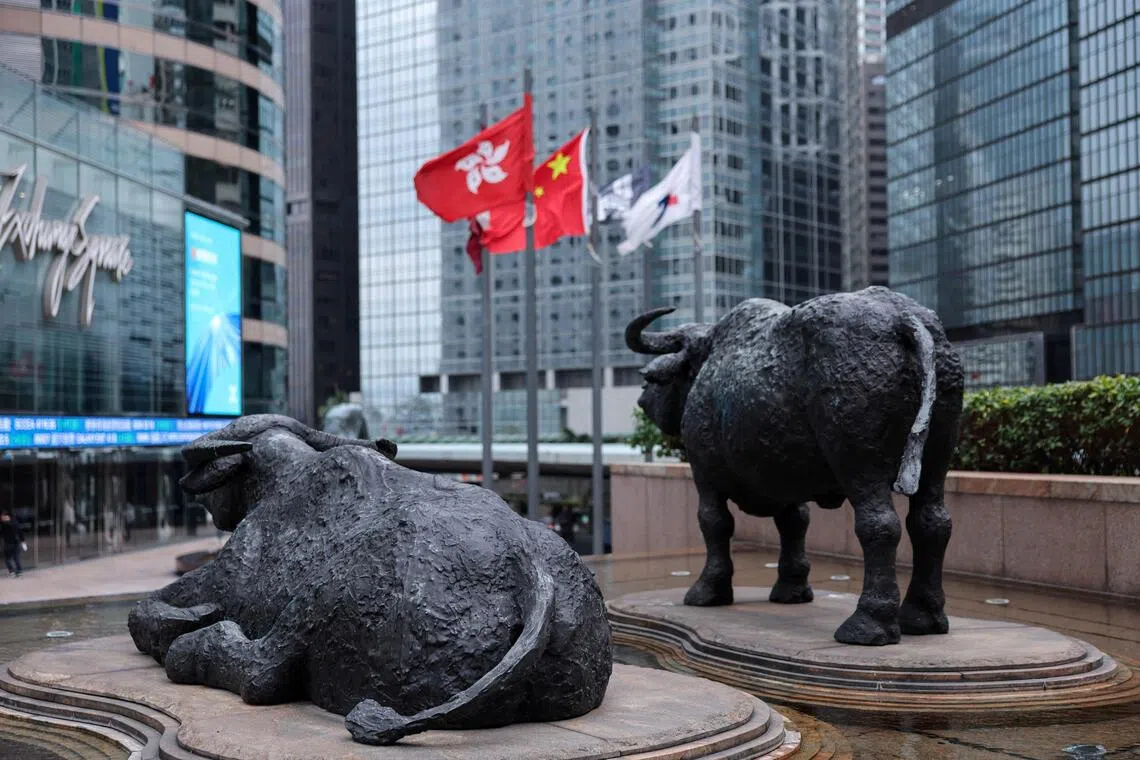
Hong Kong's Financial Services and the Treasury Bureau has unveiled plans to simplify regulations surrounding large corporate transactions and spin-offs. This initiative aims to enhance the city’s attractiveness as a global financial hub amidst increasing competition.
Introduction
In a significant move to bolster its position as a leading financial center, Hong Kong's Financial Services and the Treasury Bureau has proposed a series of regulatory changes aimed at facilitating large corporate transactions and spin-offs. The proposed measures are designed to streamline processes and reduce bureaucratic hurdles, making it easier for companies to execute substantial deals in the region.
Details of the Proposed Changes
The new proposals, which are currently open for public consultation, focus on simplifying the regulatory framework surrounding mergers, acquisitions, and spin-offs. One of the key changes includes the introduction of a more flexible approval process for large transactions, which could significantly reduce the time and resources required for companies to navigate the existing regulatory landscape.
Currently, companies looking to engage in large deals often face a lengthy and complex approval process, which can deter potential investments and hinder business growth. The proposed changes aim to create a more efficient system that aligns with international best practices, thereby enhancing Hong Kong's competitiveness as a destination for corporate investment.
Rationale Behind the Changes
Officials from the Financial Services and the Treasury Bureau have emphasized that these regulatory enhancements are crucial for attracting foreign investment and fostering a more dynamic business environment. As global competition intensifies, particularly from other financial hubs in Asia, Hong Kong must adapt to maintain its status as a premier destination for corporate activity.
Moreover, the proposed changes come at a time when many companies are exploring strategic options to optimize their operations and maximize shareholder value. By easing the regulatory burden associated with large deals, Hong Kong is positioning itself as a more appealing option for companies looking to restructure or expand through mergers and acquisitions.
Industry Reactions
The response from the business community has been largely positive, with many industry leaders expressing support for the proposed changes. Business associations and corporate executives have long advocated for a more streamlined regulatory process, arguing that the current system is overly cumbersome and inhibits growth.
“These proposed changes are a step in the right direction,” said a spokesperson for the Hong Kong General Chamber of Commerce. “By simplifying the approval process for large deals, we can encourage more companies to consider Hong Kong as a viable option for their corporate strategies.”
Potential Impact on the Market
If implemented, the proposed regulatory changes could have a profound impact on the Hong Kong market. Analysts predict that easing the rules surrounding large transactions could lead to an increase in mergers and acquisitions, driving economic growth and creating new opportunities for businesses across various sectors.
Furthermore, as companies increasingly seek to optimize their operations in response to changing market conditions, the ability to execute spin-offs and other strategic transactions more efficiently could prove invaluable. This could lead to a more vibrant corporate landscape, with increased innovation and competition among businesses.
Conclusion
As Hong Kong seeks to reaffirm its status as a global financial hub, the proposed regulatory changes represent a critical step towards enhancing its appeal to international investors. By simplifying the process for large deals and spin-offs, the city aims to create a more conducive environment for business growth and investment, ultimately benefiting the broader economy.
As the public consultation period progresses, stakeholders from various sectors will be closely monitoring the developments, eager to see how these changes will shape the future of corporate transactions in Hong Kong.