Hong Kong Proposes 10,000 Permits for Ride-Hailing Drivers Amid Growing Demand
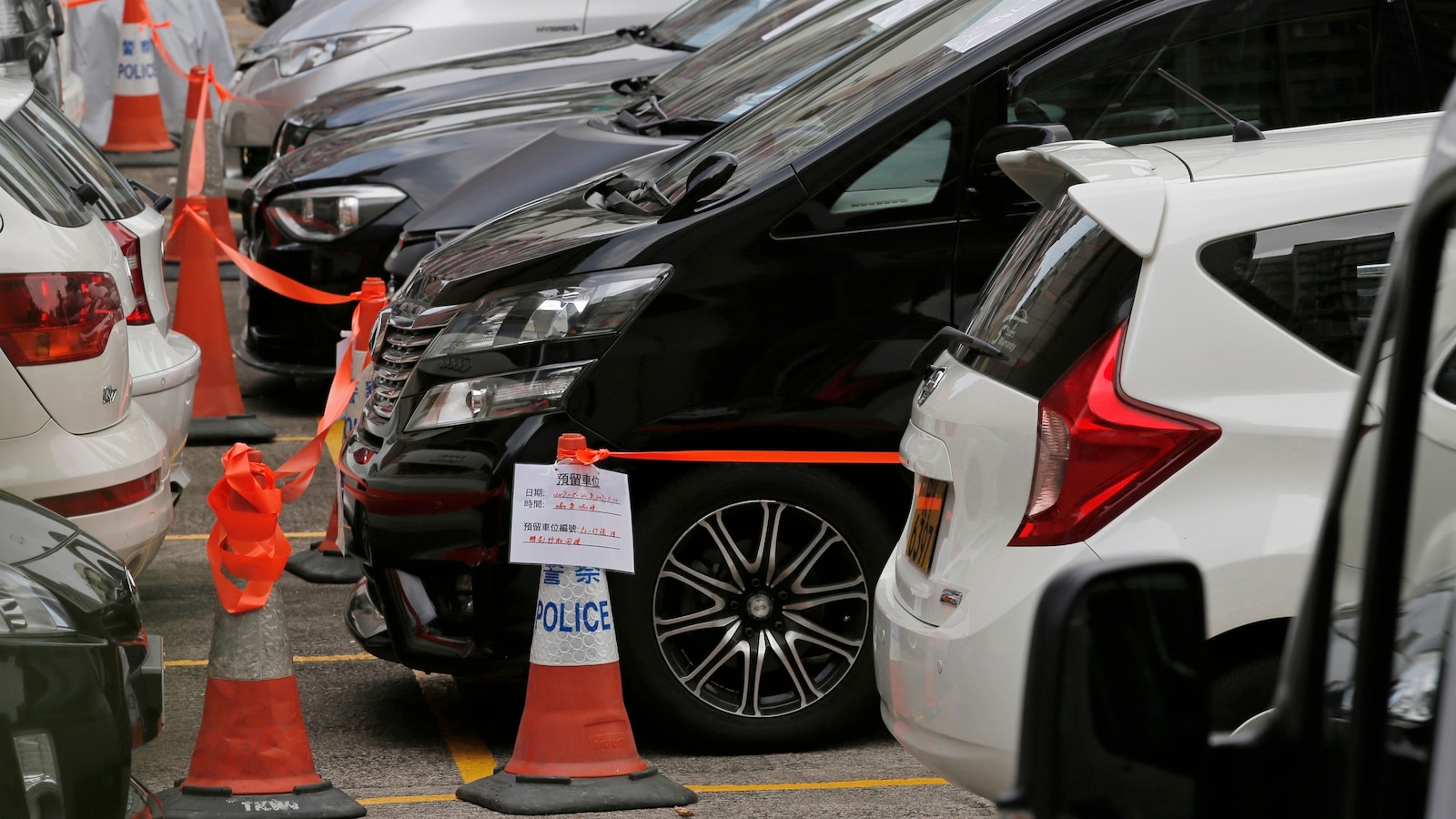
Hong Kong's government has announced plans to issue 10,000 permits for drivers on ride-hailing platforms like Uber. This move aims to regulate the burgeoning sector and address the increasing demand for flexible transportation options in the city.
Introduction
In a significant move to regulate the burgeoning ride-hailing industry, the Hong Kong government has proposed the issuance of 10,000 permits for drivers operating on platforms such as Uber. This initiative comes as the demand for flexible and convenient transportation options continues to rise in the densely populated city, highlighting the need for a structured approach to ride-hailing services.
Background of Ride-Hailing in Hong Kong
Ride-hailing services have gained immense popularity in Hong Kong over the past few years, offering residents an alternative to traditional taxi services. The convenience of booking rides through mobile applications has transformed the way people navigate the city, particularly in a region known for its bustling streets and high demand for transportation. However, the rapid growth of this sector has also raised concerns regarding safety, regulation, and fair competition.
Government's Proposal
The Hong Kong Transport and Logistics Bureau announced the proposal to issue 10,000 permits as part of a broader strategy to regulate the ride-hailing industry effectively. This initiative aims to ensure that drivers meet specific safety and operational standards, thereby enhancing the overall quality of service provided to passengers. The government believes that by formalizing the industry, it can better manage the dynamics between ride-hailing services and traditional taxi operators.
Regulatory Framework
Under the proposed regulations, drivers seeking to obtain a permit will need to undergo background checks, vehicle inspections, and training to ensure they comply with safety standards. This regulatory framework is designed to protect consumers and promote fair competition within the transportation sector. Additionally, the government plans to implement measures that will help address issues related to insurance and liability, which have been contentious points in discussions surrounding ride-hailing services.
Industry Response
The response from the ride-hailing industry has been largely positive, with many operators welcoming the government's efforts to create a more structured environment. Industry stakeholders believe that a regulated framework will not only enhance safety for passengers but also provide drivers with better working conditions and protections. However, some critics argue that the proposed number of permits may not be sufficient to meet the growing demand for ride-hailing services in the city.
Public Reaction
Public opinion on the proposal has been mixed. While many residents appreciate the potential for improved safety and service quality, others express concerns about the impact on traditional taxi services. The introduction of ride-hailing permits could lead to increased competition, which may benefit consumers but could also pose challenges for existing taxi operators who are already facing difficulties in adapting to the changing landscape of urban transportation.
Future Outlook
As the Hong Kong government moves forward with its proposal, the future of ride-hailing services in the city remains uncertain. The outcome of this initiative will likely depend on how effectively the government can balance the interests of various stakeholders, including passengers, drivers, and traditional taxi operators. If implemented successfully, the permit system could pave the way for a more regulated and sustainable ride-hailing industry, ultimately benefiting the residents of Hong Kong.
Conclusion
The proposal to issue 10,000 permits for ride-hailing drivers marks a significant step towards regulating a rapidly growing industry in Hong Kong. As the city continues to evolve, the government's ability to adapt its policies to meet the needs of its residents will be crucial in shaping the future of transportation in this vibrant metropolis.