Hong Kong Prison Service Withdraws AI-Generated K-Pop Ad Amid Controversy
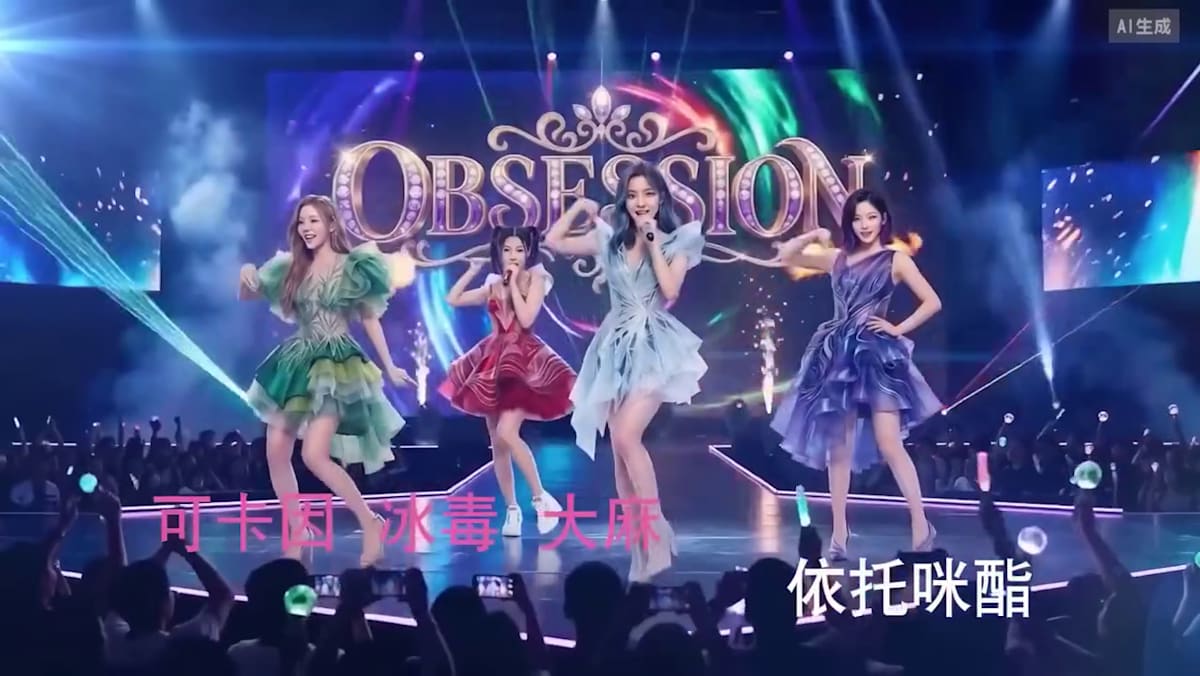
The Hong Kong Prison Service has retracted a controversial AI-generated advertisement featuring K-pop elements after it sparked backlash over its anti-drug messaging. Critics argue that the ad trivialized serious issues surrounding drug abuse and rehabilitation.
Introduction
The Hong Kong Prison Service has recently found itself at the center of a public relations debacle after launching an AI-generated advertisement that aimed to promote anti-drug messages through the lens of K-pop culture. The ad, which featured vibrant visuals and catchy tunes reminiscent of popular K-pop music videos, was intended to resonate with younger audiences. However, the campaign has drawn significant criticism, leading to its swift withdrawal.
The Controversial Ad
Initially released as part of a broader initiative to combat drug abuse and promote rehabilitation, the advertisement showcased animated characters styled after K-pop idols engaging in various activities. The intention was to create a relatable and engaging message that would resonate with youth, encouraging them to steer clear of drugs. However, the execution of the ad quickly became a point of contention.
Public Backlash
Critics argued that the use of K-pop aesthetics trivialized the serious nature of drug addiction and recovery. Many felt that the ad's lighthearted approach undermined the gravity of the issues it aimed to address. Social media platforms erupted with comments from users who found the juxtaposition of vibrant K-pop imagery with the somber realities of drug abuse to be inappropriate and insensitive.
One prominent voice in the debate was a local youth advocate, who stated, "Using K-pop to address drug issues sends mixed messages to young people. It risks glamorizing a lifestyle that is far removed from the struggles of addiction and recovery." This sentiment was echoed by various community leaders and mental health professionals, who expressed concerns that the ad could inadvertently encourage risky behaviors rather than deter them.
Withdrawal of the Advertisement
In response to the mounting criticism, the Hong Kong Prison Service announced the immediate withdrawal of the advertisement. A spokesperson for the agency stated, "We acknowledge the feedback from the community and recognize that our approach did not resonate as intended. We are committed to finding more effective ways to communicate our anti-drug messages in the future." This decision reflects a growing awareness among public institutions of the importance of sensitivity in messaging, particularly when addressing complex social issues.
Implications for Future Campaigns
The incident has sparked a broader conversation about the role of creative marketing in public health campaigns. Experts suggest that while innovative approaches can engage younger audiences, they must be carefully crafted to ensure they convey the intended message without trivializing the subject matter. The use of popular culture references, such as K-pop, can be effective, but it requires a nuanced understanding of the audience's perceptions and the seriousness of the issues at hand.
Community Reactions
The community's reaction to the ad's withdrawal has been mixed. Some applauded the prison service for listening to public feedback and taking swift action, while others expressed disappointment that the initiative had to be scrapped entirely. "It's a shame that a creative idea was pulled, but I understand the concerns," said a local resident. "We need to find ways to talk about drugs that are both engaging and respectful of those who struggle with addiction."
Conclusion
The Hong Kong Prison Service's experience serves as a cautionary tale for public health campaigns that seek to leverage popular culture. As society grapples with pressing issues like drug addiction, it is crucial that messaging remains respectful and sensitive to the complexities of the topic. Moving forward, the challenge will be to strike a balance between creativity and responsibility in order to foster meaningful dialogue and promote healthier choices among the youth.