Hong Kong Police Granted Power to Demand Phone Passwords Under National Security Law
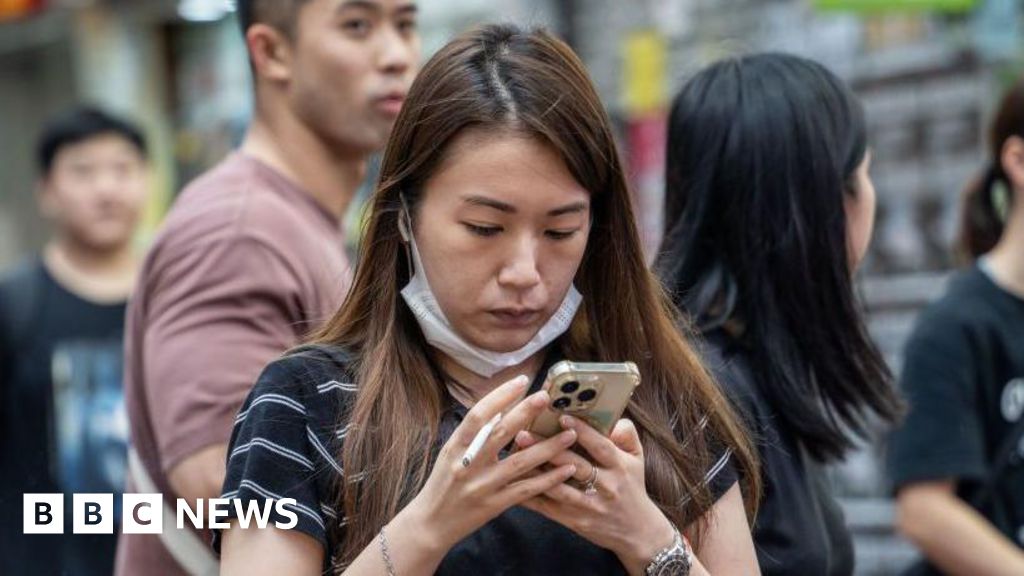
The Hong Kong police have been granted new powers to demand individuals' phone passwords under the controversial National Security Law. This move raises concerns regarding privacy and civil liberties in the region.
New Powers for Law Enforcement
The Hong Kong police have been empowered to demand individuals' phone passwords as part of their enforcement of the National Security Law, a development that has sparked significant concern among civil rights advocates and the general public. This controversial law, enacted in June 2020, has been criticized for its potential to erode freedoms in the semi-autonomous region, and the latest measures are seen as a further tightening of governmental control.
Background of the National Security Law
Implemented amidst widespread protests against Beijing's increasing influence, the National Security Law aims to curb dissent and promote stability. It criminalizes acts of secession, subversion, terrorism, and collusion with foreign forces, with penalties that can include life imprisonment. Since its introduction, the law has been used to arrest numerous activists, journalists, and opposition figures, raising alarms about the future of free speech and political expression in Hong Kong.
Implications of Password Demands
The new directive allows police to compel individuals to unlock their mobile devices, potentially granting access to personal communications, photos, and sensitive information. Critics argue that this infringes on privacy rights and could deter individuals from exercising their freedom of speech, knowing that their digital interactions may be scrutinized by authorities.
Reactions from Civil Liberties Groups
Human rights organizations have condemned the move, stating it represents a significant escalation in the erosion of civil liberties in Hong Kong. Amnesty International's Asia-Pacific Director, Yamini Mishra, expressed concern that the police's ability to demand passwords could lead to a chilling effect on free expression, as individuals may fear repercussions for their online activities.
Government's Defense of the Law
In response to the backlash, Hong Kong authorities have defended the National Security Law as a necessary measure to restore order and protect national sovereignty. Officials argue that the ability to access digital devices is crucial for investigating serious crimes related to national security. They maintain that the law is aimed at safeguarding the public and ensuring the stability of the region.
Public Sentiment
Public opinion on the National Security Law remains deeply divided. While some residents support the government's efforts to restore order, many others express fears that the law is being used to suppress dissent and silence opposition. The demand for phone passwords has intensified these fears, with many citizens questioning the extent of government overreach in their daily lives.
International Concerns
The international community has also reacted with alarm to the developments in Hong Kong. Western governments and human rights organizations have criticized the law and its implementation, calling for the protection of fundamental freedoms and the rule of law in the region. The United States and European Union have imposed sanctions on Hong Kong officials in response to the perceived violations of human rights.
Conclusion
The Hong Kong police's new authority to demand phone passwords under the National Security Law marks a significant moment in the ongoing struggle between civil liberties and government control in the region. As the situation continues to evolve, the implications for privacy, freedom of expression, and the future of democracy in Hong Kong remain uncertain. The global community watches closely, as the actions taken by the Hong Kong government could set a precedent for similar measures in other jurisdictions.