Hong Kong Officials Warn Booksellers About National Security Risks Following Raids
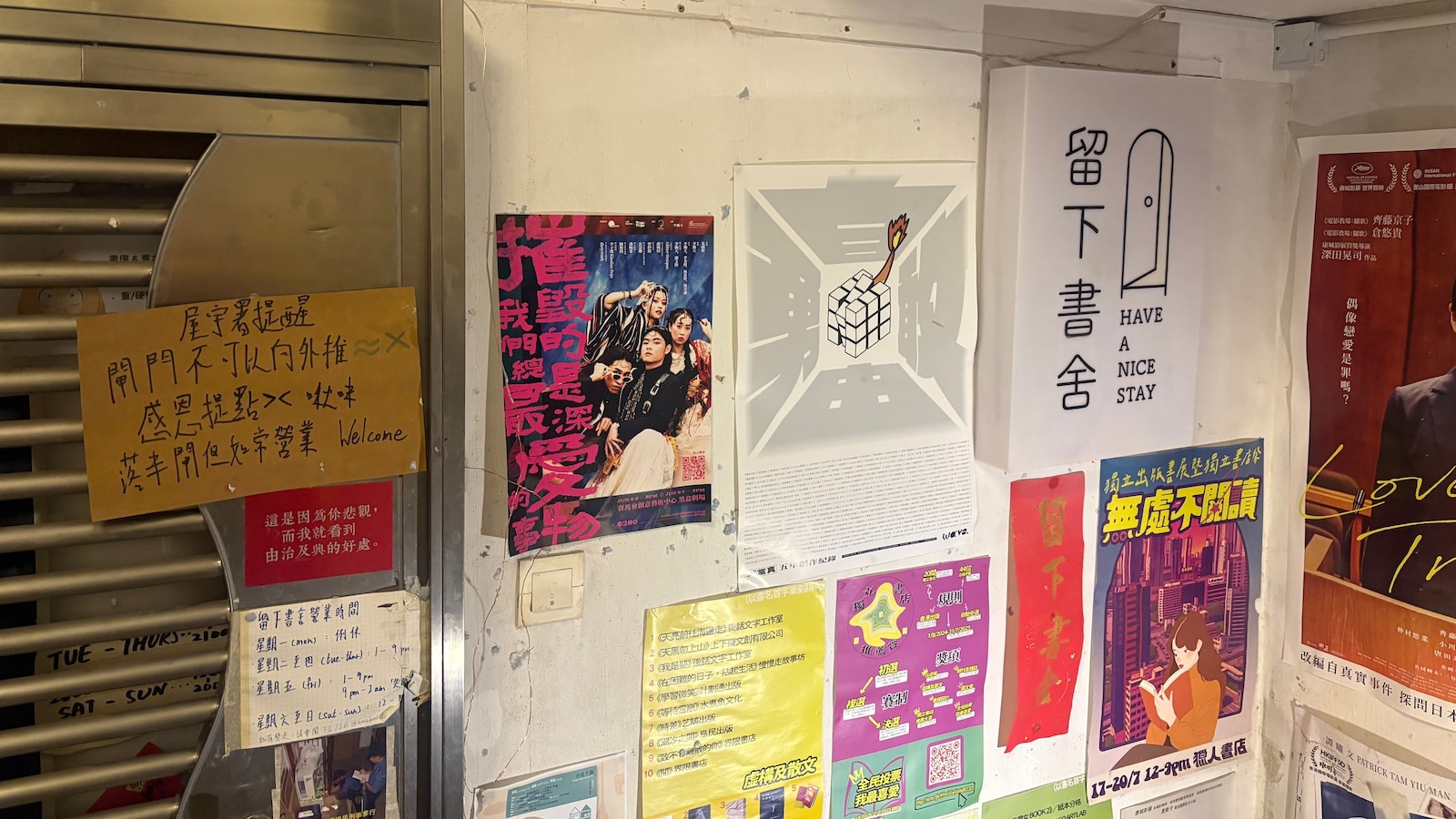
Hong Kong authorities have issued a warning to booksellers regarding the potential security risks associated with their inventory after recent raids. Officials emphasize the importance of ensuring that titles do not pose a threat to national security.
Introduction
In a significant move that underscores the ongoing tensions surrounding freedom of expression in Hong Kong, officials have issued a stern warning to booksellers about the potential national security risks associated with their inventory. This development follows a series of high-profile raids on bookstores, which have raised concerns among the public and the literary community alike.
Background of the Raids
Recent raids on bookstores in Hong Kong have highlighted the precarious situation for publishers and booksellers in the region. These actions have been interpreted as part of a broader crackdown on dissent and free speech following the implementation of the National Security Law in 2020. The law has been criticized for its vague definitions and broad scope, allowing authorities to target a wide range of activities deemed harmful to national security.
Official Statements
In response to the raids, a Hong Kong official has urged booksellers to carefully consider the titles they carry, emphasizing the need to avoid any content that could be interpreted as a threat to national security. The official stated, "Booksellers should ensure that the titles they offer will not harm national security," reflecting a growing trend of self-censorship among publishers and retailers.
The Impact on Booksellers
The warning has sent ripples through the bookselling community, which has traditionally been a bastion of free thought and expression in Hong Kong. Many booksellers are now grappling with the implications of this directive, as they face the difficult decision of whether to continue carrying titles that could be considered politically sensitive. The fear of repercussions from the authorities has led some to reconsider their inventory, potentially stifling the diversity of voices and narratives available to the public.
Public Reaction
The public's reaction to the government's warning has been mixed. While some citizens express understanding of the government's position in the context of national security, others view the move as an infringement on personal freedoms and a threat to the cultural fabric of Hong Kong. The literary community, in particular, has voiced concerns that these developments could lead to a chilling effect on writers and publishers, who may feel pressured to avoid controversial topics.
Historical Context
This situation is not unprecedented. Hong Kong has a rich history of literary freedom, with bookstores often serving as venues for political discourse and the exchange of ideas. However, since the introduction of the National Security Law, many have observed a marked decline in the openness of the literary scene. The fear of censorship has led to a reduction in the publication of works that challenge the status quo, raising alarms about the future of free expression in the region.
Conclusion
As Hong Kong grapples with the implications of national security on its cultural landscape, the warning to booksellers serves as a stark reminder of the delicate balance between security and freedom. The ongoing situation raises critical questions about the future of literature and expression in a city that has long been celebrated for its vibrant and diverse cultural scene. The coming months will be crucial in determining how booksellers navigate these challenges and whether the literary community can continue to thrive in the face of increasing scrutiny.