Hong Kong Monetary Authority Set to Issue First Stablecoin Licenses by March
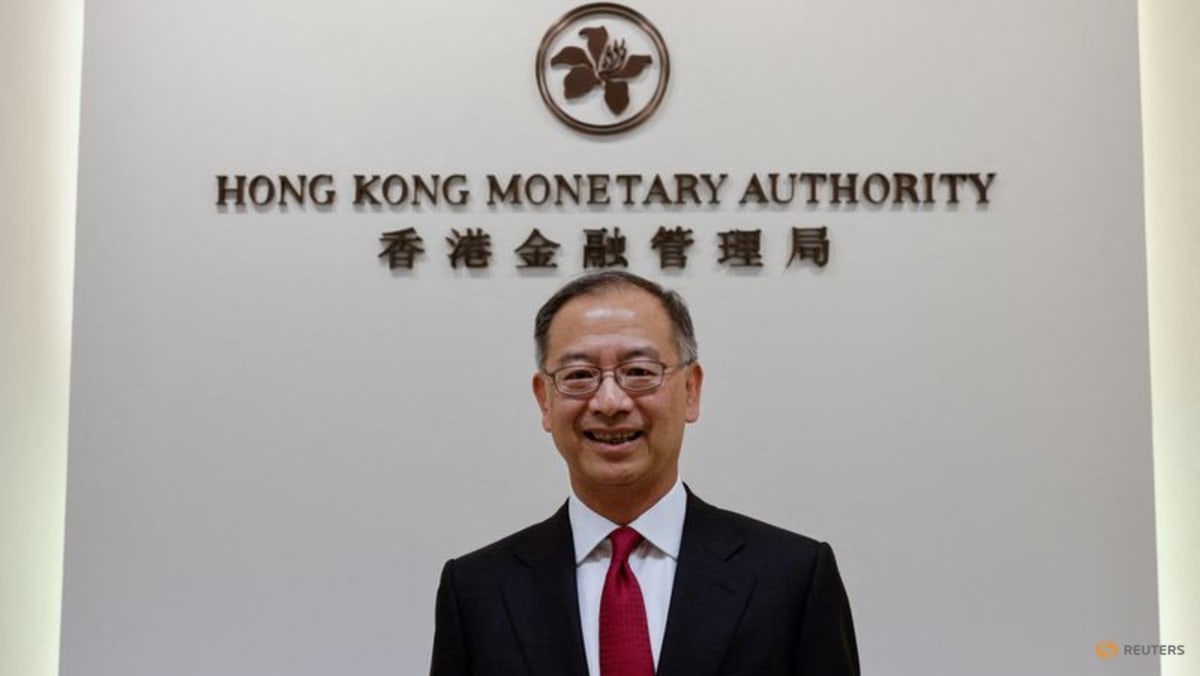
The Hong Kong Monetary Authority (HKMA) is preparing to issue its first licenses for stablecoin operations by March. This move aims to position Hong Kong as a leading hub for digital currencies and enhance regulatory clarity in the burgeoning cryptocurrency market.
Introduction
The Hong Kong Monetary Authority (HKMA) is poised to make significant strides in the digital currency landscape by issuing its first stablecoin licenses as early as March. This initiative marks a pivotal moment for Hong Kong as it seeks to establish itself as a global leader in financial innovation and cryptocurrency regulation.
Regulatory Framework for Stablecoins
In a bid to create a robust regulatory framework, the HKMA has been actively engaging with industry stakeholders to ensure that the licensing process is comprehensive and transparent. The authority's approach aims to balance innovation with the need for consumer protection and financial stability. By introducing a licensing regime, the HKMA hopes to mitigate risks associated with the use of stablecoins, such as fraud and market volatility, while fostering a secure environment for digital asset transactions.
Importance of Stablecoins
Stablecoins have gained popularity due to their potential to provide a more stable alternative to traditional cryptocurrencies, which are often subject to extreme price fluctuations. These digital currencies are typically pegged to a stable asset, such as the US dollar or gold, making them attractive for both consumers and businesses looking for a reliable medium of exchange. As the demand for stablecoins continues to rise, the HKMA's initiative could position Hong Kong as a key player in the global stablecoin market.
Global Context and Competitiveness
Hong Kong's decision to issue stablecoin licenses comes at a time when many jurisdictions around the world are grappling with how to regulate digital currencies. Countries like the United States and the European Union are also exploring frameworks to govern the use of cryptocurrencies and stablecoins. By moving forward with its licensing process, Hong Kong aims to attract innovative companies and investment, thereby enhancing its competitiveness on the global stage.
Industry Reactions
The announcement has been met with enthusiasm from industry participants who view the licensing as a step towards greater legitimacy for the cryptocurrency sector. Many believe that a clear regulatory framework will not only protect consumers but also encourage more businesses to adopt stablecoins for everyday transactions. "This is a significant milestone for the cryptocurrency industry in Hong Kong and a clear signal that the HKMA is committed to fostering innovation while ensuring regulatory compliance," said a spokesperson from a leading cryptocurrency exchange.
Future Implications
As the HKMA prepares to roll out its stablecoin licenses, the implications for the broader financial ecosystem are substantial. The introduction of regulated stablecoins could enhance the efficiency of cross-border payments, streamline remittances, and foster the growth of decentralized finance (DeFi) applications. Furthermore, it may pave the way for the development of a digital Hong Kong dollar, which has been a topic of discussion among policymakers.
Conclusion
The HKMA's initiative to issue stablecoin licenses by March represents a crucial step in shaping the future of digital currencies in Hong Kong. As the region embraces innovation while prioritizing regulatory oversight, it is set to become a significant player in the evolving landscape of global finance. Stakeholders across the industry will be closely watching the developments as they unfold, eager to see how Hong Kong's regulatory framework will influence the future of stablecoins and digital currencies worldwide.