Hong Kong Media Tycoon Jimmy Lai Sentenced to 20 Years in Prison
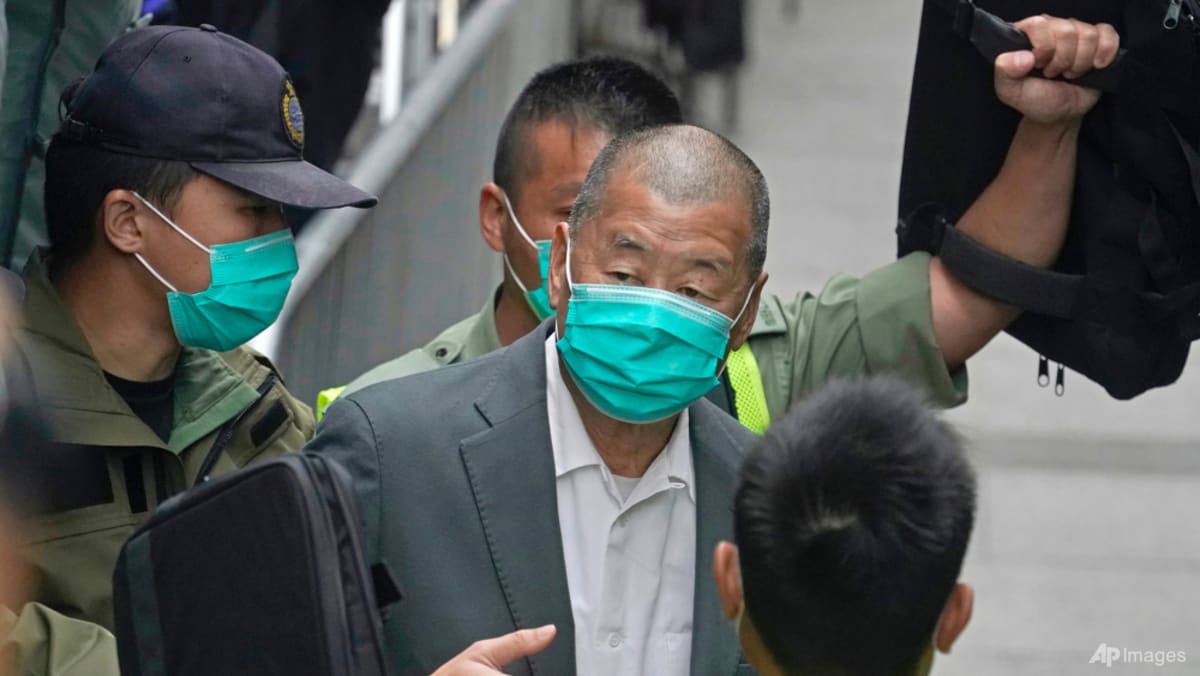
Jimmy Lai, the prominent media tycoon and founder of Apple Daily, has been sentenced to 20 years in prison following a national security trial. The verdict underscores the ongoing crackdown on dissent in Hong Kong and raises concerns about press freedom in the region.
Introduction
In a landmark ruling that has sent shockwaves through the media landscape, Hong Kong media tycoon Jimmy Lai has been sentenced to 20 years in prison. The verdict was handed down by the Hong Kong High Court, following a national security trial that has drawn international condemnation and raised serious concerns about the future of press freedom in the city.
Background on Jimmy Lai
Jimmy Lai, the founder of the now-defunct pro-democracy newspaper Apple Daily, has been a vocal critic of the Chinese government and a staunch advocate for democracy in Hong Kong. His media outlet was known for its fearless reporting and criticism of the authorities, making it a target in the wake of the national security law imposed by Beijing in 2020.
Details of the Sentencing
The sentencing comes after Lai was convicted on multiple charges, including conspiracy to collude with foreign forces and other offenses related to the national security law. The court's decision reflects the Hong Kong government's ongoing efforts to silence dissent and curb freedom of expression in the region.
Reactions from the International Community
The ruling has sparked outrage among human rights advocates and foreign governments, who view it as part of a broader campaign to stifle free speech and suppress opposition in Hong Kong. The United States, the United Kingdom, and various human rights organizations have condemned the verdict, calling for Lai's immediate release and urging the Hong Kong government to uphold its commitments to human rights and press freedom.
Implications for Press Freedom
Lai's sentencing has raised alarms about the future of journalism in Hong Kong. With the closure of Apple Daily in June 2021, following a police raid and the arrest of its senior staff, many fear that the city is witnessing the end of independent media. The chilling effect of the national security law has led to self-censorship among journalists, who are wary of the repercussions of reporting on sensitive topics.
Local Response
In Hong Kong, reactions to Lai's sentencing have been mixed. While pro-democracy supporters have rallied in support of Lai and called for his release, pro-Beijing factions have applauded the court's decision, viewing it as a necessary step to restore order and stability in the city. The divide reflects the deepening polarization within Hong Kong society, exacerbated by the political turmoil of recent years.
Conclusion
The sentencing of Jimmy Lai marks a significant moment in Hong Kong's ongoing struggle for democracy and freedom of expression. As the city grapples with the implications of the national security law, the international community watches closely, concerned about the erosion of civil liberties and the future of independent journalism in the region. Lai's case serves as a stark reminder of the challenges faced by those who dare to speak out against authority in an increasingly repressive environment.