Hong Kong Media Tycoon Jimmy Lai Sentenced to 20 Years in National Security Trial
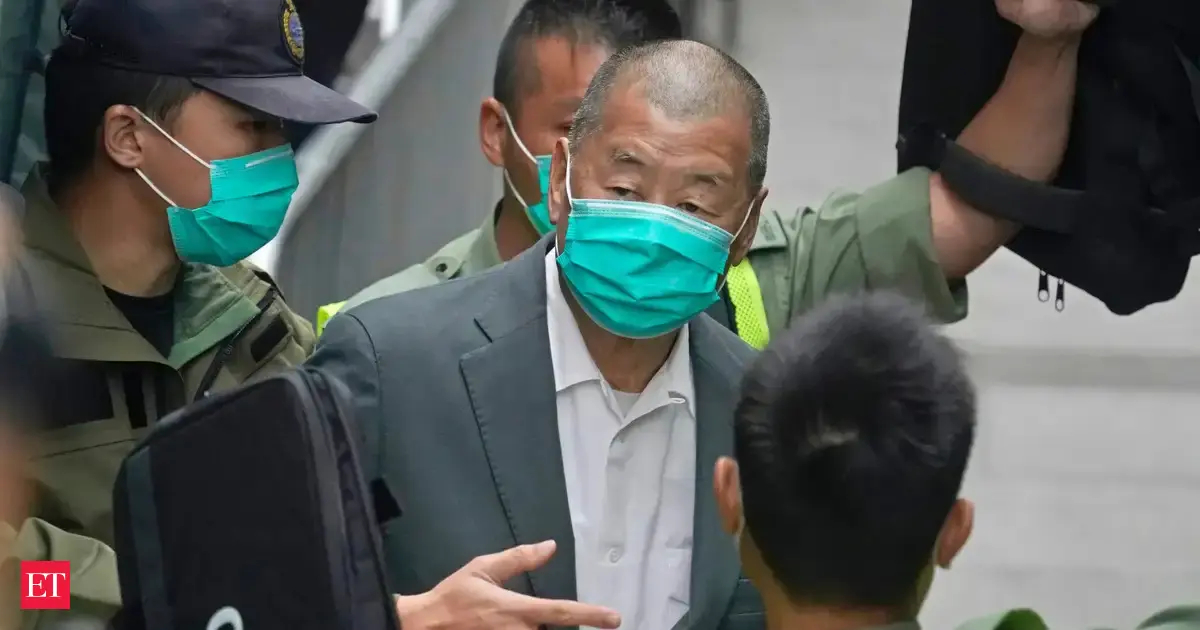
Jimmy Lai, the prominent Hong Kong media tycoon and founder of the pro-democracy newspaper Apple Daily, has been sentenced to a total of 20 years in prison following a national security trial. This ruling marks a significant moment in the ongoing crackdown on dissent in Hong Kong, raising concerns about press freedom and human rights in the region.
Introduction
In a landmark ruling that has sent shockwaves through both local and international communities, Hong Kong media tycoon Jimmy Lai has been sentenced to a total of 20 years in prison. The founder of the now-defunct pro-democracy newspaper Apple Daily was convicted on multiple charges under the controversial national security law imposed by Beijing. This sentence represents one of the most severe penalties handed down to a prominent figure in Hong Kong's pro-democracy movement.
Background of the Case
Jimmy Lai, a vocal critic of the Chinese Communist Party and a staunch advocate for democracy in Hong Kong, was arrested in August 2020 during a sweeping crackdown on dissent following the implementation of the national security law. The law, which has been widely criticized for undermining freedoms in the semi-autonomous region, criminalizes acts of secession, subversion, terrorism, and collusion with foreign forces.
Lai's trial, which concluded recently, focused on charges that included conspiracy to collude with foreign forces and other related offenses. The prosecution argued that Lai had used his media platform to incite unrest and promote foreign sanctions against Hong Kong and China. In contrast, Lai's defense maintained that his actions were protected under the rights to free speech and press, fundamental tenets that have historically been upheld in Hong Kong.
The Sentencing
On the day of the sentencing, the judge emphasized the severity of Lai's actions, stating that they posed a significant threat to national security. The total sentence of 20 years comprises multiple terms for different charges, reflecting the court's stance on the seriousness of the offenses. This ruling has been met with widespread condemnation from human rights organizations, foreign governments, and media advocacy groups, who argue that it represents a blatant attack on press freedom and civil liberties.
Reactions from the International Community
The sentencing of Jimmy Lai has drawn sharp criticism from various international bodies. The United States State Department condemned the ruling as a politically motivated act aimed at silencing dissent. Secretary of State Antony Blinken stated, "The United States stands with the people of Hong Kong in their struggle for freedom and democracy. We call for the immediate release of all political prisoners, including Jimmy Lai."
Similarly, the European Union has expressed its concerns regarding the erosion of rights and freedoms in Hong Kong, calling for the respect of the rule of law and fundamental freedoms. The EU's foreign policy chief described the sentence as a further step in the ongoing repression of free expression in the region.
Implications for Press Freedom in Hong Kong
Lai's conviction and sentencing have raised alarm bells regarding the future of press freedom in Hong Kong. The Apple Daily, once a leading voice for pro-democracy sentiments, was forced to shut down in June 2021 following a police raid and the arrest of its executives. Lai's case exemplifies the chilling effect that the national security law has had on journalists and media outlets, leading to self-censorship and a significant decline in investigative reporting.
Media experts warn that the crackdown on Lai and other journalists sends a clear message: dissent will not be tolerated. This situation poses a dire threat to the diversity of voices and opinions that have historically characterized Hong Kong's vibrant media landscape.
Conclusion
The sentencing of Jimmy Lai marks a critical juncture in Hong Kong's ongoing struggle for democracy and freedom of expression. As the city grapples with the implications of the national security law, the international community watches closely, advocating for the rights of individuals and the preservation of press freedom. The future remains uncertain, but the resilience of those who continue to fight for democracy in Hong Kong is unwavering.