Hong Kong Leader Remains Noncommittal on Potential Second Term
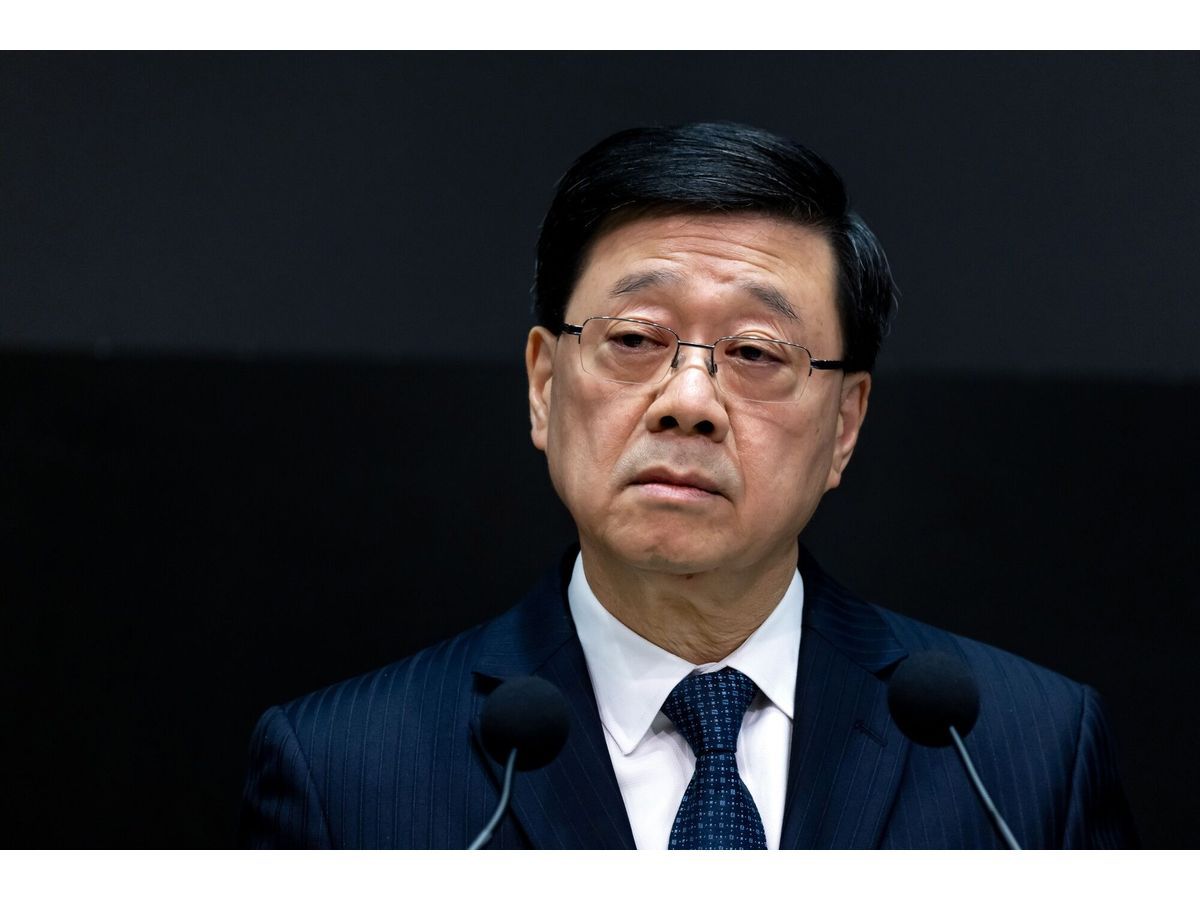
Hong Kong's Chief Executive, John Lee, has stated that he has not yet considered the possibility of a second term in office. His remarks come amidst ongoing discussions about the future leadership of the city and its political landscape.
Hong Kong Leader Remains Noncommittal on Potential Second Term
In a recent statement, Hong Kong's Chief Executive John Lee has indicated that he has not yet given serious thought to the possibility of seeking a second term in office. This announcement comes at a time when the political environment in the city remains complex and fluid, with various factors influencing the leadership landscape.
During a press conference, Lee emphasized his focus on current responsibilities rather than future ambitions. "I have not considered my next term at this moment. My priority is to serve the people of Hong Kong and address the pressing issues we face today," he stated. This remark has sparked discussions among political analysts and the public regarding the implications of his leadership style and the future of Hong Kong's governance.
John Lee, who took office in July 2022, succeeded Carrie Lam and was the first leader to be elected under the new electoral system implemented by Beijing. His administration has faced significant challenges, including economic recovery post-COVID-19, rising housing costs, and ongoing tensions related to political freedoms and civil liberties in the city.
Lee's leadership has been characterized by a strong alignment with Beijing, which has raised eyebrows among pro-democracy advocates and some segments of the population. Critics argue that his administration has prioritized stability and security over democratic reforms, leading to a more polarized political climate.
The question of Lee's potential re-election is particularly pertinent as the city prepares for the next electoral cycle. While he has not ruled out the possibility of running again, his current focus appears to be on addressing immediate challenges, including the economy and public health. "We need to ensure that our policies are effective and that we are responsive to the needs of our citizens," he remarked.
Political analysts suggest that Lee's noncommittal stance may be a strategic move, allowing him to navigate the complexities of public sentiment and the expectations of Beijing. As the city grapples with its identity and governance, the Chief Executive's future remains uncertain, reflecting broader uncertainties within Hong Kong's political framework.
In recent months, there has been a growing discourse around the need for a more inclusive approach to governance, with calls for greater public participation in decision-making processes. Lee's administration has faced criticism for its perceived lack of transparency and engagement with civil society, which some argue is essential for restoring public trust.
Looking ahead, the political landscape in Hong Kong is likely to evolve as various stakeholders, including the central government in Beijing, local political parties, and civil society groups, continue to influence the direction of governance. The potential for Lee to seek a second term will depend not only on his administration's performance but also on the broader socio-political context in which he operates.
As Hong Kong navigates its path forward, the question of leadership will remain at the forefront of public discourse. Whether John Lee will ultimately decide to run for a second term or step aside for new leadership remains to be seen, but his current focus on immediate challenges underscores the complexities of governing in a city marked by both opportunity and contention.