Hong Kong Judges Uphold Cardinal Zen’s Conviction Over Fund to Help Protesters
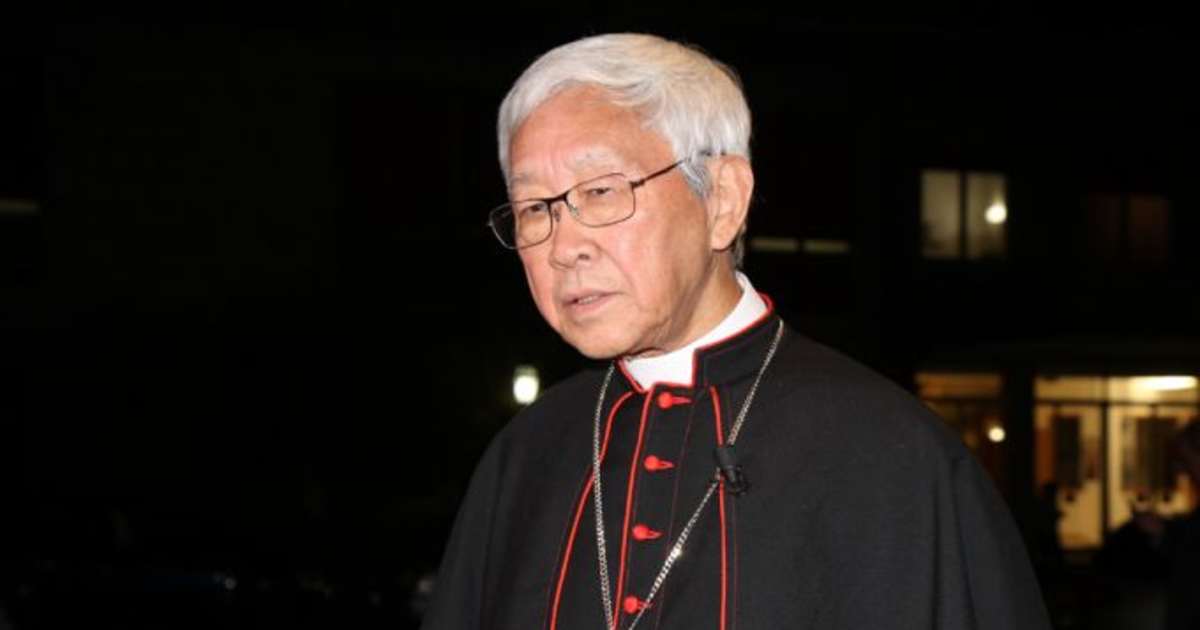
Hong Kong's Court of Appeal has upheld the conviction of Cardinal Joseph Zen, who was found guilty of failing to register a fund intended to support pro-democracy protesters. This decision has raised concerns about the implications for religious freedom and civil liberties in the region.
Judicial Ruling Raises Concerns Over Freedom of Expression
In a significant legal decision, the Hong Kong Court of Appeal has upheld the conviction of Cardinal Joseph Zen, a prominent Catholic leader, for failing to register a fund that provided assistance to pro-democracy protesters. The ruling, which has drawn widespread criticism from human rights advocates and religious groups, highlights the ongoing tension between the Hong Kong government and those advocating for democratic freedoms in the region.
Background of the Case
Cardinal Zen, who has been an outspoken critic of the Chinese government's policies in Hong Kong, was convicted earlier this year for his role in the 612 Humanitarian Relief Fund. This fund was established to provide financial support to individuals who faced legal repercussions during the 2019 protests against the government. The authorities argued that the fund's failure to register as a charity constituted a violation of local laws.
Legal Proceedings and Outcome
The appeal was heard by a panel of judges who ultimately decided to uphold the original conviction, which included a fine. The court's decision has been met with outrage from various sectors, including religious leaders, civil society organizations, and international observers, who argue that the ruling undermines the principles of freedom of expression and religious liberty.
International Reactions
The ruling has sparked a wave of condemnation from international human rights organizations. Amnesty International has called the decision a “serious blow” to freedom of expression in Hong Kong, while the U.S. State Department expressed concern over the implications for religious leaders and civil society in the region. The case has drawn attention to the broader crackdown on dissent in Hong Kong, particularly since the implementation of the National Security Law in 2020.
Impact on Religious Freedom
Cardinal Zen's conviction has raised alarms regarding the state of religious freedom in Hong Kong. Critics argue that the ruling sets a dangerous precedent for religious leaders who may wish to engage in social justice efforts or support marginalized communities. The Catholic Church in Hong Kong has historically played a significant role in advocating for social issues, and this ruling may deter future actions by religious figures.
Public Sentiment and Protests
The decision has prompted protests in various parts of Hong Kong, with demonstrators expressing their solidarity with Cardinal Zen and their discontent with the government's increasing authoritarianism. Many citizens view the ruling as part of a broader strategy to suppress dissent and silence critical voices in the city.
Looking Ahead
The future of civil liberties in Hong Kong remains uncertain as the government continues to enforce strict measures against dissent. Observers are closely monitoring how this ruling will affect other activists and religious leaders in the region. As Cardinal Zen continues to face legal challenges, the international community is likely to keep a watchful eye on developments, advocating for the protection of human rights and freedoms in Hong Kong.
Conclusion
The upholding of Cardinal Zen's conviction is a stark reminder of the ongoing struggles for freedom and democracy in Hong Kong. As the city navigates its complex political landscape, the implications of this ruling will resonate far beyond its borders, influencing discussions on human rights and religious freedom worldwide.