Hong Kong IPOs Under Increased Regulatory Scrutiny Amid Market Volatility
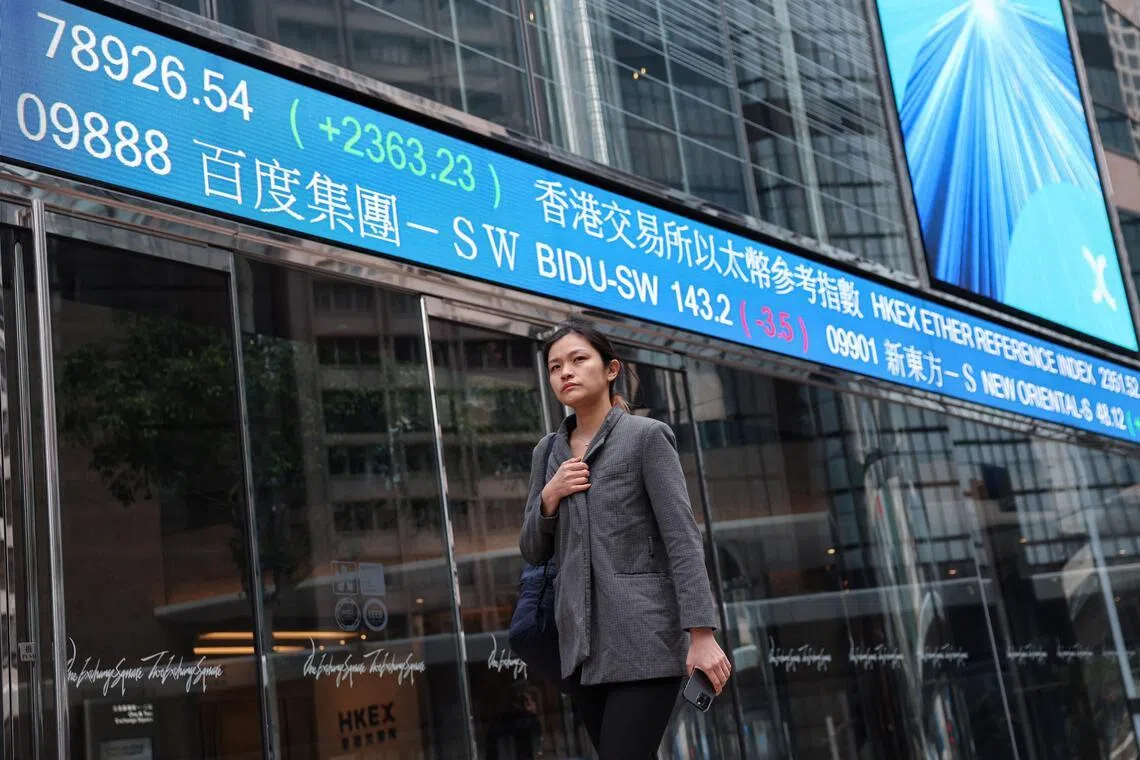
Hong Kong's IPO market is facing heightened regulatory scrutiny as authorities aim to stabilize the financial landscape amidst global market fluctuations. This report delves into the implications for companies seeking to go public in the region.
Introduction
In recent months, Hong Kong's initial public offering (IPO) market has come under intense scrutiny from regulatory authorities, as concerns about market volatility and investor protection have risen. The Hong Kong Stock Exchange (HKEX) is implementing stricter guidelines to ensure that companies seeking to go public meet rigorous standards, reflecting a global trend towards heightened regulatory oversight in financial markets.
Regulatory Changes
The Hong Kong Securities and Futures Commission (SFC) has announced a series of measures aimed at enhancing the transparency and accountability of IPO processes. These changes come in response to a series of high-profile IPOs that have raised questions about the quality of disclosures and the financial health of companies entering the market. The SFC's new guidelines will require companies to provide more detailed financial information and risk assessments, ensuring that potential investors have a clearer understanding of what they are investing in.
Market Volatility and Investor Confidence
Market volatility has been a significant concern for investors, particularly in the wake of geopolitical tensions and economic uncertainties. The recent fluctuations in global markets have prompted the SFC to act decisively to safeguard investor interests. By tightening IPO regulations, authorities hope to restore confidence among investors who may have become wary of the risks associated with new listings.
Impact on Companies Seeking IPOs
For companies looking to raise capital through IPOs, the new regulatory environment presents both challenges and opportunities. While the stricter guidelines may prolong the IPO process and increase compliance costs, they also offer a chance for companies to build credibility with investors. Firms that can demonstrate robust financial health and transparent operations may find themselves better positioned to attract investment in a competitive market.
Case Studies: Recent IPOs
Several recent IPOs have highlighted the importance of regulatory compliance in Hong Kong's market. For instance, the IPO of a tech startup that initially garnered significant investor interest faced backlash after concerns were raised about its revenue projections and governance practices. The company ultimately had to revise its offering, leading to a delayed launch and reduced investor confidence.
Conversely, companies that have adhered to the new regulations and provided comprehensive disclosures have seen positive responses from the market. These firms are often rewarded with higher valuations and stronger investor support, illustrating the benefits of transparency in the IPO process.
Global Trends in IPO Regulations
Hong Kong's regulatory changes are part of a broader global trend towards increased scrutiny of IPOs. Regulatory bodies in other major financial centers, including New York and London, are also revisiting their guidelines to ensure that companies meet high standards of accountability and transparency. This shift reflects a growing recognition of the need to protect investors and maintain the integrity of financial markets worldwide.
Conclusion
As Hong Kong navigates the complexities of a changing global financial landscape, the increased regulatory scrutiny of IPOs is a necessary step towards ensuring a stable and trustworthy market. While the new guidelines may pose challenges for companies seeking to go public, they ultimately aim to foster a more resilient investment environment. Investors can expect a more rigorous vetting process for new listings, which may lead to a healthier and more sustainable IPO market in the long run.