Hong Kong Insurers Face Decline Amid China Taxation Report
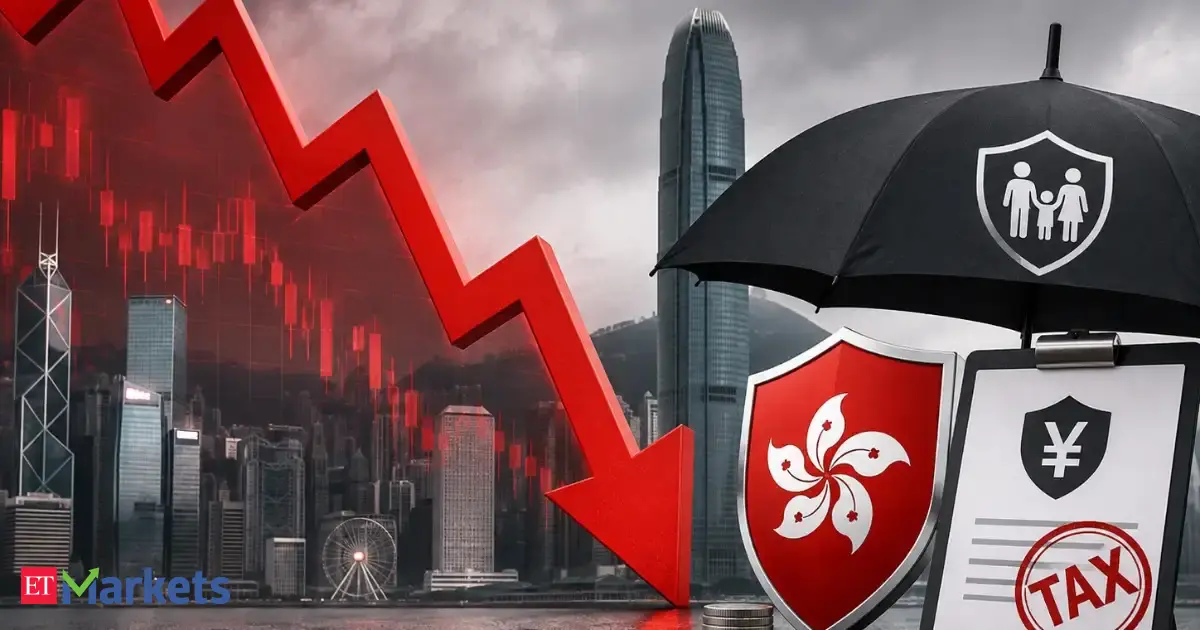
Hong Kong's insurance sector is experiencing a significant downturn following reports of China imposing taxes on offshore policy income. This development raises concerns about the future of the industry and its impact on investors.
Introduction
In a shocking turn of events, Hong Kong's insurance market has taken a hit following a report indicating that China plans to tax offshore policy income. This news has sent ripples through the financial community, leading to a decline in the stock prices of several major insurers based in the region.
Market Reaction
Shares of Hong Kong's leading insurance companies, including AIA Group and Prudential, experienced notable drops on the Hong Kong Stock Exchange. Analysts attribute this downturn to investor fears regarding the potential implications of the new tax regulations. The report from The Times of India highlighted that the Chinese government is considering taxing income from offshore insurance policies, a move that could significantly alter the landscape for insurers operating in Hong Kong.
Understanding the Taxation Policy
The proposed taxation policy comes as part of China's broader efforts to regulate its financial markets and curb capital outflows. For years, Hong Kong has been a favored destination for Chinese investors seeking to purchase life insurance policies that offer better returns and more favorable terms compared to domestic options. However, the introduction of taxes on these policies could deter future investments and lead to a decline in demand for offshore insurance products.
Impact on the Insurance Sector
The insurance sector in Hong Kong has thrived in recent years, largely due to its proximity to Mainland China and the increasing wealth of Chinese consumers. However, the potential taxation could undermine this growth trajectory. Analysts predict that if the tax is implemented, it may not only affect sales but could also lead to a reassessment of the business models employed by insurers.
Investor Sentiment
Investor sentiment has turned cautious in light of these developments. Many are reevaluating their portfolios and considering the long-term viability of investing in Hong Kong-based insurers. The uncertainty surrounding the potential tax has led to a sell-off, with many investors opting to withdraw their capital or seek alternative investment opportunities.
Government Response
In response to the growing concerns, the Hong Kong government and financial regulators have been quick to reassure stakeholders that they are closely monitoring the situation. Officials have emphasized the importance of maintaining Hong Kong's status as a global financial hub and are exploring ways to mitigate any adverse effects that the proposed taxation might have on the insurance sector.
Future Outlook
Looking ahead, the future of Hong Kong's insurance industry remains uncertain. While some analysts believe that the market will eventually stabilize, others warn that the introduction of taxes could lead to a long-term decline in the attractiveness of offshore policies. Insurers may need to adapt their strategies and offerings to align with the new regulatory environment if they hope to retain their customer base.
Conclusion
The news of potential taxation on offshore insurance policies has undoubtedly shaken the foundations of Hong Kong's insurance market. As stakeholders await further clarification from the Chinese government, the industry must brace for a period of adjustment and reevaluation. The coming months will be critical in determining how insurers navigate these challenges and what steps they will take to ensure their continued success in a changing landscape.