Hong Kong Government Proposes Enhanced Oversight for Building Maintenance Following Tragic Fire Incident
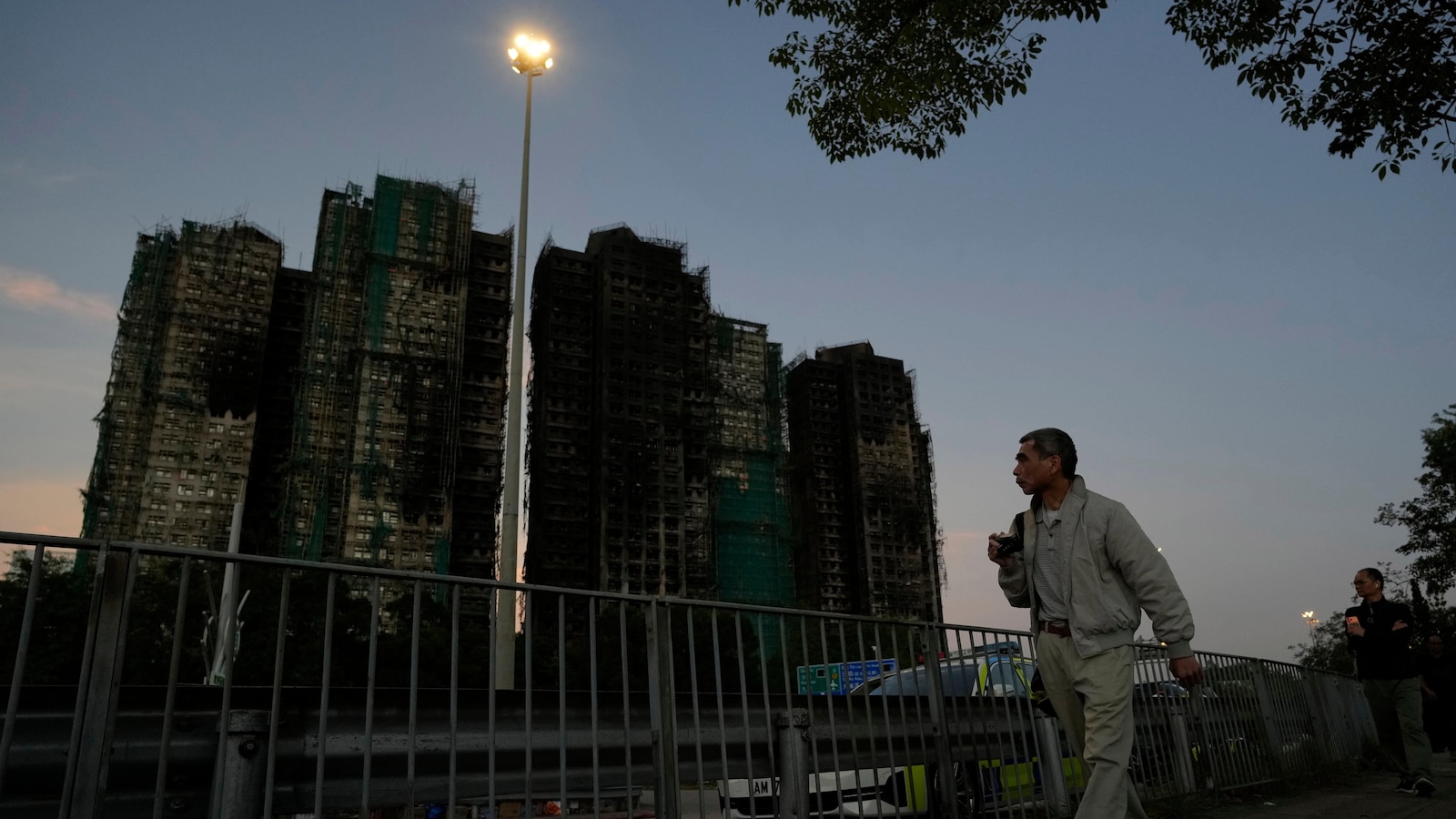
In response to a devastating fire that claimed multiple lives, the Hong Kong government is considering new regulations to improve building maintenance standards. The proposed measures aim to enhance safety protocols and prevent future tragedies in residential buildings.
Introduction
In the wake of a tragic fire that resulted in the loss of several lives in Hong Kong, the government is taking decisive steps to enhance oversight of building maintenance. This incident has sparked widespread concern about the safety of residential buildings in the city, prompting officials to consider new regulations that could significantly change the landscape of building management.
The Incident
The deadly fire occurred in a residential building in the densely populated district of Yau Ma Tei, where flames engulfed multiple floors, leading to the evacuation of residents and tragically resulting in fatalities. Eyewitness accounts described scenes of chaos as residents attempted to escape the inferno. The fire raised alarms about the adequacy of fire safety measures and the general condition of older buildings in the city.
Government Response
In response to the incident, the Hong Kong government announced plans to review existing building maintenance regulations. The Secretary for Development, Bernadette Linn, stated that the government is committed to ensuring the safety of its residents and that a thorough investigation into the fire will be conducted. The proposed measures include stricter requirements for regular maintenance checks, mandatory fire safety audits, and increased penalties for non-compliance.
Proposed Regulations
The new regulations aim to address several key areas of concern. Firstly, building owners will be required to conduct regular inspections of fire safety equipment, including alarms and sprinkler systems, to ensure they are in working order. Additionally, the government plans to implement a system that mandates building management to submit maintenance reports to the authorities on a regular basis.
Moreover, the government is considering introducing a licensing system for building management companies, which would require them to meet specific qualifications and adhere to safety standards. This move is intended to ensure that only qualified professionals are responsible for the upkeep of residential buildings.
Public Reaction
The proposed changes have been met with mixed reactions from the public and industry stakeholders. Many residents have expressed support for increased oversight, citing the need for improved safety measures in older buildings that may not have been properly maintained over the years. “We need to feel safe in our homes,” said a local resident. “The government must act to prevent another tragedy from happening.”
However, some building owners and management companies have voiced concerns about the potential financial burden that increased regulations may impose. They argue that while safety is paramount, the costs associated with compliance could be significant, particularly for smaller property owners.
Next Steps
The government plans to hold consultations with stakeholders, including residents, building management companies, and safety experts, to gather feedback on the proposed regulations. These discussions will be crucial in shaping the final framework of the new oversight measures.
As the investigation into the fire continues, the government has pledged to take swift action to implement the necessary changes to ensure the safety of all residents. The tragic incident has served as a wake-up call for the city, highlighting the urgent need for a comprehensive approach to building maintenance and safety.
Conclusion
As Hong Kong grapples with the aftermath of this devastating fire, the proposed enhancements to building maintenance oversight represent a critical step toward safeguarding the lives of its residents. The government's commitment to improving safety standards reflects a growing recognition of the importance of proactive measures in preventing future tragedies.