Hong Kong Government Moves to Seize Assets from Jailed Activist Jimmy Lai
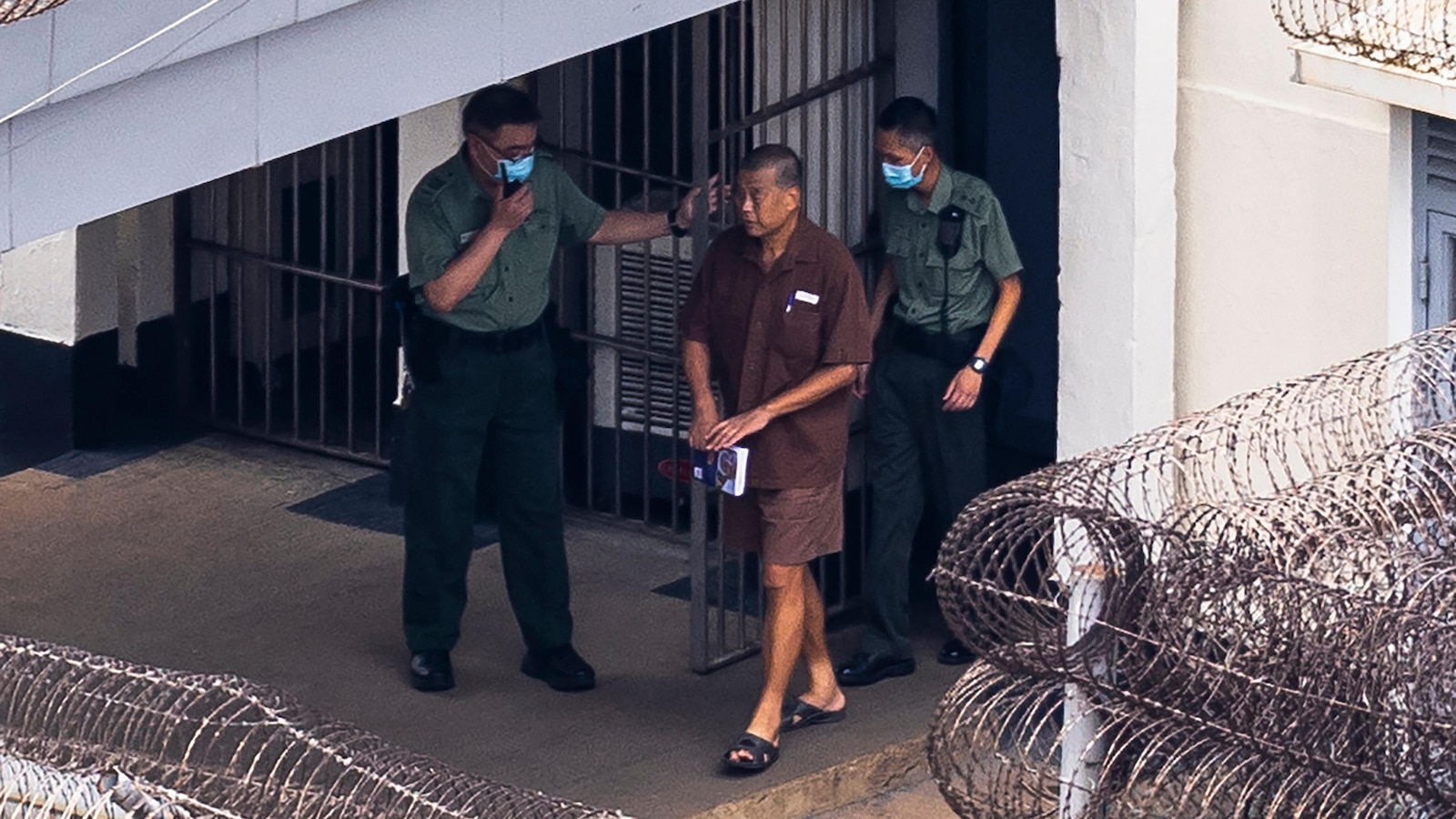
The Hong Kong government is seeking to seize millions of dollars from prominent pro-democracy activist Jimmy Lai, who is currently serving a prison sentence. This action raises significant concerns about the implications for freedom of expression and the future of activism in the region.
Introduction
The Hong Kong government has initiated legal proceedings to seize assets worth millions of dollars from Jimmy Lai, a prominent pro-democracy activist and founder of the Apple Daily newspaper, who is currently serving a prison sentence. This move has sparked widespread condemnation from human rights advocates and raised serious questions about the future of free speech and political dissent in the city.
Background on Jimmy Lai
Jimmy Lai, a 75-year-old media mogul, has been a vocal critic of the Chinese Communist Party and a staunch advocate for democracy in Hong Kong. He was arrested in August 2020 under the controversial National Security Law, which was imposed by Beijing to quell dissent in the semi-autonomous region. In April 2023, Lai was sentenced to 14 years in prison on charges related to his activism and the operations of his newspaper, which was known for its critical coverage of the government.
Details of the Asset Seizure
The Hong Kong government is seeking to confiscate approximately $7.8 million from Lai's assets, claiming that these funds are proceeds from his alleged illegal activities. The authorities have stated that Lai's financial dealings were intertwined with his political activism, which they argue violates the National Security Law. This legal action is part of a broader crackdown on dissent in Hong Kong, where many activists have faced similar fates.
Reactions from the International Community
The move to seize Lai's assets has drawn sharp criticism from international human rights organizations and foreign governments. The United States, the United Kingdom, and various human rights groups have condemned the Hong Kong government's actions as a blatant violation of human rights and a further erosion of freedoms in the city. Amnesty International has labeled Lai a prisoner of conscience, calling for his immediate release and the cessation of all legal actions against him.
Implications for Freedom of Expression
This latest development raises significant concerns about the state of freedom of expression in Hong Kong. Critics argue that the asset seizure is not merely a financial maneuver but a strategic effort to intimidate other activists and silence dissenting voices. The chilling effect of such actions could deter individuals from engaging in political activism, further stifling the pro-democracy movement in the region.
Local Response
Within Hong Kong, reactions have been mixed. Supporters of Lai and the pro-democracy movement have rallied in his defense, organizing protests and campaigns to raise awareness about his plight. Conversely, pro-government factions have applauded the government's actions, framing them as necessary measures to maintain stability and security in the city.
Conclusion
The Hong Kong government's pursuit of Jimmy Lai's assets is emblematic of the broader struggle between the pro-democracy movement and the authorities in a city that has seen its freedoms eroded over the past few years. As Lai continues to serve his prison sentence, the international community watches closely, with many advocating for his release and the restoration of democratic rights in Hong Kong. The outcome of this legal battle could have lasting implications for the future of activism and free speech in the region.