Hong Kong Genome Project Pioneers Population-Scale Genomic Medicine
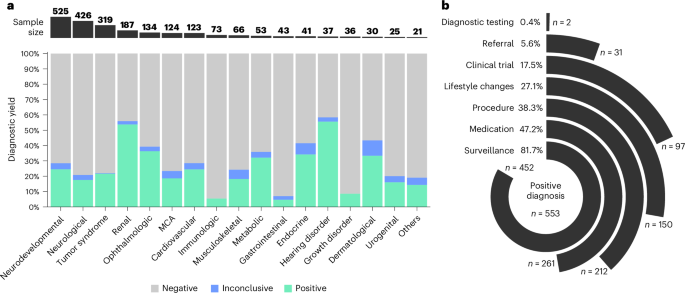
The Hong Kong Genome Project is set to revolutionize healthcare through population-scale genomic medicine, offering insights into genetic predispositions and personalized treatment options. This groundbreaking initiative aims to enhance public health and disease prevention in the region.
Introduction to the Hong Kong Genome Project
The Hong Kong Genome Project (HKGP) is a landmark initiative that aims to harness the power of genomic medicine to improve healthcare outcomes across the region. Launched in 2021, the project seeks to analyze the genetic makeup of a significant portion of Hong Kong's population, providing invaluable insights into the genetic factors that contribute to health and disease.
Objectives and Scope
The primary objective of the HKGP is to create a comprehensive genomic database that reflects the genetic diversity of Hong Kong's population. By sequencing the genomes of over 100,000 residents, the project aims to identify genetic variants associated with common diseases such as diabetes, cancer, and cardiovascular conditions. This information will pave the way for personalized medicine, where treatments can be tailored to an individual's genetic profile.
Collaboration and Support
The project is a collaborative effort involving various stakeholders, including the Hong Kong government, local universities, and international research institutions. The initiative has garnered support from the Hong Kong Science and Technology Parks Corporation, which provides the necessary infrastructure and resources to facilitate the genomic research. Additionally, partnerships with global genomic research organizations enhance the project's capabilities and data-sharing potential.
Technological Innovations
At the heart of the HKGP is cutting-edge technology that enables high-throughput genomic sequencing. This technology allows researchers to rapidly analyze vast amounts of genetic data, making it feasible to conduct population-scale studies. The integration of artificial intelligence and machine learning algorithms further enhances the ability to interpret complex genomic data, identifying patterns and correlations that may not be immediately apparent.
Implications for Public Health
The implications of the HKGP for public health are profound. By understanding the genetic predispositions of the population, healthcare providers can implement targeted prevention strategies and early intervention programs. This proactive approach has the potential to reduce the burden of chronic diseases and improve overall health outcomes in Hong Kong.
Ethical Considerations
As with any large-scale genomic project, ethical considerations are paramount. The HKGP is committed to upholding the highest standards of ethical research practices, ensuring that participants' privacy and consent are prioritized. The project has established a robust framework for data protection and ethical oversight, addressing concerns related to genetic discrimination and the use of genetic information.
Future Prospects
Looking ahead, the HKGP aims to expand its scope beyond genetic research. Plans are underway to integrate genomic data with electronic health records, creating a comprehensive health database that can be utilized for research, public health policy, and clinical decision-making. This integration will not only enhance the understanding of disease mechanisms but also foster a culture of data-driven healthcare in Hong Kong.
Conclusion
The Hong Kong Genome Project represents a significant leap forward in the field of genomic medicine. By leveraging the power of genetics, the project aims to transform healthcare delivery in Hong Kong, making it more personalized and effective. As the initiative progresses, it holds the promise of not only improving individual health outcomes but also advancing the overall health of the population.