Hong Kong Firm Seeks $2 Billion Over Panama's Takeover of Key Canal Ports
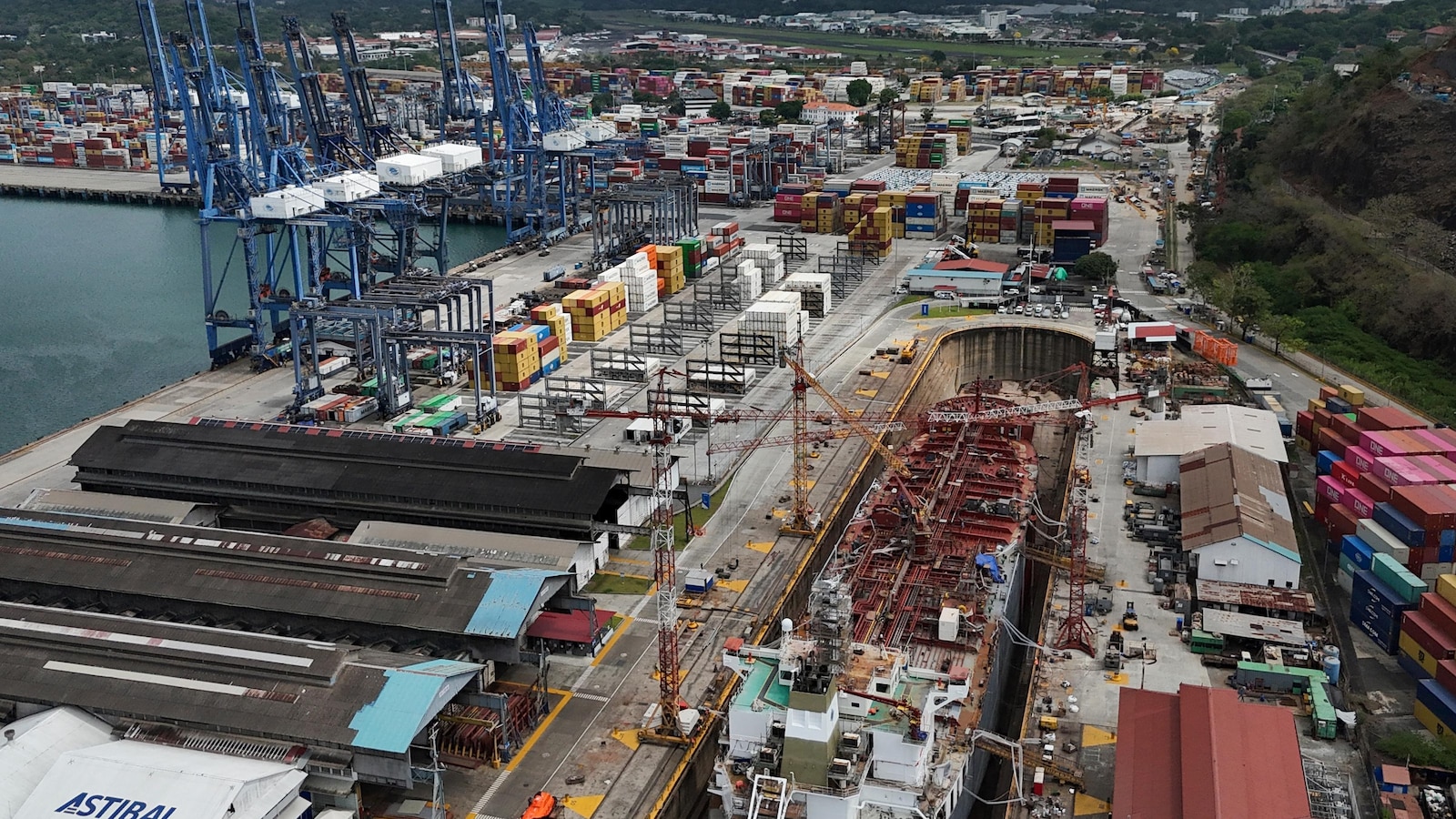
A Hong Kong-based company is pursuing a $2 billion compensation claim against the Panamanian government following its controversial takeover of two crucial ports on the Panama Canal. This move has raised concerns about international investment security and the future of foreign businesses in Panama.
Introduction
In a significant development that could have far-reaching implications for international business relations, a Hong Kong firm has initiated legal proceedings seeking $2 billion in compensation from the Panamanian government. This claim arises from Panama's unexpected takeover of two strategically important ports along the Panama Canal, an action that has sparked widespread concern among foreign investors and raised questions about the security of international investments in the region.
The Background of the Dispute
The ports in question, which play a vital role in global shipping and trade, were taken over by the Panamanian government under the pretext of enhancing national security and improving operational efficiency. However, the abrupt nature of the takeover has led to accusations of expropriation without adequate compensation, a violation of international investment treaties that protect foreign investors from arbitrary government actions.
The Claimant: A Hong Kong Firm
The firm leading the charge is a prominent player in the logistics and shipping industry, with extensive investments in various ports around the world. Their decision to pursue legal action reflects not only their financial interests but also a broader concern among international businesses regarding the stability and predictability of the investment climate in Panama. The company has stated that the government's actions have not only resulted in significant financial losses but have also undermined the trust that foreign investors place in the Panamanian market.
Implications for International Investment
This legal battle is poised to attract considerable attention from the international business community. Analysts suggest that the outcome could set a precedent for how similar disputes are handled in the future, particularly in regions where governments may seek to assert greater control over foreign investments. The situation has raised alarms about the potential for increased state intervention in the economy, which could deter future foreign direct investment and disrupt established trade relationships.
Reactions from the Panamanian Government
In response to the claim, the Panamanian government has defended its actions, arguing that the takeover was necessary for the country's economic interests and to ensure the safety and efficiency of operations at the ports. Officials have expressed confidence that the legal proceedings will ultimately favor the government, asserting that they acted within their rights to protect national assets.
The Broader Context of Panama's Economic Policies
This incident occurs against a backdrop of ongoing debates about Panama's economic policies and its relationship with foreign investors. While the country has long been viewed as a gateway for trade between the Americas and beyond, recent actions have raised questions about its commitment to upholding international investment standards. Observers note that the government's approach could lead to increased scrutiny from international organizations and potential repercussions for Panama's reputation as a reliable destination for foreign investment.
Conclusion
The unfolding situation between the Hong Kong firm and the Panamanian government highlights the complexities and risks involved in international business dealings. As the legal proceedings progress, stakeholders from various sectors will be closely monitoring the developments, which could have significant implications for future investments in Panama and similar markets worldwide. The outcome of this dispute will not only impact the parties directly involved but could also reshape the landscape of international investment in the region for years to come.