Hong Kong Firm Initiates Arbitration Over Panama Canal Port Contract Dispute
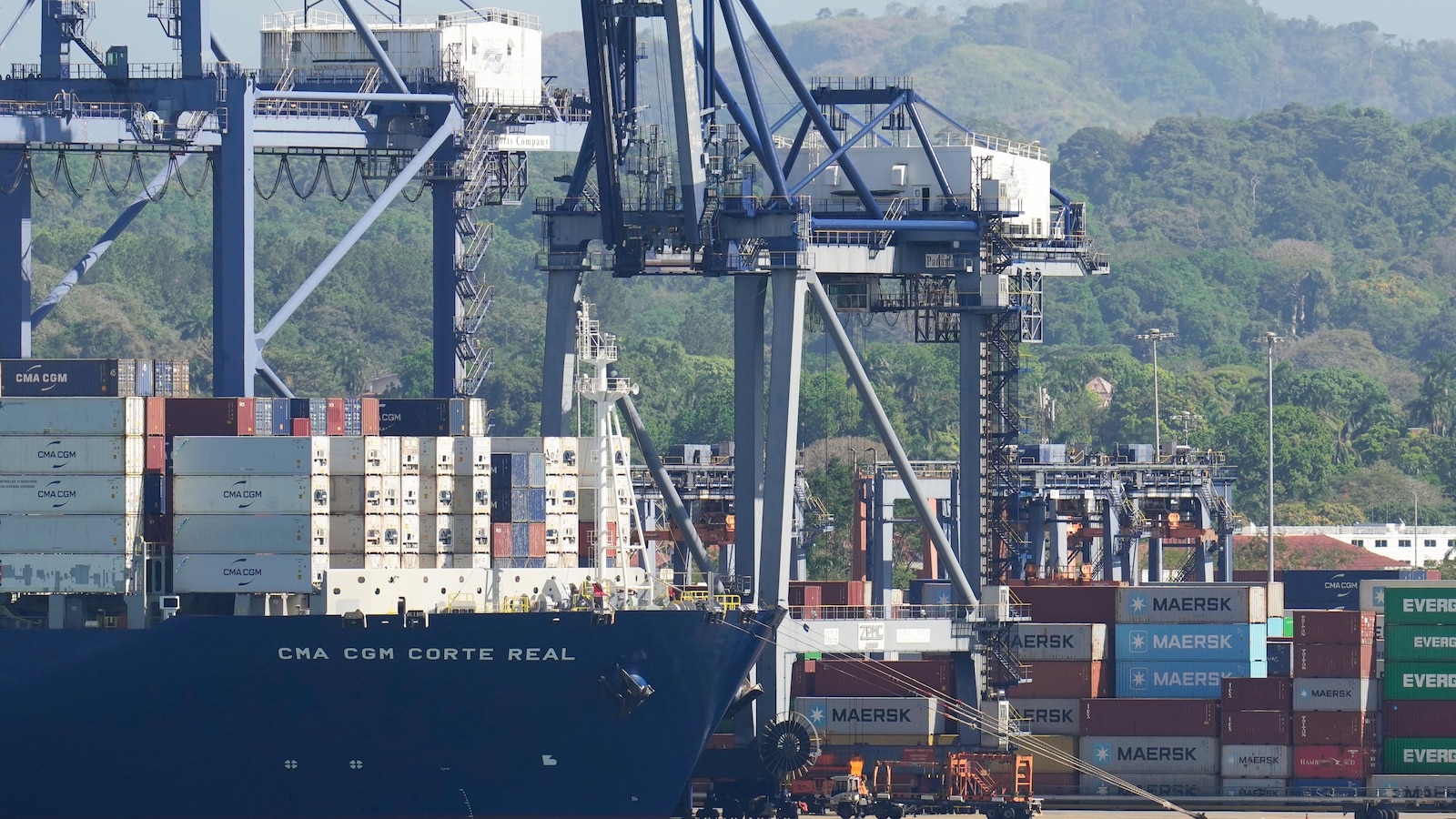
A Hong Kong-based company has commenced arbitration proceedings following a ruling that adversely affected its contract related to the Panama Canal port. This development highlights the complexities of international trade agreements and the legal challenges faced by businesses operating globally.
Hong Kong Firm Initiates Arbitration Over Panama Canal Port Contract Dispute
A prominent firm from Hong Kong has taken a significant step in the international business arena by initiating arbitration proceedings concerning a contentious ruling against its contract for a port project in the Panama Canal. This legal action underscores the intricate nature of global trade agreements and the potential pitfalls that companies may encounter when operating across borders.
Background of the Dispute
The dispute arose from a ruling that the Hong Kong firm, which has not been publicly named, claims undermines its contractual rights related to the management and operation of a key port facility within the Panama Canal. This facility is vital not only for regional trade but also for global shipping routes, making the stakes particularly high for all parties involved.
Legal Framework and Arbitration Process
Arbitration is a preferred method of resolving international commercial disputes, often favored for its confidentiality and efficiency compared to traditional court proceedings. The Hong Kong firm has opted for this route, citing the need for an impartial resolution to what it describes as an unfair ruling. The arbitration will likely take place under the auspices of an internationally recognized arbitration institution, ensuring that both parties adhere to established legal standards.
Implications for International Trade
This case is emblematic of the challenges faced by companies engaged in international trade, particularly in regions with complex regulatory environments. The Panama Canal, a crucial conduit for maritime traffic, has seen its fair share of disputes over contracts and operational rights. As global trade continues to evolve, the resolution of such disputes will play a critical role in shaping the future of international commerce.
Reactions from Stakeholders
Industry experts have expressed concern over the potential ramifications of this dispute. Some analysts suggest that the outcome could set a precedent for future contracts involving infrastructure projects in strategic locations. Additionally, stakeholders in the shipping and logistics sectors are closely monitoring the situation, as any disruption in port operations could have a ripple effect on global supply chains.
Future Prospects
As the arbitration proceedings unfold, the Hong Kong firm remains optimistic about achieving a favorable outcome. The company has indicated its commitment to pursuing all available legal avenues to protect its interests and ensure that its contractual rights are upheld. Meanwhile, the Panamanian authorities are also expected to weigh in, as the resolution of this dispute could impact their economic landscape and international relations.
Conclusion
This arbitration case serves as a reminder of the complexities involved in international business dealings. As firms navigate the intricate web of global trade, the importance of clear contracts and fair dispute resolution mechanisms cannot be overstated. The outcome of this case will not only affect the parties directly involved but could also influence broader trends in international trade law and business practices.