Hong Kong Financial Stocks Plunge Amid China's Tightened Capital Controls
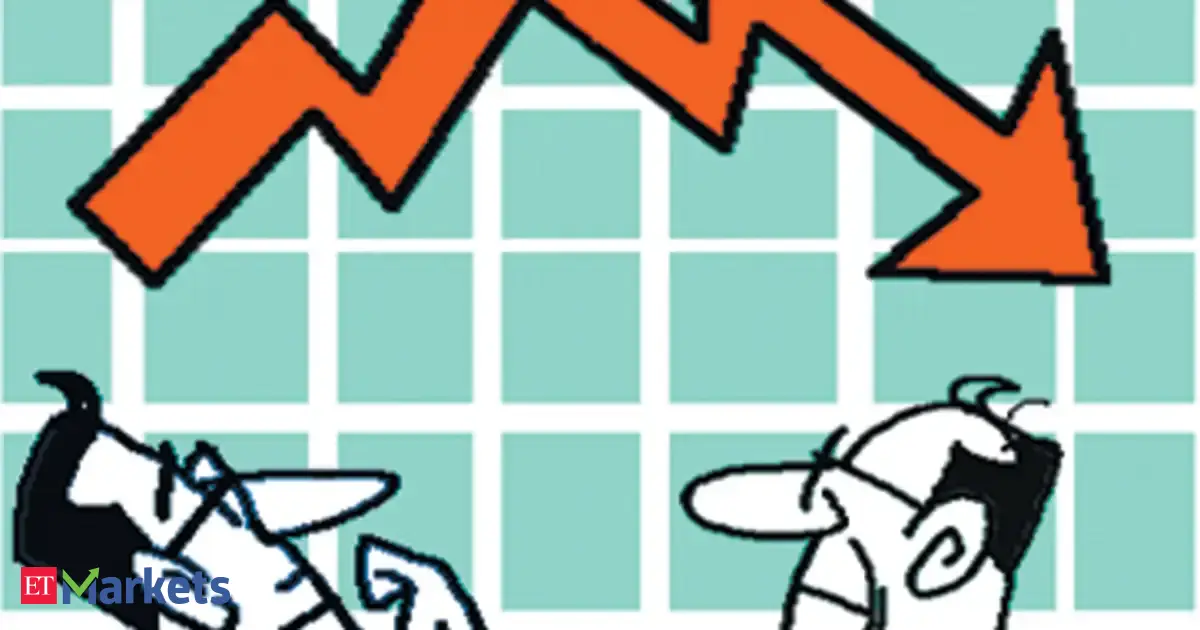
Hong Kong's financial stocks experienced a significant decline following China's new measures on capital outflows. The tightening of controls has raised concerns among investors about the future of the market.
Hong Kong Financial Stocks Plunge Amid China's Tightened Capital Controls
In a dramatic turn of events, Hong Kong's financial stocks faced a steep decline on Wednesday, following the announcement of new capital outflow controls by the Chinese government. This move has sent ripples through the market, raising concerns about the implications for both local and international investors.
The Chinese government has implemented stricter regulations aimed at curbing capital flight, a response to the growing economic pressures and uncertainties within the country. The measures include limiting the amount of money that individuals and companies can transfer abroad, a policy that has been met with skepticism from financial analysts and market participants.
As a result, major financial institutions listed on the Hong Kong Stock Exchange saw their share prices tumble. The Hang Seng Index, a key indicator of the market's performance, dropped by over 3% at the close of trading, reflecting the widespread panic among investors. Analysts noted that the financial sector, which is heavily reliant on capital inflows, is particularly vulnerable to such restrictions.
“The new capital controls are likely to create a ripple effect across the financial markets, not just in Hong Kong but globally,” said David Wong, a senior market analyst. “Investors are already wary of the economic outlook in China, and these additional restrictions could further exacerbate the situation.”
The tightening of capital outflow controls comes at a time when China's economy is grappling with a myriad of challenges, including a slowing growth rate, rising unemployment, and ongoing trade tensions with the United States. The government’s decision to impose these controls is seen as an attempt to stabilize the economy and prevent further capital flight, which has been a significant issue in recent months.
In response to the market turmoil, some analysts have suggested that investors should brace for more volatility in the near term. “With these new regulations in place, we can expect to see a continued decline in investor confidence, particularly among foreign investors who may be hesitant to commit capital in such an uncertain environment,” said Emily Chen, an economist based in Hong Kong.
Moreover, the implications of these capital controls extend beyond just the financial sector. Businesses that rely on foreign investments may find it increasingly difficult to attract capital, which could hinder growth prospects. The construction and real estate sectors, which have been significant drivers of Hong Kong's economy, may also feel the pinch as investors reassess their strategies.
Despite the challenges, some market experts believe that there may be opportunities for savvy investors. “While the immediate reaction to the capital controls has been negative, there are always opportunities in times of uncertainty,” said Michael Li, a portfolio manager. “Investors who can navigate the complexities of the market may find undervalued assets that could yield significant returns in the long run.”
As Hong Kong grapples with the fallout from these new capital controls, the focus will be on how the government responds to the evolving economic landscape. Policymakers may need to strike a delicate balance between maintaining economic stability and ensuring that the financial markets remain attractive to both local and international investors.
In conclusion, the recent plunge in Hong Kong's financial stocks serves as a stark reminder of the interconnectedness of global markets and the potential impact of domestic policies on international investor sentiment. As the situation continues to unfold, stakeholders will be watching closely for further developments and the government's next steps in addressing these pressing economic challenges.