Hong Kong Faces Record Trade Deficit Amidst AI-Driven Economic Shifts
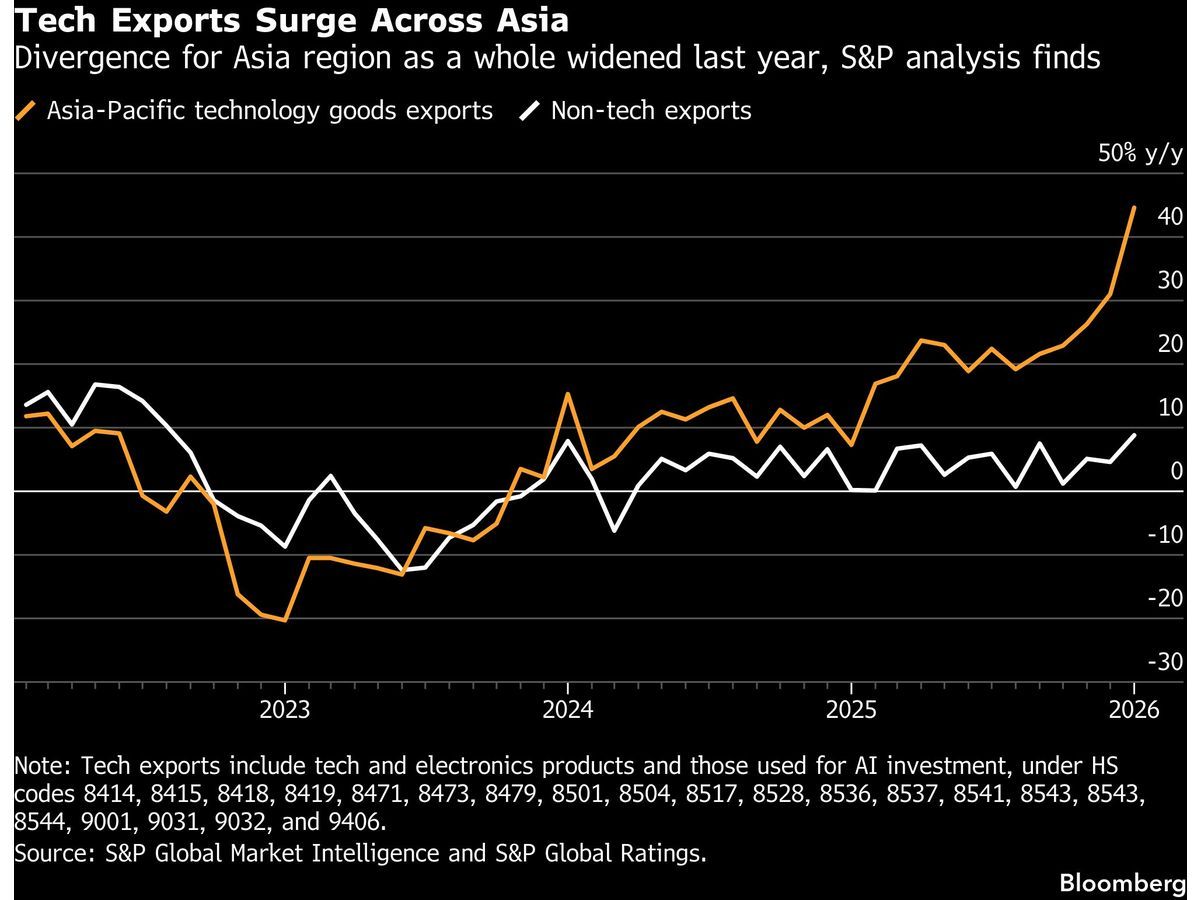
Hong Kong has reported its widest trade deficit since 1952, highlighting the economic challenges posed by the AI boom. Experts suggest that this trend could reshape the territory's trade dynamics and economic landscape.
Introduction
Hong Kong, a global financial hub, is grappling with its largest trade deficit since 1952, a development that underscores the complexities of its economic landscape in the wake of rapid advancements in artificial intelligence (AI). As the city navigates the repercussions of the AI boom, analysts are raising concerns about the sustainability of its trade practices and the potential long-term implications for its economy.
Record Trade Deficit
According to recent data released by the Hong Kong Census and Statistics Department, the trade deficit reached an alarming HKD 37.6 billion (approximately USD 4.8 billion) in September 2023. This figure marks a stark contrast to the trade surplus of HKD 8.6 billion recorded during the same month last year. The deficit is attributed to a combination of rising imports and declining exports, a trend that has been exacerbated by the global shift towards AI technologies.
Impact of the AI Boom
The AI boom has transformed industries worldwide, and Hong Kong is no exception. While the technology sector has seen significant growth, the traditional manufacturing and export sectors have struggled to keep pace. Analysts point out that the increasing reliance on AI-driven solutions has led to a decline in demand for certain goods that Hong Kong has historically exported, such as textiles and electronics.
Moreover, as businesses pivot towards AI and automation, there is a growing concern that jobs in traditional sectors may be at risk. This shift could further exacerbate the trade deficit as the workforce adjusts to new demands and skill sets required in an AI-driven economy.
Rising Imports
On the import side, Hong Kong has seen a surge in demand for high-tech goods and AI-related products. The city’s position as a gateway to Mainland China has made it an attractive market for foreign companies looking to capitalize on the growing demand for advanced technology. However, this influx of imports has contributed significantly to the widening trade deficit.
Experts warn that while the AI boom presents opportunities for growth, it also poses risks to the balance of trade. The reliance on imported technology could hinder local innovation and manufacturing capabilities, making the economy more vulnerable to external shocks.
Future Outlook
Looking ahead, economists are urging policymakers to adopt strategies that can help mitigate the effects of the trade deficit. This includes investing in local innovation, promoting technology-driven industries, and enhancing the competitiveness of traditional sectors. The government is also encouraged to foster partnerships between local businesses and foreign tech firms to bolster the local economy.
As Hong Kong navigates this pivotal moment in its economic history, the challenge will be to balance the benefits of the AI boom with the need to maintain a sustainable trade environment. The city’s ability to adapt to these changes will be crucial in determining its economic future.
Conclusion
The record trade deficit faced by Hong Kong is a stark reminder of the ongoing economic transformations driven by technological advancements. As the city embraces the AI revolution, it must also confront the challenges that come with it, ensuring that it remains a competitive player in the global market while safeguarding its economic stability.