Hong Kong Faces Record Trade Deficit Amid AI Boom
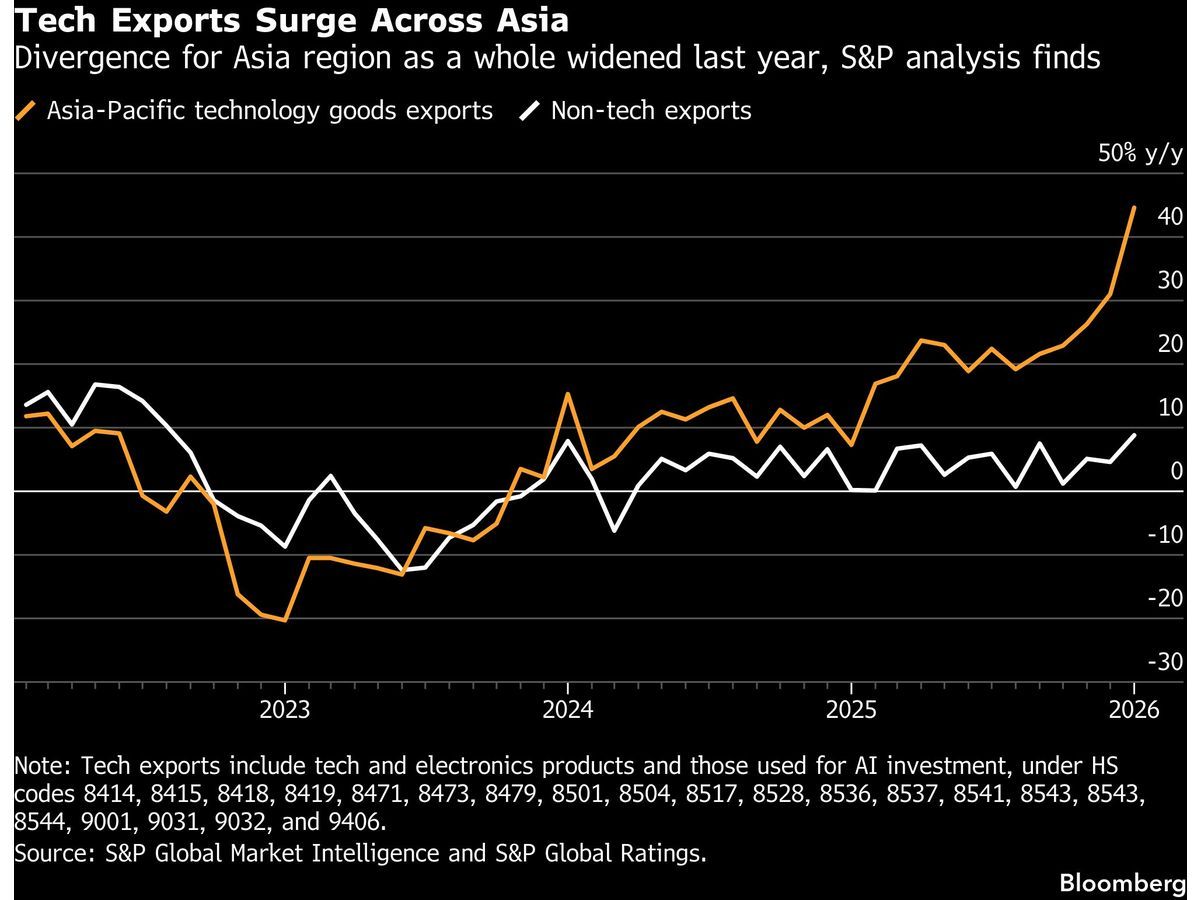
Hong Kong has reported its widest trade deficit since 1952, largely attributed to the surge in artificial intelligence investments. This unprecedented economic shift raises questions about the city's future trade dynamics and economic strategies.
Introduction
In a striking economic development, Hong Kong has recorded its largest trade deficit since 1952, a situation that has emerged in the wake of the global artificial intelligence (AI) boom. The city, known for its vibrant trade and financial sectors, is now grappling with the implications of this deficit, which has raised eyebrows among economists and policymakers alike.
Understanding the Trade Deficit
The trade deficit, which measures the gap between imports and exports, reached a staggering figure that highlights the challenges Hong Kong faces in maintaining its status as a global trading hub. In recent months, the city has seen a significant increase in imports, particularly in technology and AI-related products, while exports have not kept pace. This imbalance has been attributed to a combination of factors, including rising demand for advanced technology and a slowdown in traditional export markets.
The AI Boom and Its Impact
The surge in AI investments globally has led to an influx of technology imports into Hong Kong, as companies scramble to adopt cutting-edge solutions to stay competitive. This trend is particularly pronounced in sectors such as finance, logistics, and retail, where AI is being integrated to enhance efficiency and customer experience. However, while these advancements promise long-term benefits, they have contributed to the immediate challenge of rising import costs without a corresponding increase in exports.
Economic Implications
The record trade deficit could have far-reaching implications for Hong Kong's economy. Economists warn that if the trend continues, it could lead to a devaluation of the Hong Kong dollar and increased inflationary pressures. Additionally, the city’s reliance on imports for technological advancements raises concerns about its economic sovereignty and the sustainability of its growth model.
Government Response
In response to the growing trade deficit, the Hong Kong government is under pressure to devise strategies that can bolster exports while managing import costs. This includes initiatives to support local industries in adopting AI technologies, thereby enhancing their competitiveness in the global market. Furthermore, policymakers are exploring avenues to diversify trade partnerships beyond traditional markets, aiming to tap into emerging economies that are increasingly investing in technology.
Looking Ahead
As Hong Kong navigates this challenging economic landscape, the focus will likely shift towards fostering innovation and entrepreneurship. The government is expected to ramp up support for startups and tech companies, encouraging them to develop homegrown solutions that can reduce the city’s dependency on foreign imports. Additionally, investments in education and skills training will be crucial to prepare the workforce for the demands of a rapidly evolving technological landscape.
Conclusion
The record trade deficit in Hong Kong serves as a wake-up call for the city to reassess its economic strategies in light of the AI boom. While the immediate challenges are daunting, they also present an opportunity for transformation. By embracing innovation and fostering a resilient economic environment, Hong Kong can aim to turn this deficit into a stepping stone towards a more sustainable and competitive future.