Hong Kong Emerges as a Leading Hub for AI IPOs Amidst Growing Global Competition
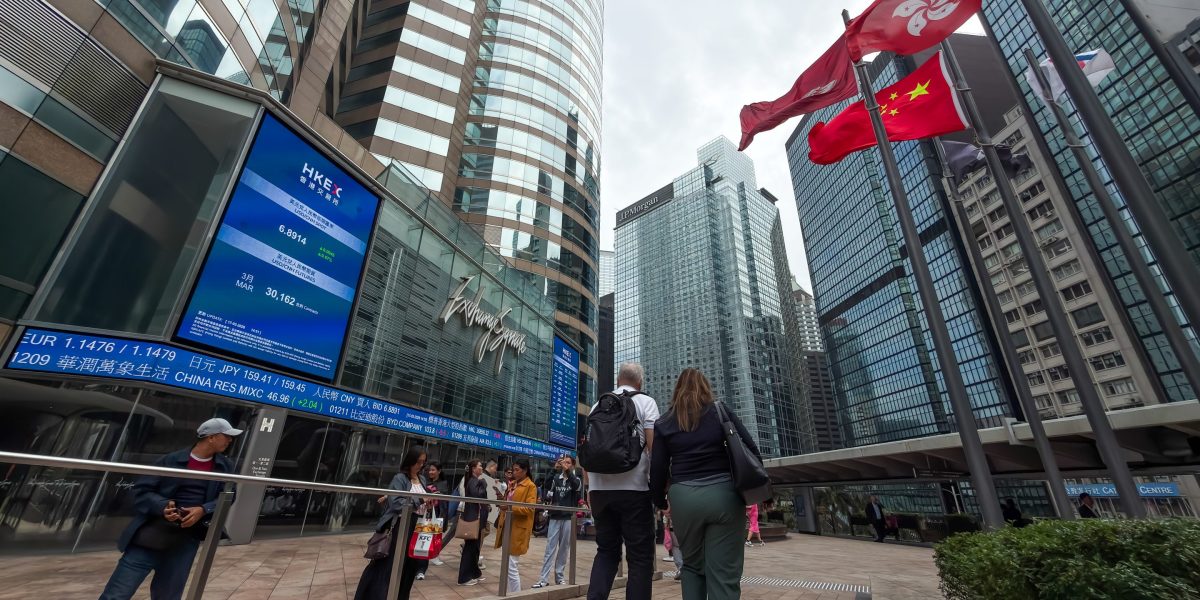
Hong Kong has positioned itself as a central player in the burgeoning artificial intelligence (AI) sector, attracting numerous initial public offerings (IPOs) from Chinese tech firms. This trend highlights the city's potential to evolve beyond its current status as merely an IPO hub, paving the way for broader innovation and investment opportunities.
Introduction
In recent years, Hong Kong has established itself as a pivotal hub for initial public offerings (IPOs) in the artificial intelligence (AI) sector, particularly for companies emerging from mainland China. As global interest in AI technologies surges, the city's strategic location and robust financial infrastructure have made it an attractive destination for tech firms looking to raise capital and expand their reach.
Hong Kong's Financial Landscape
Hong Kong's financial market has long been regarded as one of the most dynamic in the world. With its unique blend of Eastern and Western influences, the city offers a conducive environment for businesses to flourish. The Hong Kong Stock Exchange (HKEX) has implemented various reforms aimed at attracting tech companies, including relaxed listing rules and a focus on dual-class share structures, which allow founders to maintain control over their companies even after going public.
The Rise of AI IPOs
The recent surge in AI IPOs in Hong Kong is indicative of a broader trend within the tech industry. Companies such as SenseTime and Megvii have successfully launched their IPOs in Hong Kong, raising substantial capital and drawing significant investor interest. These companies are at the forefront of AI innovation, developing technologies that range from facial recognition to autonomous driving solutions.
According to a report by Fortune, Hong Kong has become the preferred choice for many Chinese AI firms seeking to go public, primarily due to its proximity to mainland China and its established financial ecosystem. This trend is expected to continue as more companies look to capitalize on the growing demand for AI solutions across various sectors, including healthcare, finance, and transportation.
Challenges and Opportunities
Despite its successes, Hong Kong faces several challenges in solidifying its status as a global AI hub. The city must navigate increasing competition from other financial centers, such as New York and London, which are also vying for a share of the lucrative AI market. Additionally, regulatory hurdles and geopolitical tensions could pose risks to the growth of tech IPOs in the region.
However, the opportunities for growth are immense. As the global AI market is projected to reach trillions of dollars in the coming years, Hong Kong's strategic position can be leveraged to attract international investors and foster innovation. The city has the potential to become a leading center for AI research and development, further enhancing its appeal to tech firms.
The Future of AI in Hong Kong
Looking ahead, the future of AI in Hong Kong appears promising. The government has recognized the importance of fostering a vibrant tech ecosystem and has initiated various initiatives to support AI development. Investments in education, research, and infrastructure will be crucial in ensuring that Hong Kong remains competitive in the global AI landscape.
Moreover, collaboration between the public and private sectors will be essential in driving innovation and attracting talent. By creating a conducive environment for startups and established firms alike, Hong Kong can position itself as a leader in the AI revolution.
Conclusion
In conclusion, Hong Kong's emergence as a hub for AI IPOs marks a significant milestone in its journey towards becoming a global leader in technology and innovation. While challenges remain, the city's unique advantages and proactive approach to nurturing the tech sector present a wealth of opportunities for the future. As the demand for AI solutions continues to grow, Hong Kong is poised to play a critical role in shaping the next phase of technological advancement.