Hong Kong Educators Call for Social Media Ban for Under-16s Amid Rising Concerns
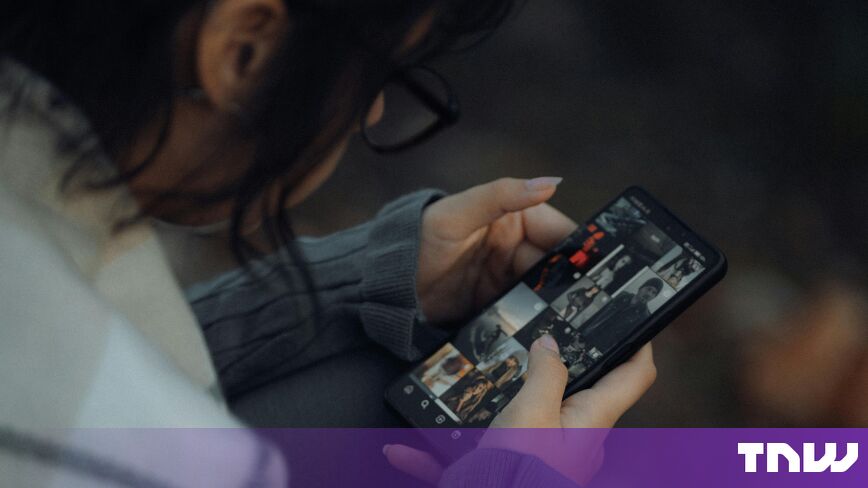
Educators in Hong Kong are advocating for a ban on social media usage for individuals under the age of 16, citing mental health concerns and the impact of online bullying. However, the government has stated it has no plans to legislate such measures.
Introduction
In a growing wave of concern regarding the mental health and safety of young people, educators in Hong Kong are advocating for a ban on social media for individuals under the age of 16. This call comes as studies and anecdotal evidence indicate that excessive social media use can lead to various psychological issues, including anxiety, depression, and cyberbullying. Despite these concerns, the Hong Kong government has responded by stating that it has no intentions to legislate such a ban.
Rising Concerns Among Educators
The Hong Kong Professional Teachers' Union (HKPTU) has been at the forefront of this initiative, arguing that social media platforms expose children to harmful content and negative social interactions. Teachers have reported an increase in cases of mental health issues among students, which they attribute, in part, to the pressures of social media. The union's proposal aims to create a safer online environment for children, allowing them to grow and learn without the detrimental effects of social media.
Government's Response
In response to the educators' proposal, the Hong Kong government has made it clear that it does not plan to implement any legislation restricting social media access for minors. Officials argue that such a ban could infringe on personal freedoms and that parents should take responsibility for monitoring their children's online activities. The government has emphasized the importance of digital literacy and education rather than imposing restrictions.
Impact of Social Media on Youth
Research has shown that social media can significantly impact the mental health of adolescents. A study published in the journal JAMA Psychiatry found that increased social media use is linked to a higher prevalence of depression and anxiety disorders among teenagers. Moreover, the anonymity of online interactions can lead to cyberbullying, which has devastating effects on young individuals. Educators argue that without intervention, these issues will continue to escalate.
Alternative Solutions Proposed
While a complete ban on social media may not be on the horizon, educators are suggesting alternative measures to mitigate the risks associated with online platforms. These include implementing educational programs that teach students about digital citizenship, responsible online behavior, and the importance of mental health. Additionally, they propose that schools should work closely with parents to create a supportive environment for children navigating the complexities of social media.
Community Reactions
The community's response to the educators' proposal has been mixed. Some parents and mental health advocates support the call for a ban, citing the urgent need to protect children from the negative aspects of social media. Others, however, believe that a ban is not a practical solution and that education and open communication between parents and children are more effective strategies.
Conclusion
As the debate over social media's role in the lives of young people continues, it is clear that the issue is multifaceted and requires a thoughtful approach. While educators are pushing for a ban on social media for those under 16, the government remains steadfast in its position against legislation. Moving forward, it will be crucial for all stakeholders—educators, parents, and policymakers—to collaborate in finding effective solutions that prioritize the well-being of Hong Kong's youth while respecting personal freedoms.