Hong Kong Dollar Hits 10-Month Low Against US Dollar, Challenging Its Peg
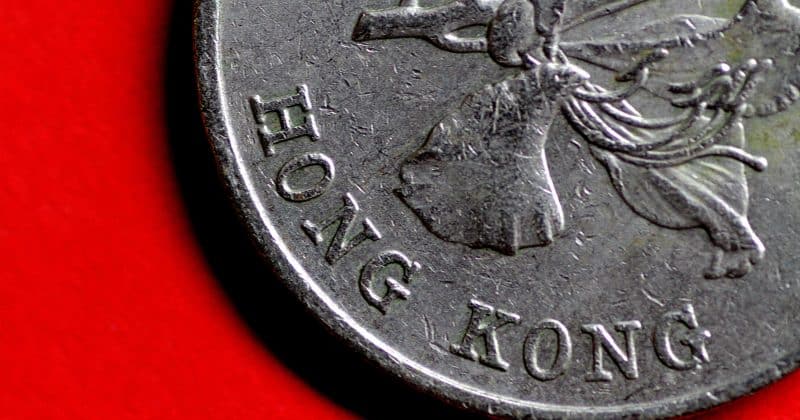
The Hong Kong dollar has fallen to a 10-month low against the US dollar, raising concerns about the stability of its long-standing peg. Analysts suggest that this decline could have significant implications for the city's economy and financial markets.
Introduction
The Hong Kong dollar (HKD) has recently experienced a notable decline, hitting a 10-month low against the US dollar (USD). This development has reignited discussions about the viability of the currency's long-standing peg to the USD, a cornerstone of Hong Kong's financial system. As the city grapples with economic challenges, the implications of this currency fluctuation are far-reaching.
The Current Situation
As of the latest trading sessions, the HKD was trading at approximately 7.85 to the USD, the lowest level it has seen since early 2023. This decline has raised eyebrows among economists and investors alike, as the peg has historically provided stability to the Hong Kong economy. The currency peg, which has been in place since 1983, is designed to maintain the HKD's value within a narrow band against the USD, but the recent market dynamics are testing this framework.
Factors Contributing to the Decline
Several factors are contributing to the HKD's depreciation. Firstly, the US Federal Reserve's aggressive interest rate hikes have strengthened the USD, making it more attractive to investors. As the Fed continues to tighten its monetary policy, capital flows toward the US have intensified, putting additional pressure on the HKD.
Moreover, Hong Kong's economic recovery has been slower than anticipated following the COVID-19 pandemic. The city has faced challenges such as rising inflation, a sluggish property market, and geopolitical tensions that have dampened investor confidence. These factors have led to increased capital outflows, further exacerbating the HKD's decline.
Market Reactions
Market analysts are closely monitoring the situation, with many expressing concerns about the potential for further depreciation. Some experts believe that the Hong Kong Monetary Authority (HKMA) may need to intervene to defend the peg if the currency continues to weaken. The HKMA has a history of stepping in to stabilize the HKD, but such actions can deplete foreign reserves and raise questions about the sustainability of the peg.
Investors are also reacting to the news, with some opting to hedge their positions against further declines in the HKD. Currency traders are increasingly cautious, and the volatility in the foreign exchange market has led to heightened uncertainty for businesses operating in Hong Kong.
Implications for the Economy
The implications of a weakening HKD extend beyond the currency market. A depreciating dollar can lead to higher import costs, particularly for essential goods and services, which may exacerbate inflationary pressures in the city. This scenario poses a significant challenge for the Hong Kong government as it seeks to manage economic stability and protect consumer purchasing power.
Furthermore, a weaker HKD could deter foreign investment, which is crucial for Hong Kong's status as a global financial hub. Investors may seek more stable environments for their capital, leading to a potential decline in investment inflows that could hinder economic growth.
Looking Ahead
As the situation evolves, stakeholders in Hong Kong's economy are urged to remain vigilant. The HKMA's response to the current currency pressures will be critical in determining the future of the HKD and the overall health of the economy. Analysts will continue to assess the impact of external factors, such as US monetary policy and global economic conditions, on Hong Kong's financial landscape.
In conclusion, the recent decline of the Hong Kong dollar against the US dollar is a significant development that raises questions about the future of the currency peg. As the city navigates these challenges, the resilience of its economy will be tested in the coming months.