Hong Kong Dollar Approaches Weak End of Peg Amidst Market Volatility Decline
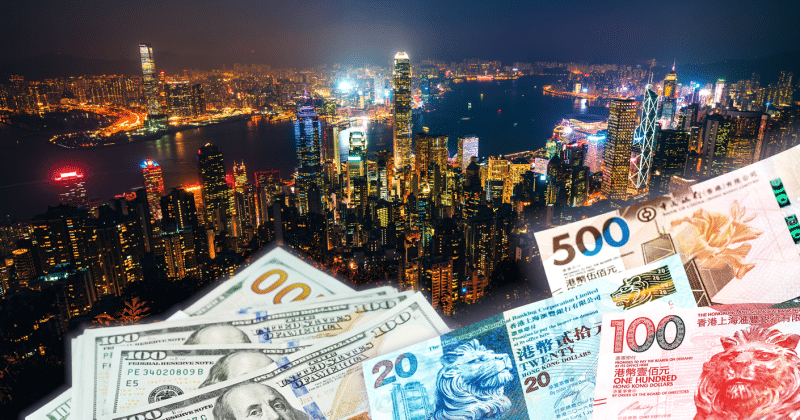
The Hong Kong dollar is nearing the weak end of its peg against the US dollar as market volatility decreases and borrowing costs plummet. This development raises concerns about the implications for the city's economy and its currency stability.
Hong Kong Dollar Approaches Weak End of Peg
The Hong Kong dollar is edging closer to the weak end of its peg against the US dollar, a situation that has raised eyebrows among economists and market analysts. As volatility in the financial markets declines and borrowing costs plummet, the implications for the city's economy and currency stability are becoming increasingly significant.
Understanding the Peg System
Hong Kong operates under a currency peg system that ties the Hong Kong dollar (HKD) to the US dollar (USD) at a fixed rate of approximately 7.8 HKD to 1 USD. This system has been in place since 1983 and is designed to provide stability to the currency and the economy. However, the peg also means that the HKD can only fluctuate within a narrow band of 7.75 to 7.85 against the USD.
Current Market Conditions
Recent market conditions have seen the HKD trading at around 7.85, the weak end of its peg. This situation has arisen as global financial markets have experienced a decline in volatility, leading to lower borrowing costs. The Hong Kong Monetary Authority (HKMA) has intervened in the currency markets to maintain the peg, but the pressure on the HKD continues to mount.
Factors Contributing to the Weakening Peg
Several factors have contributed to the HKD's current position. Firstly, the interest rate differential between Hong Kong and the United States has widened, making it less attractive for investors to hold HKD-denominated assets. Additionally, the ongoing geopolitical tensions in the region, coupled with concerns over the economic outlook, have led to a flight to safety, with investors favoring the USD over the HKD.
Implications for the Hong Kong Economy
The weakening of the HKD could have significant implications for the Hong Kong economy. A weaker currency can lead to higher import costs, which may contribute to inflationary pressures. This is particularly concerning for a city that relies heavily on imports for its goods and services. Moreover, a depreciating currency could deter foreign investment, as investors may perceive increased risks associated with holding HKD assets.
Reactions from Economists and Analysts
Economists and market analysts are closely monitoring the situation, with many expressing concerns about the potential for a currency crisis if the HKD continues to weaken. Some experts argue that the HKMA may need to consider adjusting its monetary policy to address the challenges posed by the current economic environment. Others suggest that the government should take proactive measures to boost investor confidence and stabilize the currency.
Future Outlook
Looking ahead, the future of the HKD remains uncertain. While the peg has provided stability for decades, the current economic landscape presents challenges that could test its resilience. As global economic conditions evolve, the HKMA will need to navigate these complexities carefully to ensure the stability of the HKD and the broader Hong Kong economy.
Conclusion
As the Hong Kong dollar nears the weak end of its peg against the US dollar, the implications for the city's economy and financial stability are becoming increasingly pronounced. With market volatility declining and borrowing costs falling, the situation warrants close attention from policymakers and investors alike.