Hong Kong Court Upholds Convictions of Cardinal Joseph Zen and Others Over Protester Relief Fund
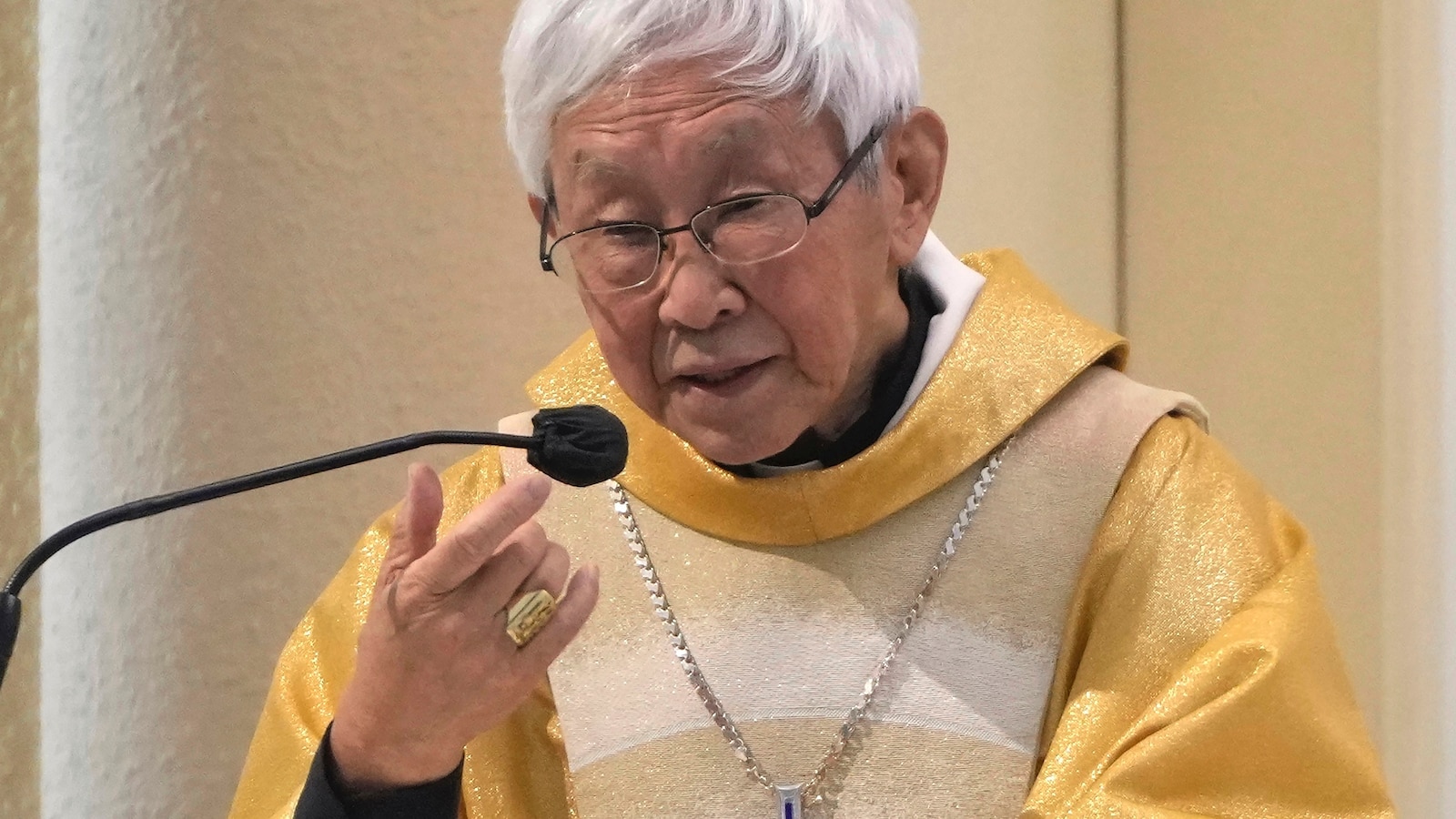
A Hong Kong court has upheld the convictions of Cardinal Joseph Zen and several others for their involvement in a fund supporting protesters. The ruling has sparked widespread criticism and concerns over the erosion of judicial independence in the region.
Background on the Case
In a significant ruling that has drawn international attention, a Hong Kong court has upheld the convictions of Cardinal Joseph Zen, a prominent Catholic leader, and three other activists for their roles in a fund established to aid protesters during the 2019 anti-government demonstrations. The court's decision, delivered on October 25, 2023, has raised alarms regarding the state of freedom of expression and judicial independence in the city.
Details of the Conviction
The four individuals were convicted earlier this year for failing to register the Hong Kong Alliance, the organization behind the fund, as a charity. The fund, which reportedly collected over HK$1.5 million (approximately US$192,000), was intended to provide legal and medical assistance to individuals who participated in the protests against the Hong Kong government and its perceived encroachment on civil liberties.
Judicial Rationale and Reactions
During the ruling, the presiding judge emphasized that the defendants had knowingly violated the law by not registering the fund, which was deemed necessary for transparency and accountability. However, critics argue that the case is emblematic of a broader crackdown on dissent in Hong Kong, particularly since the implementation of the National Security Law in 2020.
Cardinal Zen, who has been a vocal advocate for democracy and human rights in Hong Kong, expressed disappointment with the court's decision, stating that it undermines the fundamental freedoms guaranteed under the city's mini-constitution, the Basic Law. His supporters have rallied around him, asserting that the ruling is politically motivated and serves to silence dissenting voices.
International Response
The ruling has elicited strong reactions from international human rights organizations and foreign governments. The United States State Department condemned the court's decision, calling it a direct attack on freedom of speech and assembly. Similarly, the European Union has urged Hong Kong authorities to respect the rights of individuals and to uphold the rule of law.
Human Rights Watch and Amnesty International have also criticized the verdict, describing it as part of a systematic effort to stifle political opposition and curtail civil liberties in Hong Kong. The organizations have called for the immediate release of all political prisoners and for the Hong Kong government to cease its crackdown on dissent.
Implications for Civil Society in Hong Kong
The upholding of the convictions against Zen and his co-defendants poses significant implications for civil society in Hong Kong. Many activists fear that this ruling could deter individuals from participating in future protests or engaging in political activism, given the potential legal repercussions.
Moreover, the case highlights the increasing challenges faced by non-governmental organizations and charitable entities operating in Hong Kong. The requirement for registration and oversight may serve to limit the ability of these organizations to function freely, particularly those that support marginalized communities or advocate for political change.
Conclusion
As Hong Kong continues to grapple with the aftermath of the 2019 protests and the subsequent tightening of political control, the ruling against Cardinal Zen and others serves as a stark reminder of the precarious state of freedoms in the region. The international community watches closely, as the implications of this case may resonate far beyond the courtroom, influencing the future of civil liberties and human rights in Hong Kong.