Hong Kong Court Upholds Convictions of Cardinal Joseph Zen and Others Over Protester Relief Fund
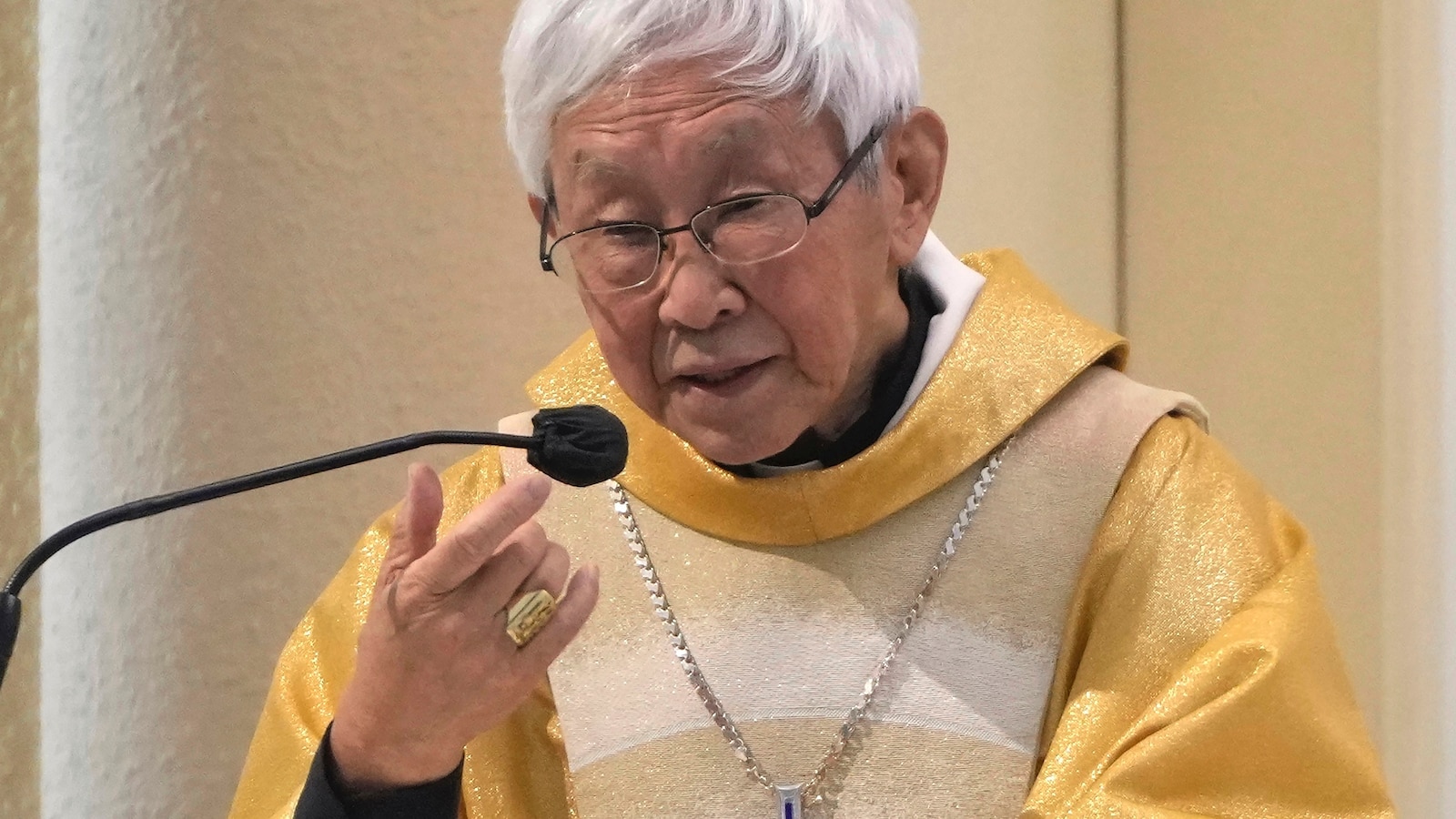
A Hong Kong court has upheld the convictions of Cardinal Joseph Zen and several others for their involvement in a fund supporting pro-democracy protesters. The decision highlights ongoing tensions in the region regarding freedom of expression and political dissent.
Hong Kong Court Upholds Convictions of Cardinal Joseph Zen and Others
A Hong Kong court has upheld the convictions of Cardinal Joseph Zen, a prominent Catholic leader, along with three other activists for their roles in a fund that provided legal and financial assistance to pro-democracy protesters. The ruling, issued on [insert date], has drawn international condemnation and raised further concerns about the erosion of civil liberties in the city.
Background of the Case
The case stems from the establishment of the 612 Humanitarian Relief Fund, which was set up in 2019 to assist individuals arrested during the mass protests against the government. Cardinal Zen, who has been a vocal advocate for democracy and human rights in Hong Kong, was convicted along with former legislator Margaret Ng, activist Hui Po-keung, and lawyer Cyd Ho. They were found guilty of failing to register the fund as a society, which the authorities deemed a violation of local laws.
Legal Proceedings and Court Ruling
The court's decision to uphold the convictions has been met with widespread criticism from human rights organizations and religious leaders worldwide. Supporters argue that the charges against Zen and his co-defendants are politically motivated, aimed at silencing dissent and curtailing freedom of expression in Hong Kong. The ruling comes amid a broader crackdown on pro-democracy voices in the city following the implementation of the National Security Law in 2020.
International Reaction
The international community has reacted strongly to the court's ruling. The Vatican expressed concern over the implications for religious freedom and the treatment of Cardinal Zen, who has been a prominent figure in advocating for the rights of the marginalized in Hong Kong. Human Rights Watch and Amnesty International have also condemned the ruling, calling it part of a systematic effort to undermine civil society in the region.
Implications for Hong Kong's Future
The upholding of these convictions signals a troubling trend for civil liberties in Hong Kong. Critics argue that the judicial system is being used as a tool for political repression, and that the space for dissent is rapidly shrinking. As the city grapples with its identity in the wake of increasing control from Beijing, the fate of activists like Cardinal Zen raises critical questions about the future of democracy and human rights in Hong Kong.
Cardinal Zen's Legacy
Cardinal Zen, who served as the Bishop of Hong Kong from 2002 to 2009, has long been a champion for the rights of the people in Hong Kong and mainland China. His outspoken stance on issues such as religious freedom, political reform, and social justice has earned him both admiration and criticism. Despite the legal challenges he faces, Zen remains committed to advocating for a free and open society.
Conclusion
The court's decision to uphold the convictions of Cardinal Zen and his colleagues is a stark reminder of the ongoing struggles for democracy and human rights in Hong Kong. As the city continues to navigate its complex relationship with mainland China, the voices of dissent are increasingly being silenced. The international community's response will be crucial in determining the future of civil liberties in this once-vibrant city.