Hong Kong Court Sentences Former Banker to Prison for $1.6 Billion Fraud Scheme
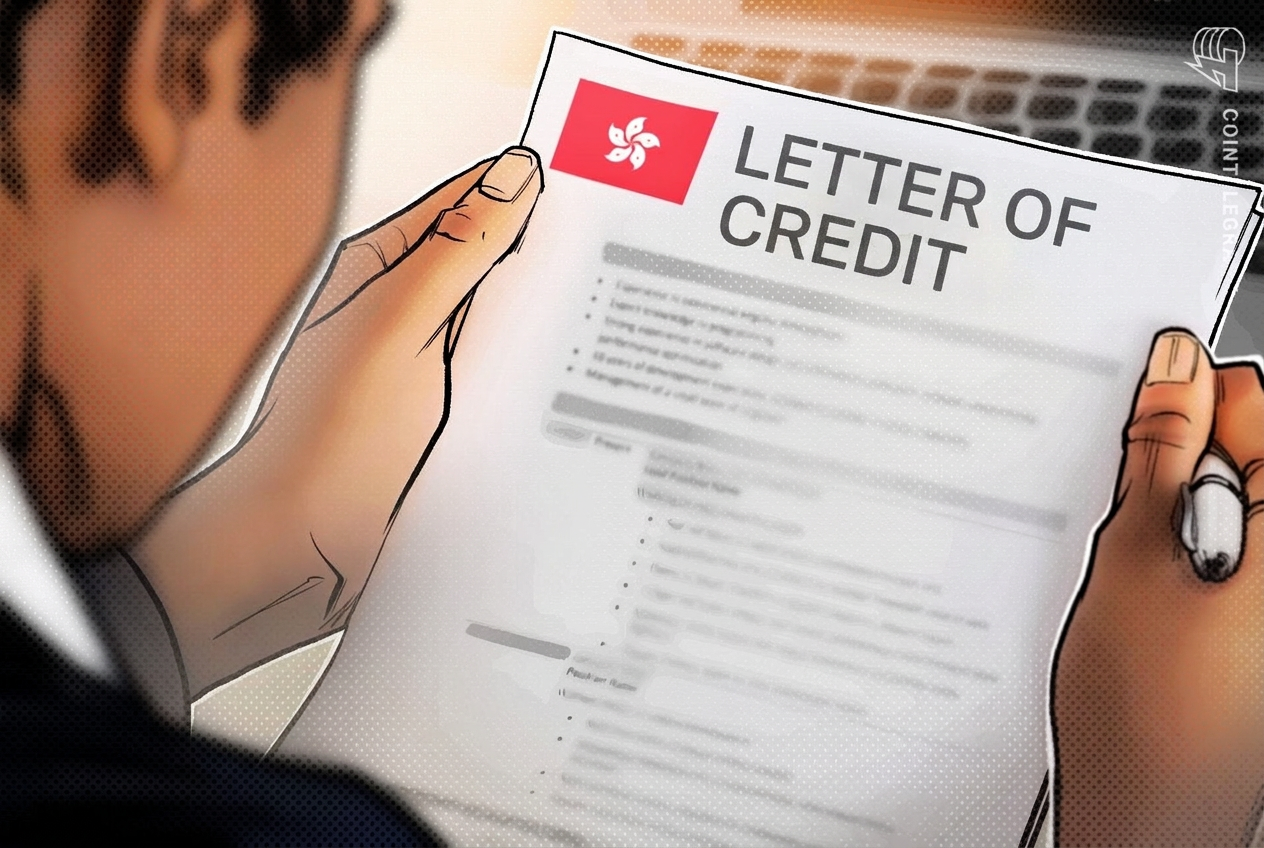
A former banker in Hong Kong has been sentenced to prison for orchestrating a massive fraud scheme involving false credit and cryptocurrency bribes. The case highlights ongoing concerns about financial misconduct in the region's banking sector.
Introduction
In a significant ruling that underscores the ongoing battle against financial crime in Hong Kong, a former banker has been sentenced to prison for his role in a fraudulent scheme that defrauded investors of approximately $1.6 billion. The case, which has drawn considerable attention, highlights the vulnerabilities within the financial system and raises questions about regulatory oversight.
The Case Against the Banker
The banker, whose name has not been disclosed due to legal restrictions, was found guilty of multiple charges, including conspiracy to defraud and money laundering. The court heard how he and his accomplices created false credit reports to secure loans from various financial institutions, which were then funneled into a series of high-risk cryptocurrency investments. These investments ultimately collapsed, leaving investors with substantial losses.
Details of the Fraudulent Scheme
According to court documents, the scheme involved a complex web of transactions designed to obscure the true nature of the investments. The banker and his associates allegedly used fake identities and shell companies to create the illusion of legitimate business operations. This allowed them to secure loans that were far beyond the actual creditworthiness of the entities involved.
The fraudulent activities came to light when several investors began to question the legitimacy of their investments. An investigation by the Hong Kong Monetary Authority (HKMA) and the police uncovered the scale of the fraud, leading to the arrest of the banker and several other individuals.
Legal Proceedings and Sentencing
During the trial, prosecutors presented a wealth of evidence, including emails, financial records, and testimonies from victims. The defense argued that the banker was merely following orders from higher-ups and that he had been misled about the viability of the investments. However, the jury found him guilty on all counts.
In a sentencing hearing, the judge emphasized the seriousness of the offenses, noting that the fraud had a devastating impact on many individuals and families. The banker was sentenced to a lengthy prison term, with the judge stating that such actions undermine public trust in the financial system.
Impact on Hong Kong’s Financial Sector
This case has raised alarms within Hong Kong's financial sector, prompting calls for stricter regulations and oversight. Financial experts have pointed out that while the region is known for its robust banking system, incidents like this reveal significant gaps in regulatory enforcement.
In response to the case, the HKMA has announced plans to review existing regulations governing lending practices and the use of cryptocurrencies in financial transactions. The authority aims to enhance transparency and protect investors from similar fraudulent schemes in the future.
Public Reaction
The public reaction to the sentencing has been mixed. While many citizens have expressed relief that justice has been served, others remain skeptical about the effectiveness of current regulations. Some have called for more stringent measures to prevent financial misconduct and protect investors.
As Hong Kong continues to position itself as a global financial hub, the need for a transparent and trustworthy banking environment has never been more critical. Stakeholders are urging the government to take decisive action to restore confidence in the financial system.
Conclusion
The sentencing of the former banker serves as a stark reminder of the potential for fraud within the financial sector. As Hong Kong grapples with the implications of this case, it is clear that ongoing vigilance and regulatory reform will be essential to safeguarding the integrity of its banking system.