Hong Kong Border Agents Empowered to Demand Device Passwords from Travelers
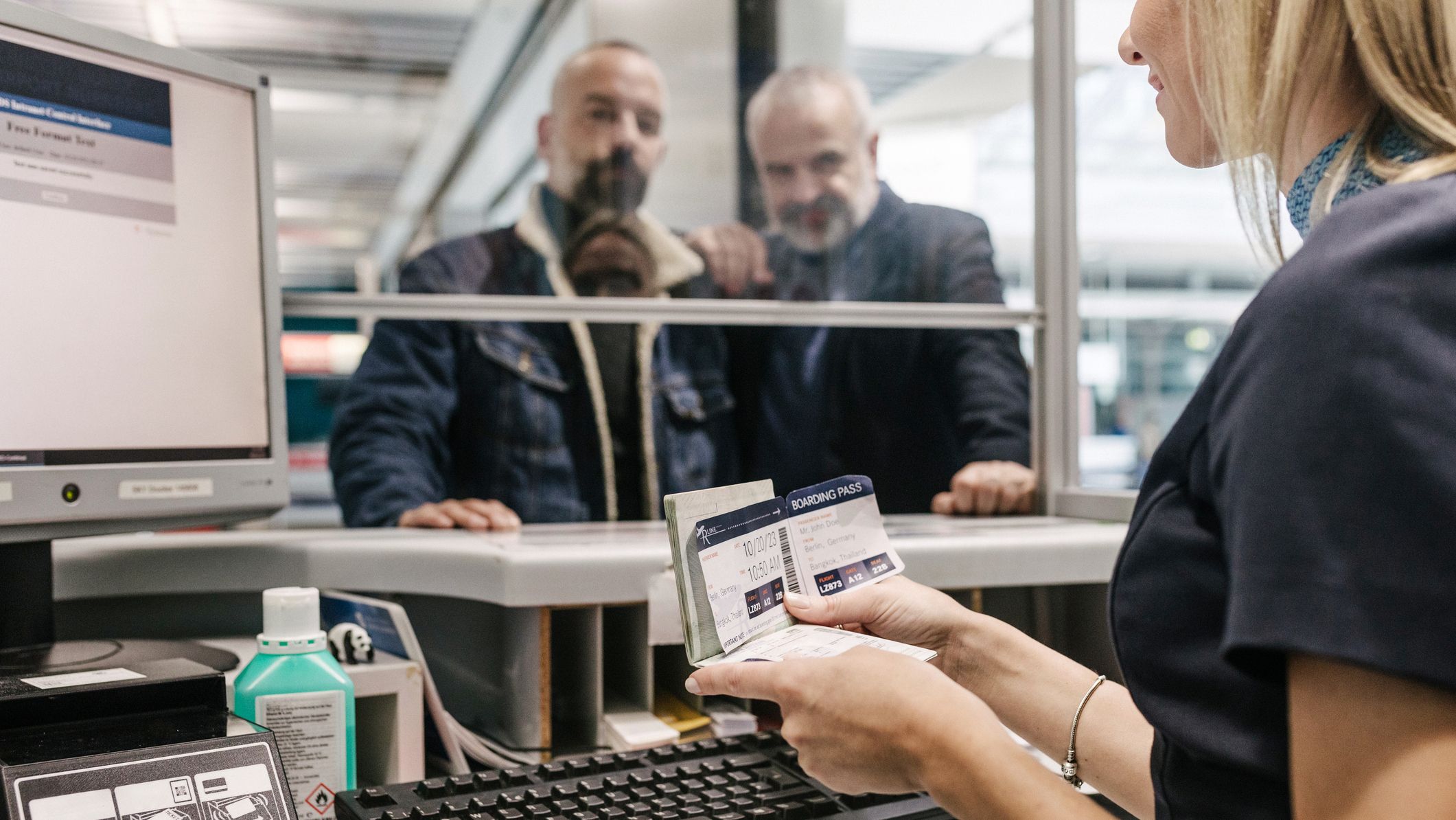
Hong Kong's border control policies have become increasingly invasive, allowing agents to demand passwords from travelers, including US citizens. This development raises concerns about privacy and civil liberties amid stringent security measures.
Invasive Border Controls Raise Privacy Concerns
In a significant escalation of border security measures, Hong Kong authorities have granted border agents and police the authority to demand passwords for electronic devices from travelers, including US citizens. This move is part of a broader trend of increasing invasiveness in border controls worldwide, prompting serious discussions about privacy rights and civil liberties.
Legal Framework and Enforcement
The legal framework supporting this policy allows border agents to request access to personal devices without a warrant, under the threat of imprisonment for non-compliance. This means that travelers entering or exiting Hong Kong could be compelled to unlock their smartphones, laptops, and other electronic devices, potentially exposing personal data, communications, and sensitive information.
Global Context of Border Security
This development in Hong Kong aligns with a global trend where countries are tightening border security measures in response to perceived threats. Many nations have adopted similar policies, citing national security and public safety as justifications. However, critics argue that such measures infringe on individual privacy rights and can lead to abuses of power.
Implications for Travelers
For travelers, this policy raises significant concerns. The requirement to disclose passwords could deter individuals from visiting Hong Kong, particularly those who prioritize privacy and data security. Moreover, the risk of having personal information exposed during border checks could lead to anxiety among travelers, especially those who carry sensitive work-related data or personal communications.
Reactions from Civil Liberties Groups
Civil liberties organizations have expressed alarm over the implications of this policy. Advocacy groups argue that demanding passwords constitutes an unreasonable search and seizure, violating fundamental rights to privacy. They are calling for greater transparency and accountability in the enforcement of border security measures, emphasizing the need for protections against potential abuses.
Travelers' Strategies for Protection
In light of these developments, travelers are advised to take proactive measures to protect their data. This includes using strong passwords, enabling two-factor authentication, and considering the use of temporary devices or travel-specific accounts that limit access to personal information. Additionally, travelers may want to familiarize themselves with their rights when crossing borders and be prepared to assert those rights if confronted with password demands.
The Future of Border Control Policies
As border security continues to evolve, the balance between national security and individual privacy will remain a contentious issue. Policymakers must navigate the complexities of ensuring safety while respecting the rights of individuals. The recent changes in Hong Kong serve as a reminder of the ongoing debates surrounding surveillance, privacy, and the extent of government authority in the digital age.
Conclusion
The new powers granted to Hong Kong border agents to demand device passwords from travelers signal a shift towards more invasive border control practices. As global security concerns rise, the implications for privacy and civil liberties will likely remain a critical topic of discussion among travelers, advocacy groups, and policymakers alike.