Hong Kong Aims to Establish Itself as a Leading Gold-Trading Hub
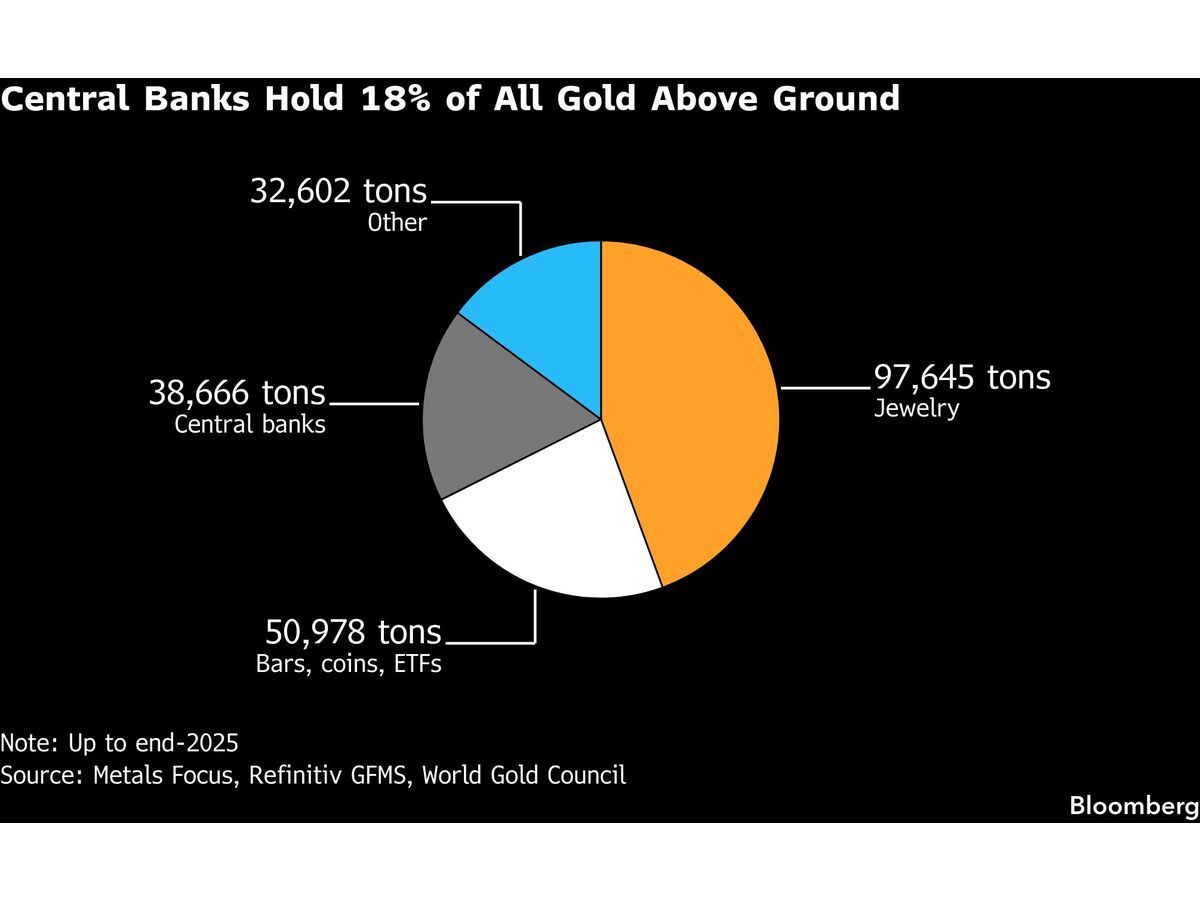
Hong Kong is actively courting central banks and financial institutions to position itself as a premier gold-trading hub. This strategic initiative is part of the city's broader efforts to enhance its status in the global financial landscape.
Introduction
In a bid to solidify its position as a global financial powerhouse, Hong Kong is making significant strides to attract central banks and financial institutions to its gold trading market. This initiative is not only a testament to the city’s robust financial infrastructure but also reflects its ambition to become a leading hub for gold trading in Asia and beyond.
Strategic Moves to Attract Central Banks
Hong Kong has recently initiated a series of measures aimed at enticing central banks from around the world to engage in gold trading within its borders. The Hong Kong Monetary Authority (HKMA) is at the forefront of this campaign, promoting the city’s advantages, including its strategic location, advanced financial services, and a regulatory framework that supports gold trading.
Officials have emphasized that as global economic uncertainties persist, gold continues to be a preferred asset for central banks seeking to diversify their reserves. By positioning itself as a reliable and efficient trading hub, Hong Kong aims to capture a significant share of this lucrative market.
Infrastructure and Regulatory Framework
One of the key factors in Hong Kong's strategy is its well-established financial infrastructure. The city boasts a highly developed banking system, a strong legal framework, and a transparent regulatory environment, making it an attractive destination for gold trading. The HKMA has also been working closely with local banks and trading firms to enhance their capabilities in gold trading and storage.
Furthermore, the city’s unique status as a Special Administrative Region of China allows it to maintain a separate legal and economic system under the “one country, two systems” principle. This has enabled Hong Kong to uphold its reputation as a free market economy, which is particularly appealing to foreign investors and central banks.
Global Competition
As Hong Kong seeks to establish itself as a gold-trading hub, it faces competition from other financial centers, particularly Singapore and London. Both cities have made significant investments in their gold trading capabilities and have established themselves as key players in the global gold market. To compete effectively, Hong Kong must not only attract central banks but also engage private investors and trading firms.
Industry experts believe that Hong Kong’s proximity to mainland China, which has a growing appetite for gold, could provide it with a competitive edge. The increasing wealth of Chinese consumers and the government’s push for gold as a strategic reserve asset present significant opportunities for Hong Kong to leverage its geographical advantage.
Market Potential and Future Prospects
The global gold market has shown resilience amid economic volatility, with prices often surging during times of uncertainty. As central banks around the world continue to accumulate gold as a hedge against inflation and currency fluctuations, the demand for gold trading services is expected to rise.
Hong Kong’s proactive approach to attracting central banks could potentially transform the city into a leading gold trading hub in the Asia-Pacific region. The HKMA’s efforts to create a conducive environment for gold trading, coupled with the city’s existing financial strengths, position it well to capitalize on this growing market.
Conclusion
In conclusion, Hong Kong's ambition to become a premier gold-trading hub is a strategic move that reflects its broader goals of enhancing its global financial standing. By courting central banks and promoting its robust financial infrastructure, Hong Kong is setting the stage for a new era in gold trading, which could have significant implications for the city's economy and its role in the global financial landscape.