Hong Kong Aims to Become Global Gold-Trading Hub Amid Central Bank Interest
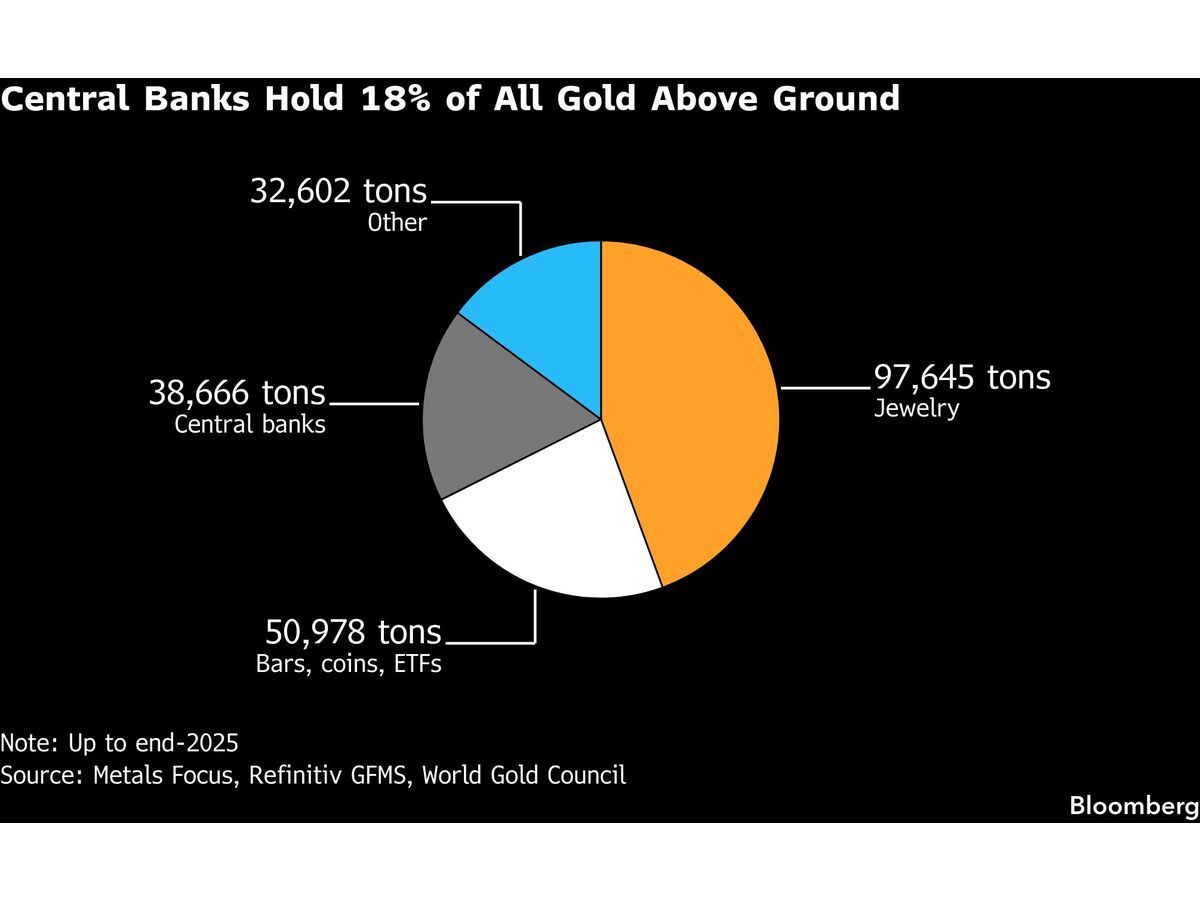
Hong Kong is intensifying efforts to position itself as a leading gold-trading hub, attracting central banks and investors alike. The city’s strategic initiatives aim to capitalize on the increasing demand for gold as a safe-haven asset in uncertain economic times.
Introduction
In a bold move to enhance its status in the global financial landscape, Hong Kong is actively courting central banks to establish itself as a premier gold-trading hub. This strategy comes at a time when global demand for gold is surging, driven by economic uncertainties and geopolitical tensions.
Strategic Initiatives
Hong Kong's government and financial institutions are implementing a series of initiatives aimed at attracting central banks and institutional investors to the region. These efforts include the development of a more robust regulatory framework, improved trading infrastructure, and enhanced market access for international players. By streamlining processes and offering competitive trading conditions, Hong Kong seeks to position itself as a go-to destination for gold trading.
Global Context
The global gold market has witnessed unprecedented interest from central banks in recent years. According to the World Gold Council, central banks collectively purchased 400 tons of gold in 2022, the highest annual total in over half a century. This trend is expected to continue as countries look to diversify their reserves and hedge against inflation. Hong Kong, with its established financial ecosystem and strategic location, is well-placed to capitalize on this growing demand.
Attracting Central Banks
Hong Kong's financial authorities are actively engaging with central banks from around the world, promoting the city's advantages as a gold trading hub. The Hong Kong Monetary Authority (HKMA) is leading efforts to showcase the city’s liquidity, transparency, and regulatory stability. By fostering relationships with key stakeholders, the HKMA aims to facilitate the entry of central banks into the Hong Kong gold market.
Infrastructure and Regulatory Framework
To support its ambitions, Hong Kong is investing in upgrading its trading infrastructure. This includes enhancing the existing gold trading platforms and ensuring that they meet international standards. Furthermore, the city is revising its regulatory framework to create a more favorable environment for gold trading. This includes simplifying tax structures and reducing barriers to entry for foreign investors.
Market Dynamics
As central banks increasingly turn to gold as a safe-haven asset, the dynamics of the market are shifting. Investors are looking for secure and reliable avenues to trade gold, and Hong Kong is positioning itself as a viable option. The city's vibrant financial sector, coupled with its reputation for stability, makes it an attractive choice for those looking to invest in gold.
Challenges Ahead
Despite the promising outlook, Hong Kong faces challenges in its quest to become a leading gold-trading hub. Competition from established markets such as London and New York remains fierce, and the city must differentiate itself to attract significant volumes of trade. Additionally, geopolitical tensions and regulatory changes in the region could impact investor confidence and market dynamics.
Conclusion
As Hong Kong embarks on this ambitious journey to become a global gold-trading hub, its success will depend on its ability to attract central banks and institutional investors. With a strategic focus on enhancing infrastructure, regulatory frameworks, and market access, Hong Kong is poised to play a significant role in the evolving landscape of gold trading. The coming years will be critical in determining whether the city can realize its ambitions and establish itself as a leader in this lucrative market.